Protecting Your Child’s Mouth While Playing Sports

In the Know for You to Know
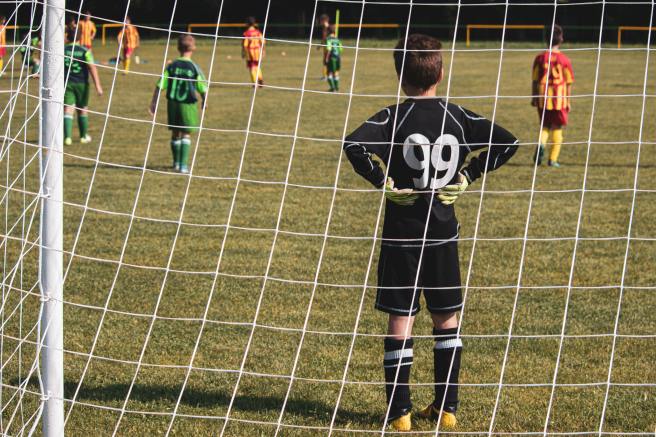
Did you know that you can protect your child’s mouth from sports injuries?

As parents we are all about protecting our children, especially when all it takes is 1 simple addition to their equipment.

Helmet–Check, Shin Guards–Check, Mouth Guard–Check

Mouth guards aren’t only for high contact sports like hockey and football. Mouth and tooth injuries can also happen during basketball, when they’re in the heat of the game, focusing on the ball and before you know it there is an elbow to the mouth.

Of course it’s an accident. Everyone wants to have fun. It’s those accidents that have an impact on the teeth, gums, and jaws.

Mouth guards can also help prevent or minimize concussions and head injuries by helping to cushion the chain reaction that can occur when an injury to the mouth travels upward.


Fit is KEY

Like all equipment the better the fit the more likely the children are to wear it, no matter their age. Off the shelf mouth guards are most often what parents reach for. They are boiled and molded at home. Soft guards are a better option than those hard, rigid plastic ones.

A properly fitted mouth guard will be comfortable, will not interfere with talking or breathing, and won’t make your child feel nauseous.

The BEST is only having to wear 1 mouth guard

All you need is 1. Usually it’s the guard for the top teeth that feels better, is easier to mold to their mouth, and that your child will wear.

Think of this as protective sports equipment

A mouth guard is a simple piece of protective sports equipment that can make a crucial difference. Nobody wants to miss half of their game to spend their Sunday afternoon in the Emergency Room. This simple piece of protective equipment makes this less likely to develop.

More tips? We have lots. We’re here just for kids!

How Will You Handle A Dental Trauma?

Playing Baseball After My Dad Gave Me My Mouthguard To Wear

In the Know for You to Know

The weather is starting to get nicer and your children want to be outside. They want to go to the park, the pool, run, play sports, skateboard… Fun is in the air.

Then you hear your child screaming or they come running to you pointing to their mouth. What do you do now?

This is why it’s important for you to have some basic knowledge about different types of dental trauma and what to do when your child injures their teeth.

Assess what has happened

It’s always important to know what has happened and the extent of your child’s injuries. If there is a serious injury, uncontrollable bleeding or loss of consciousness you need to call 911 and go to the emergency room.

Sometimes it doesn’t look so bad and you’re just not sure. Remember before you leave the place the injury happened, your Pediatric Dentist and your Pediatrician are a phone call away. If you’re not comfortable or you’re worried about a Concussion or Jaw Injury you can still go to the Emergency Room.

Remember – the teeth, lips, tongue and cheeks are connected to the jaw bones, the jaw bones are connected to the face bones, the face bones are connected to the eye bones, the eye bones are connected to the head bones, the head bones are connected to the body bones.

For some injuries you need to go to the Emergency Room

When it comes to certain injuries it does not make a difference if a Baby Tooth or an Adult Tooth is involved, and these are some of those times —

Baby Teeth For baby teeth the concern is the adult tooth that is growing underneath.

If the Baby tooth is:

  • Knocked out of the mouth and in your hand – Leave the Tooth Out
  • Not visible and not found
  • Pushed into the gums or moved forward, backward, sideways, looks shorter or longer
  • Fractured and you can’t find the broken piece

Adult Teeth For Adult Teeth the concern is being able to keep the nerve alive to save the tooth.

If the Adult tooth is:

  • Knocked out of the mouth – Time is Important! Find the tooth, once you do hold it by the root. If the tooth is dirty gently rinse it with cool water. If the tooth looks sound replace it into the socket in the same position as the teeth next to it, and hold in place with a couple of tissues folded or a clean cloth to bite on. If you can’t replace the tooth then put it in a cup of COLD Milk with enough to cover the tooth. No milk, have your child drool their Saliva into the cup and put the tooth in the cup with enough to cover it. Do NOT put the tooth in Water. The longer the tooth is out of the mouth the more it will take to save it.
  • Pushed into the gums, or moved forward, backward, sideways, loose, locked in place, looks longer or shorter
  • Don’t see the tooth or can’t find it
  • Broken off and you can’t find the broken piece

For some things you can go to the Dental Office – Do this Quickly

It’s important to go to the office or call as soon as teeth things happen. Taking quick action can help save a tooth, prevent infections, and help reduce the amount of extensive procedures.

For Baby Teeth and Adult Teeth

  • Chipped Tooth
  • The Nerve is showing when you see a thin red line or red dot where the tooth is broken

This is scary stuff, What do I do next?

Think of this as your Dental Trauma Cheat Sheet.

Take a picture of this post with your phone, put a copy on your refrigerator, keep this where you will find it fast because you never know when you will need to know what to do.

More tips? We have lots. We’re here just for kids!
What are Dental Sealants?

In the Know for You to Know

Today I am answering your questions about Sealants. So many of you have been writing in asking about Sealants so for you in honor of National Children’s Dental Health Month I am dedicating this post to your questions.

What are Sealants? Sealants protect the groovy chewing surfaces of back teeth where most cavities in children are found. Made of clear or tooth colored plastic-like material, they are applied to the teeth to help keep them cavity free.

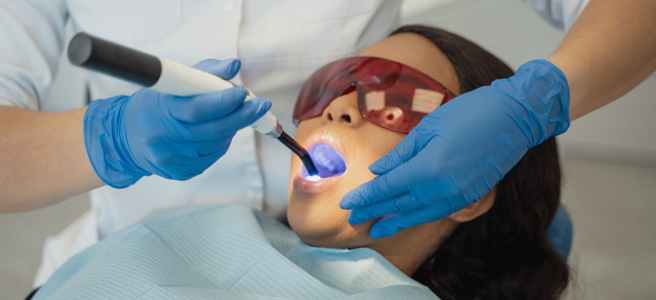
Are Sealants safe? Yes the are. The flowable material is safe and the light used to harden the sealant is a special wavelength that is completely safe. The light isn’t a laser or an x-ray.

How do sealants work? Even with flossing and brushing carefully, it can be difficult to keep the tiny grooves and pits on the molars clean. Food and bacteria build up in these crevices increasing the risk of cavities. Sealants “seal out” food and plaque, reducing the risk of cavities.

How do you apply sealants? The application of a sealant is quick and comfortable. It takes only one visit. First the tooth is cleaned, a conditioner is applied and then dried. The sealant is flowed onto the grooves of the tooth and hardened with a special light. Your child will be able to eat right after their appointment.

How long do sealants last? Sealants can last several years when cared for, and protect your child’s teeth through out the most cavity prone years. With good oral hygiene and avoiding biting on hard objects, sealants will last longer. Sealants are checked during routine dental visits.

Which teeth should be sealed? The natural flow of saliva usually keeps the smooth surfaces of teeth clean but does not wash out the tiny grooves and pits. So the teeth most at risk for cavities are those recommended for sealants and they are the permanent molars, the 6 year old and 12 year old molars. Many times the permanent premolars and baby molars will also benefit from sealant coverage. Any tooth surface with “nooks and crannies” can benefit from the protection of sealants. Sealants offer no benefit to smooth flat surfaces, so sealants are not applied to those areas.

If my child has sealants, is flossing, brushing and fluoride still important? They are definitely important! Sealants are one step in the plan to help keep your child cavity free.

Are sealants recommended for all children? No, just like your child is an individual so are their teeth. A lot goes into a conversation about whether to seal or not to seal teeth. It’s all based on the specific needs for your child.

More tips? We have lots. We’re her just for kids!

Answers to Your Questions about Tooth Whitening

In the Know for You to Know

Lots of parents have been writing in asking about tooth whitening. These Mom’s questions summed up what you’ve been asking —

Grace from Florida wrote in asking – I have 3 children, one in elementary school, one in middle school, one in high school, their teeth look fine to me, but what is the big deal about whitening? A big smile is a great way to meet people and make friends. Yet many school age children, tweens and teens are self-conscious about their smiles because of discolored or off-white teeth. This concern is growing because of the bigger and bigger emphasis on whitening teeth.

Alayah from Massachusetts wrote in asking – My youngest has teeth like me, I try not to smile a lot and now I see him backing off. What causes teeth to be discolored? A smile can have an enormous impact on self-esteem. Children who are self-conscious can seem reserved and appear not interested in making friends. You’ll see them hiding their mouths behind their hands or consciously keeping their mouth’s closed to avoid showing their teeth while talking.

There are lots of reasons why teeth have white spots or are discolored. Some causes are a hit to the tooth, an illness or taking certain medicines during tooth development. Poor oral hygiene especially during braces can lead to discoloration, white spots and cavities.

Madison from Nevada wrote in asking – My 15 and 17 year olds are always asking for those at home tooth bleaching sets, are they really safe? Teenagers especially will focus on an off-white smile. No one’s teeth are meant to be neon white. So when it’s time for pictures, prom, spring break, or going off to college it’s best to follow a bleaching program under the guidance of your Pediatric Dentist and not use the store bought home whitening kits.

Home tooth whitening kits have concentrations of active ingredients that are lower, so they’ll want to use more and more which will hurt their teeth and gums. This can cause prolonged sensitivity and damage the enamel. The whitening done in the office is higher strength and the applications are controlled. Even the take home kits from your Dentist are specific and supervised for your child’s individual use schedule.

Stay tuned, Coming up – Answers to your questions about an alternative to whitening and whitening toothpastes.

More tips? We have lots. We’re here just for kids!

7 of our Favorite Books to read before your Pediatric Dentist appointment

In the Know for You to Know

Our favorite books to read before your visit. By the way, parents and children LOVE them too!

Baby teeth are important and so are dental check-ups. These pearly whites help your child chew their food, speak, grow, and eventually guide their adult teeth into their correct positions.

20 Baby Teeth guiding all those Adult Teeth into position they must be super important

Keeping baby teeth healthy helps you keep your child healthy not just now but also for when they are the adults. Starting early, or as early as possible is the key to starting on this path.

So snuggle up, choose a good book (or two or three) and start on your dental journey.

The Tooth Book by Dr. Seuss A hilarious book about all things teeth.

The Berenstain Bears Visit the Dentist by Jan and Stan Berenstain Mama, Papa, Brother and Sister set out for their trip to the Dentist and learn about all the ways a Dentist helps keep teeth healthy.

Curious George Visits the Dentist by H.A. Rey Read about how George’s first visit to the Dentist is fun and a learning experience all in one.

Dentist Trip (Peppa Pig) by Scholastic George is going to the Dentist for his very first visit and Peppa is coming along to show him how much fun this will be.

Off We Go to the Dentist by Avril Webster Great book for helping children adjust to new experiences and potential sensory issues (bright lights, sounds, textures). Gently introduces what to expect at your visit for toddlers, children with special health care needs, and children for whom English is their second language.

Dora Goes to the Dentist by Randy Roper Dora describes her trip to the Dentist and involves the reader by asking you to look for things and do certain things (like opening your mouth wide). Just the right amount of detail.

Sesame Street Ready, Set, Brush! A pop-up book Elmo, Zoe, and their friends show how much fun dental visits and taking care of your teeth at home can be.

More tips? We have lots. We’re here just for kids!

Top 6 Tips to know about Your Pediatric Dentist for Your Family

In the Know for You to Know

Tip 5 How do Pediatric Dentist’s feel about Parents in the treatment room?

WE LOVE PARENTS!

We want you to feel totally comfortable whether you want to be in or out of the room. A little in, a little out, one foot in, one foot out, listening behind the wall, sitting on the chair. The choice is yours. Why? You know your child best

The Choice is Yours

Want to stay in the room? Here’s some tips:

Knowing you are there will automatically allow your child to feel comfortable. Standing slightly out of site and not letting facial expressions (above the mask) be seen decreases the possibility that a worried look will upset your child. Even the youngest children are very attuned to their parent’s facial cues.

Be a silent observer. This allows your Pediatric Dentist to build rapport and provide positive coaching for your child.

If your child needs reassurance you can sit on the chair and hold their hand or have your toddler sit on your lap.

If you decide not to come in your Pediatric Dentist will talk with you afterwards. It’s always our goal to keep you informed about your child’s oral health and development. Plus we want to tell you what an awesome helper they are!

Tip 6 Do Pediatric Dentists have recommendations about what to say about an upcoming appointment?

Yes we do because this is so helpful for setting the tone for your child’s visit.

It’s always best to keep it light and positive.

You may want to start talking about your upcoming appointment the day before or a few days before your visit. You may want to start your own tradition with a personal tooth brushing song, or read books and watch movies. Maybe you’ll start family brushing time to show your Pediatric Dentist what a great job you do.

FYI – stay tuned for my upcoming post on Top Books to read with your Child before visiting your Pediatric Dentist.

You and your Pediatric Dentist are on the same team and together will establish positive expectations and experiences for your child.

More tips? We have lots. We’re here just for kids!

Top 6 tips to know about Your Pediatric Dentist for Your Family

In the Know for You to Know

Tip 3 So what is a Pediatric Dentist’s specific style?

Great question! 

One of our primary approaches is Tell-Show-Do.  This is the way we introduce everything dental at each appointment.  

Now you’re asking, how do you do this?  You guessed it, we explain (tell) what we are going to do in appropriate words for your child’s age and level of understanding.  We introduce (show) your child to what we are going to do for them in a simplified manner with some demonstrations and naming some instruments with funny names (looking glass, tooth counter, mr. thirsty, straw, and there are more).  Then we begin (do) the appointment.  

There is also Positive Reinforcement, where we praise and reward children for behaviors that help them accomplish their dental care in a happy way.

Sometimes if necessary, we use Distraction.  This involves choosing words extra extra carefully while placing a child’s attention on conversation, movies, music, or video games; at the same time encouraging, engaging and supporting the child to have a positive experience.

Tip 4 What is the benefit of these concepts?

In a word, Empowerment.

Empowerment for the short term, as it is introducing what is new and unknown in a kind, respectful, fun, age appropriate way with the desire to create and build on positive experiences, allowing children to build trust and feel comfortable with the office and their Pediatric Dentist.  

Empowerment for the long term, because it is creating a life time of regular happy, stress free oral health care appointments.

Stay Tuned for Tip 5

More tips? We have lots. We’re here just for kids!

Top 6 tips to know about Your Pediatric Dentist for Your Family

In the Know for You to Know

Tip 1 You’re wondering, why take my child to a Pediatric Dentist?  Isn’t my Dentist okay and it’s one less trip?

Maybe it is or maybe it isn’t.

Did you know that Pediatric Dentists are the Pediatricians of Dentistry. As Pediatric Dentists we have two to three years of specialty training following dental school and limit our practice to treating children only. 

That’s right, from your child’s first tooth to College graduation. We’re there with you from their first tooth, for every new tooth, every tooth bump and every tumble.

We are both primary and specialty oral health care providers for ALL infants and children through adolescence and young adulthood.

For children, adolescents, young adults, and adults with special health needs we are your go to Dentist. Our goal for you is to receive care while also providing insights for what you are experiencing, will experience over the coming months, make suggestions and plans for your home routine while enhancing dental care.

Our Commitment to Your Family

We do what we do for your child because we CARE

Tip 2 Now you’re asking yourself, if we go, what is a Pediatric Dentist’s approach for children?

I’m glad you asked.  We strive every day and in every way to exceed your expectations because you are entrusting us with the care of your child.  

We do this by providing the highest quality state of the art personalized oral health care for your child in a compassionate, family friendly, relaxing environment where your comfort is our top priority.

Everything is specifically for children.  Our offices are transformed into magical kid friendly places (adjusted for COVID).  We know the cutting edge techniques, have the latest and greatest materials, and the best stuff. 

We understand “child’s time,” and give every child all the time he or she needs to build a long lasting relationship on mutual trust, respect, and confidence.

You and your Pediatric Dentist are on the same team with the joint goal to set up positive expectations and experiences for your child no matter their age.

Stay tuned for Tip 3

More tips? We have lots. We’re here just for kids!