Keeping Teeth Healthy This Summer

In the Know for You to Know

It’s SUMMER!

Thank You Mommy and Daddy, I love my beautiful Smile

School’s out, Camp and Vacations are in. Long lazy days, family traditions, and fun times are here!

While you’re having fun you can also keep up your families good habits (or tweaking not so good ones) like your balanced diet and oral hygiene routine. This way those eagerly awaited treats taste extra special.

Keep a Routine

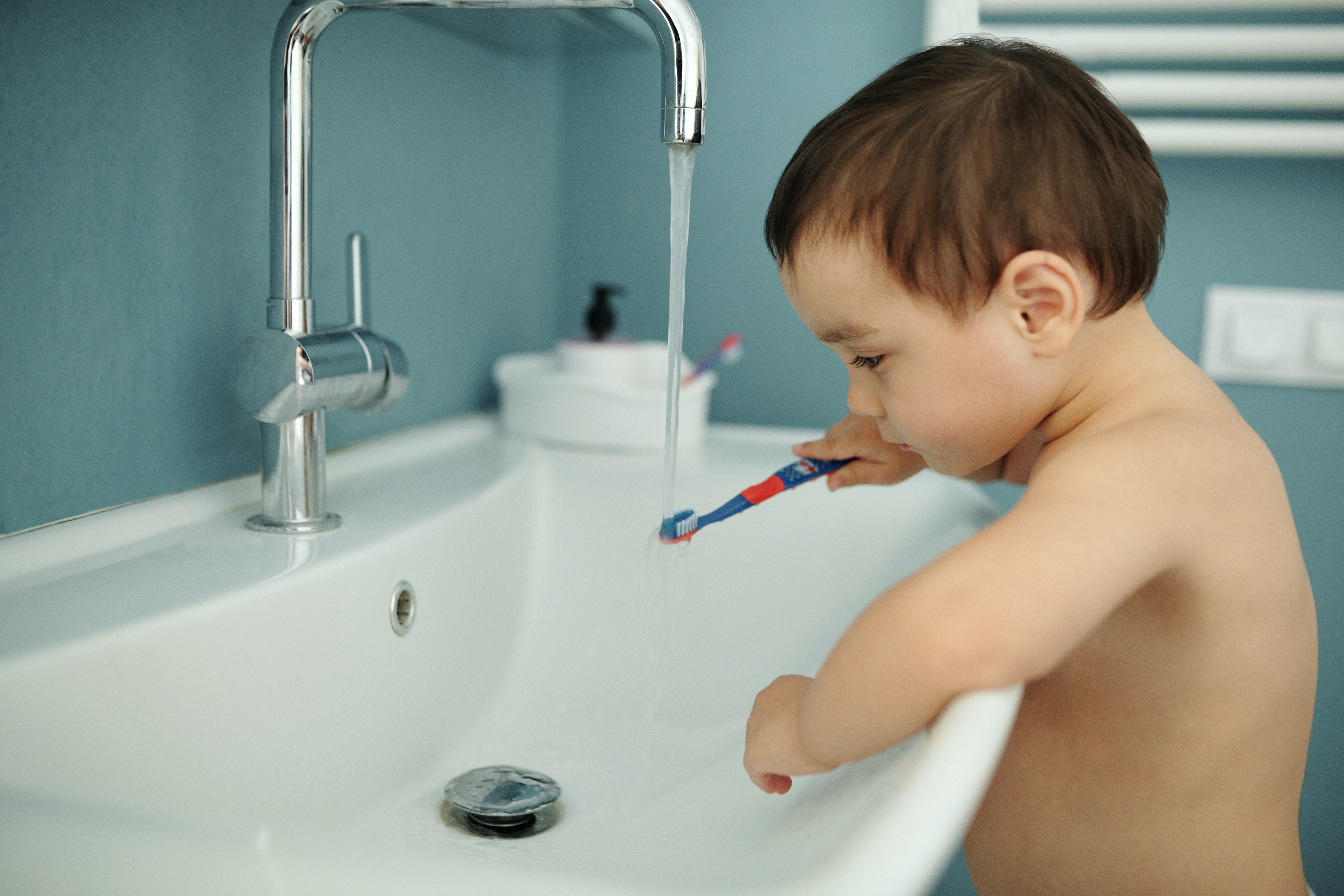
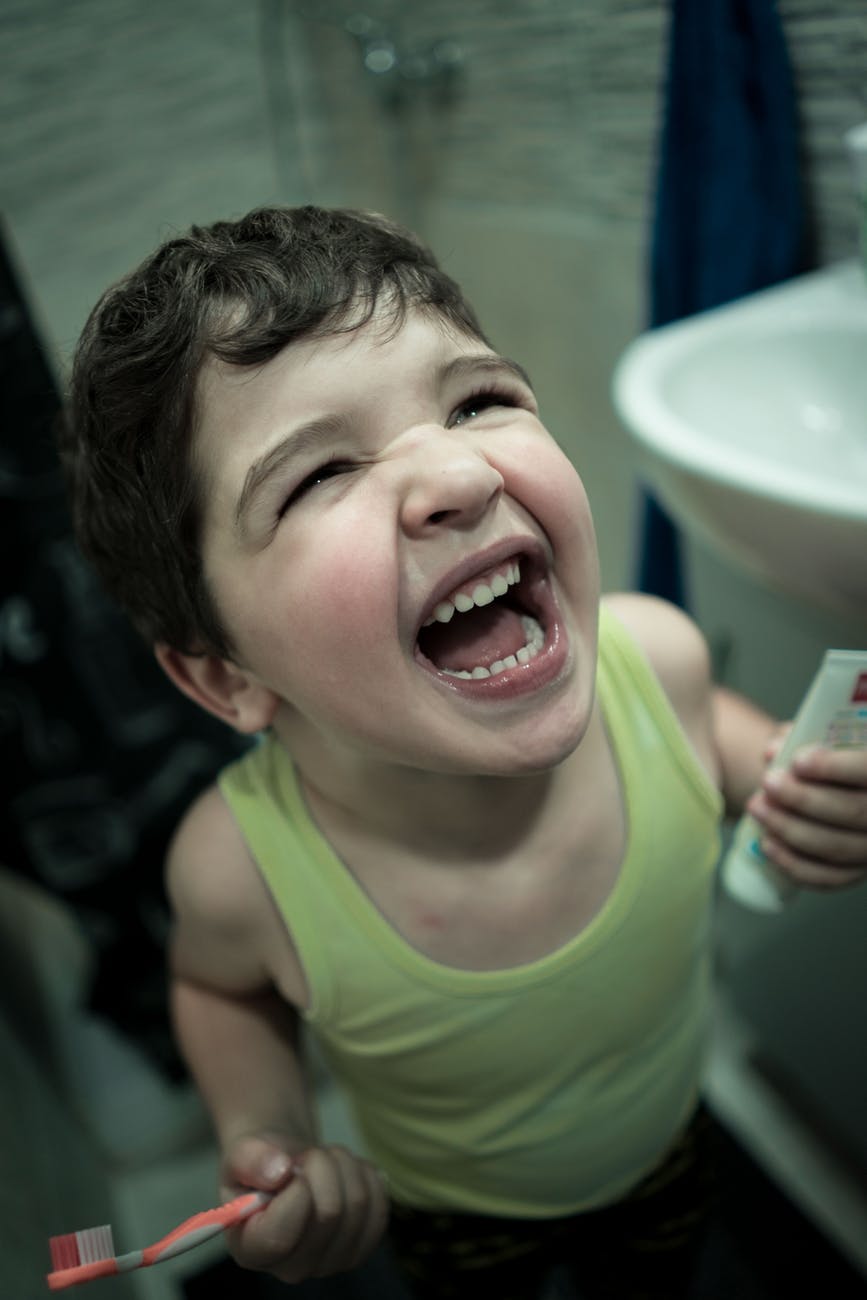
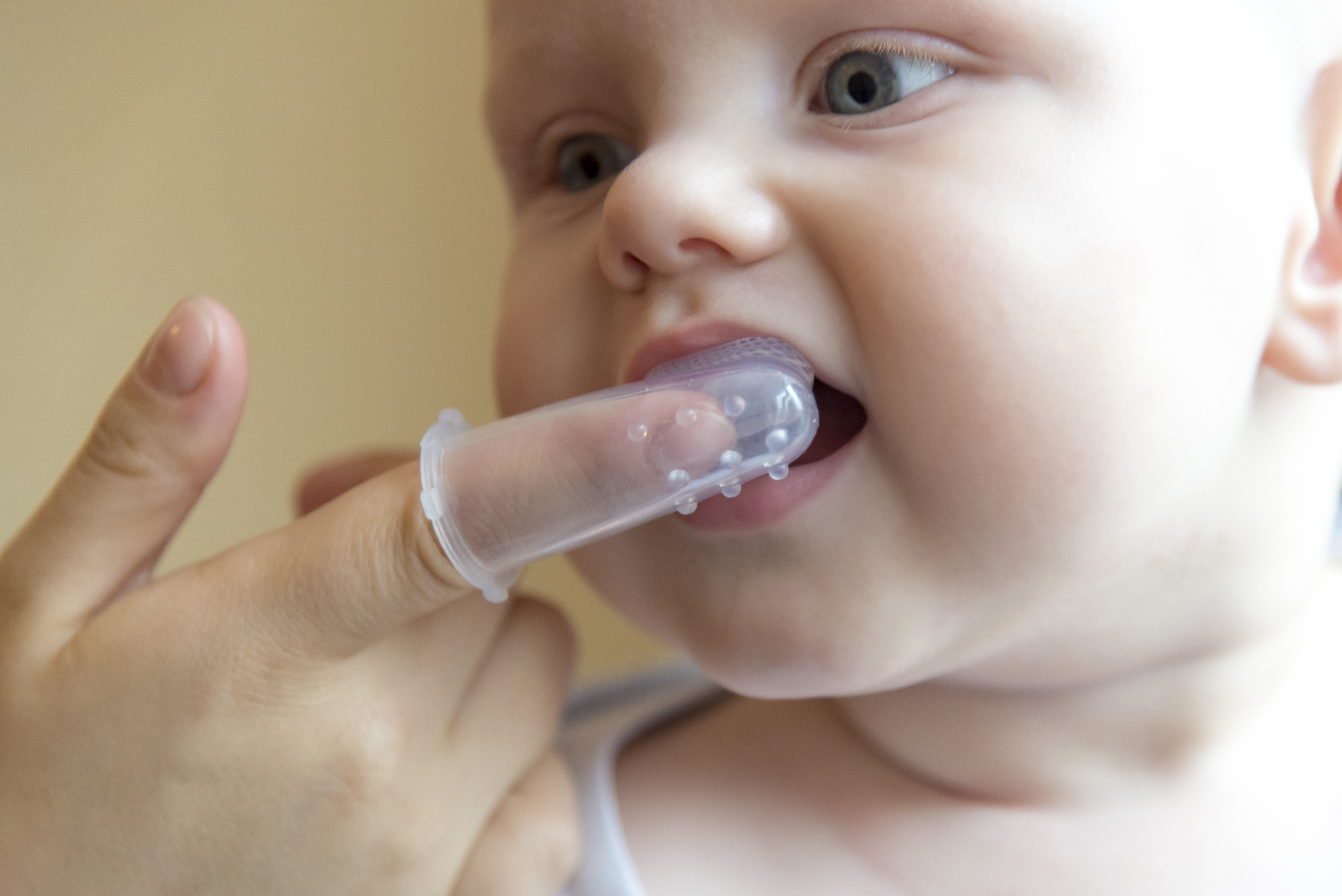
Start with putting together your summer dental kit – toothpaste, floss, tooth brush, finger brush, wash cloths.

While you’re doing your regular grocery shopping be on the look out for their fun flavor tooth paste or a tooth brush with their favorite character.

This way if schedule changes disrupt your habits you’re prepared and can start up where you left off.

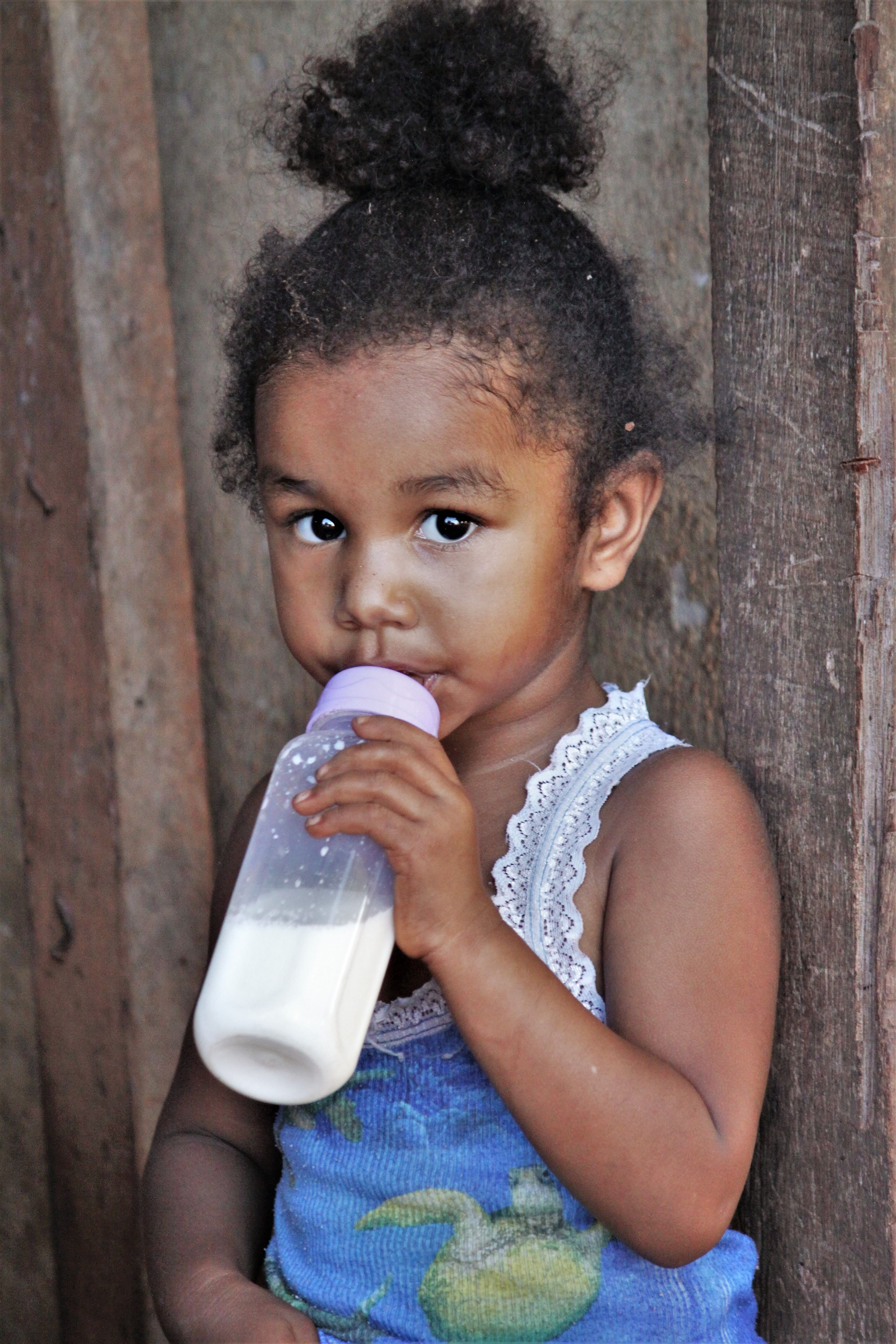
Also keep in mind that bottles and sippy cups may be good for comforting a tired child, however falling asleep with one in their mouth increases their risk of cavities.

My toothbrush is in my Daddy’s knapsack

Healthy Diet = Healthy Teeth = Happy Family

Those fun foods your child always looks forward to are a special part of summer. Adding them to their healthy diet of fresh fruits, fresh veggies, whole grains, plain milk and water, go a long way to helping you decrease their cavity risk. And they are an incentive for your child to eat the way you want them to (Added Bonus!).

Sticky, Gooey, Chewy

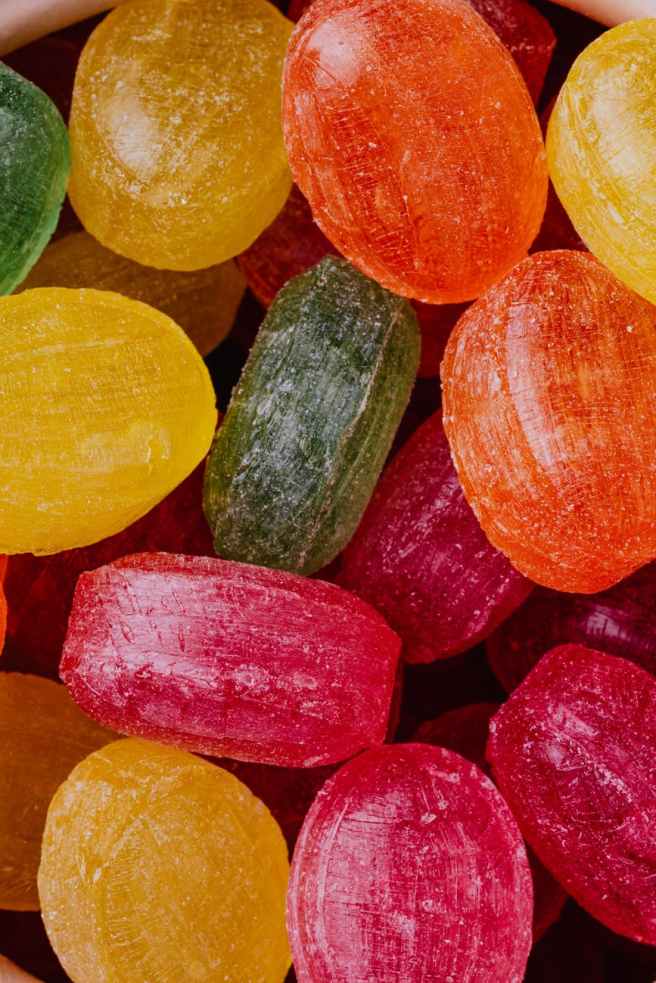
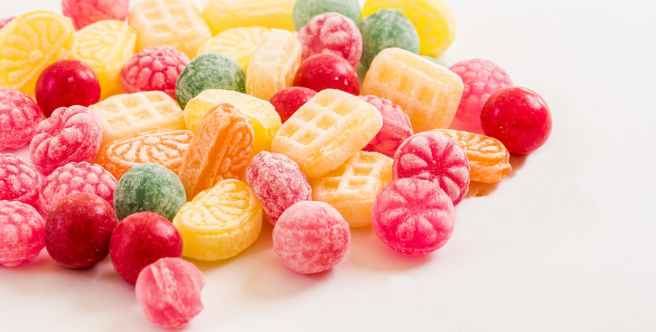
Gooey, sticky and chewy are fun to eat, not so much fun to brush away from teeth.

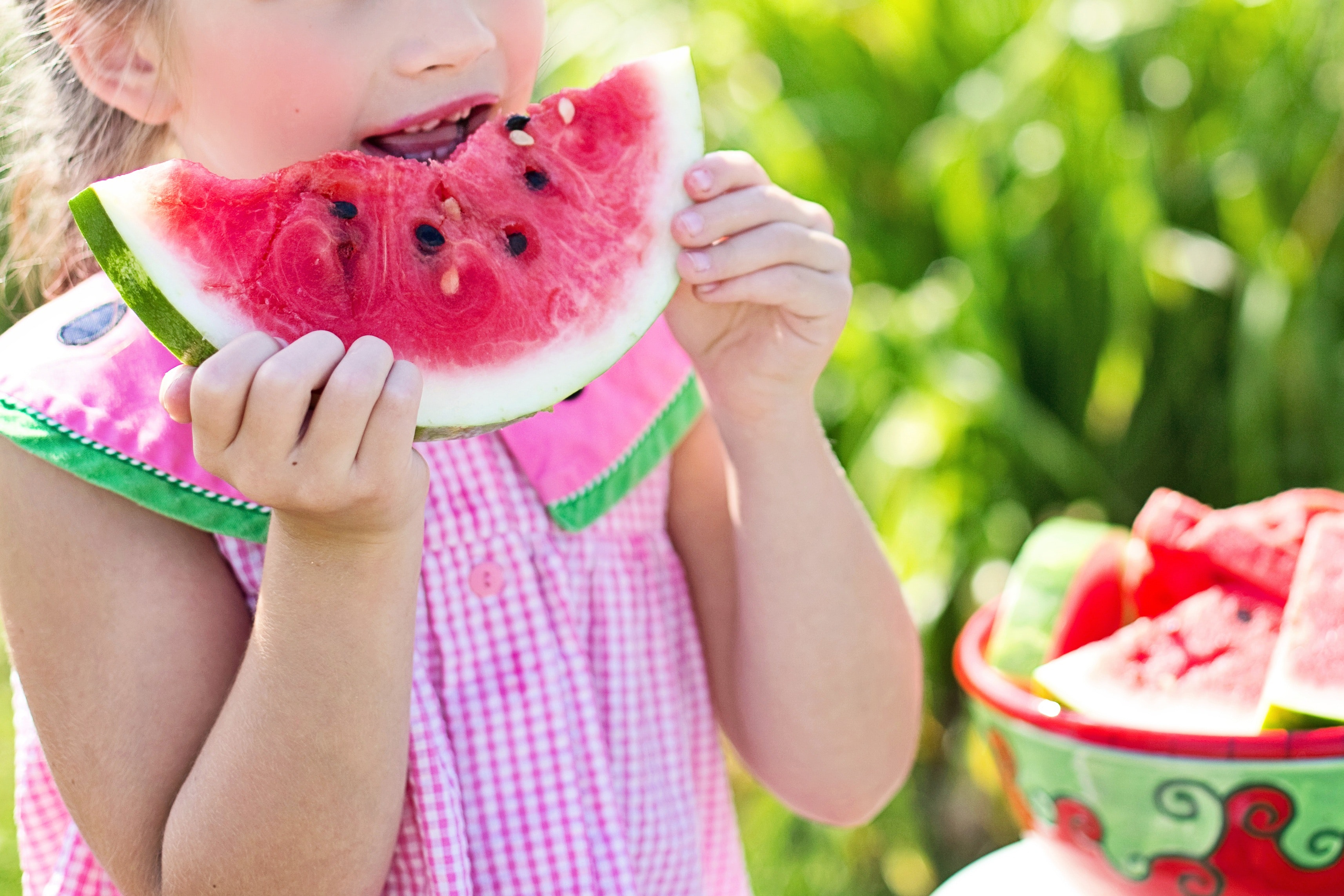
Yes it’s about those candy apples from the specialty shop you always seem to go to, and the taffy at the seashore which are talked about for days before you get there. Or it’s the ice cream cone with the crunchies on top from the ice cream man coming down the street playing his familiar and anticipated summer tune that your child looks forward to every day.

While these are amazingly delicious and we all love them, the stickier, gooey, chewier and crunchier foods tend to stick into the nooks and crannies of teeth and are really hard to brush out and away.

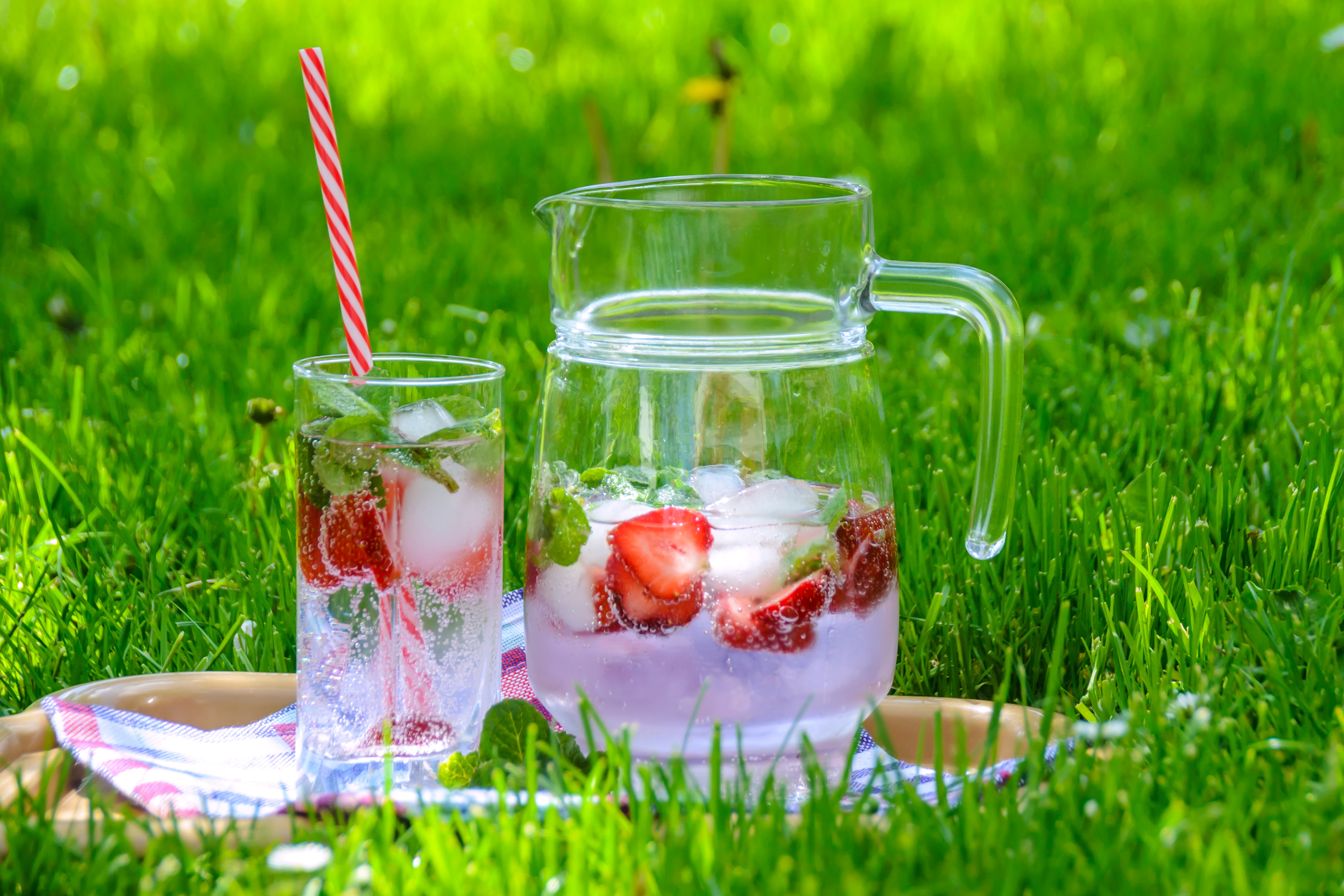
What to do? Let’s face it when your child is enjoying these treats it is not always at a time you can take out the floss and tooth brush. When you can it is definitely best to do so. If changing your fun food selection is not possible then drinking water will help dilute all that sugar and also help wash away the food on the surface. Perhaps your child is okay with trying something else (think new family tradition), then chocolate (with no mix ins) is a good option since it is smooth and will slide off their teeth.
What’s Most Important?

Keep a consistent daily routine that can be done in a fun way and which you can continue in the summer.

Do something fun to keep their attention while flossing and brushing —

Talk about the great stuff they did today and build anticipation for tomorrow.

Floss and brush together and have a brush-a-thon to your child’s favorite summer tunes.

Make a summer sticker chart and sticker the chart every morning after brushing (2 Minutes) and every night after flossing and brushing (2 Minutes).

Above all, don’t stress, have fun and make wonderful memories.

More tips? We have lots. We’re here just for kids!

4 Myths About Children’s Teeth

In The Know For You To Know

MYTH #1 Baby Teeth Are Not Important

Baby teeth are very important and for 4 reasons. First, they are needed for the growth of your Baby’s jaws, muscles and their face. Second, their teeth are also necessary for your Child to be able to chew their food, eat well and grow healthy and strong. Third, their teeth help them to speak — their tongue and cheeks engage the surfaces of their teeth to help them form the sounds they need to talk. Fourth, their Baby teeth provide the space for their permanent teeth to develop and to guide them into position.

Myth #2 Putting Baby To Bed With A Bottle is NOT A Problem

Putting your Baby to sleep for a nap or at night with a bottle or after breast feeding can cause a serious type of cavities. This is because the sugar in the formula, milk, fruit juice, and other sweetened liquids sit on their teeth and eats away at the enamel. The time for cavities to show up can be as soon as 1 year after their teeth come into their mouth. You’ll most probably see the cavities on their top front teeth first.

What to do? Clean your Baby’s whole mouth and teeth with a wet washcloth after each feeding everyday, from their first to their last feeding of the day. It’s best for you to sit down on the bed or on the sofa where you have room and can comfortably and safely hold your Baby and you can look into their mouth easily.

If they will not go to sleep without a bottle, put water in the bottle. Water not working? Then dilute the sugary liquid with 50% water and keep increasing the amount of water until there is 100% water in the bottle by the end of 1 week.

MYTH #3 Cavities Aren’t A Big Deal For Children

Cavities in children are more prevalent than Asthma. And by a lot, children are 8x’s more likely to have cavities than Asthma.

That’s a lot of children — 20% of preschoolers, 50% of 2nd graders, 75% of 15 year olds.

MYTH #4 Letting Your Child Brush Without Your Help

It takes time for children to develop their motor skills. How old do you think they’ll be when they can wash and dry their own hair from start to finish on their own?

When they can do their hair themselves that’s about the time they can floss and brush on their own also. So you will be doing this for them. Not only that, once they do start flossing and brushing by themselves in front of the bathroom mirror, they’ll do a much better job with you in the bathroom with them.

Brushing is 2 Minutes 2 Times A Day and Flossing is at night before brushing. So it’s brushing in the morning for 2 Minutes after breakfast before leaving for school looking in the mirror, and at night looking in the bathroom mirror to floss first then brush for 2 Minutes, then nothing to eat or drink and straight to bed.

Don’t fall into these common confusions about your Child’s oral health. Now you can take charge and have the power to stop these urban legends before they begin.

What is your power?

More tips? We have lots. We’re here just for kids!

Children’s Dental Health Month

In the Know for You to Know

Every February we celebrate a whole month dedicated to children’s oral health.

Healthy habits start early and grow as your child grows. Whether your child is 6 months old, 6 years old, or 16 years old, healthy teeth and gums are important for a healthy smile. With good care, a balanced diet, injury prevention, a home based daily hygiene routine, and dental visits their teeth can be healthy, strong, beautiful, and last a lifetime. 

Little girl playing Dentist with Mom
Photo by Kamaji Ogino on Pexels.com

This is why it’s so important to start early and continue on a regular schedule. By doing this you are establishing your child’s twice a day flossing and brushing routine. Your child gets used to doing this, they grow up knowing this is expected of them and it’s in their comfort zone. Which means it’s stress free for you!

Healthy Teeth = 365 Days of SMILES

Your child’s health, happiness and successes are most important to you. Teaching them cavities are preventable is the first step.

More tips? We have lots. We’re here just for kids!

5 Fast Facts for your Child’s Teeth

In the Know for You to Know

FACT 1 Baby teeth are important and for several BIG reasons. Baby teeth are also called primary teeth or milk teeth and help your child learn where to put their tongue and cheeks so that they can speak clearly, allow them to chew their food well, help in the growth of both their jaws, and guide the position of their adult teeth. That’s a lot of responsibility for 20 teeth!

FACT 2 Your child can get cavities from their bottle and from nursing. Please don’t put your child to bed with a bottle or nurse them while they are sleeping. The liquid in the bottle or breast milk causes cavities because it stays on their teeth. So the sugar in the milk, juice, breast milk in their nice warm mouth eats away at their teeth. That’s why we call them “Sugar Bugs”.

FACT 3 A dab ‘ll do ya with toothpaste. From your child’s first tooth until they are 2 years old a tiny smear is enough. For your 3 to 6 year old a pea sized amount of toothpaste is plenty. As your child gets older they don’t need more than the pea sized amount. Remember to directly supervise their brushing routine, get in there with them and sing that brushing song. Louder, I want to hear you! What are your favorite brushing tunes?

FACT 4 It’s best to let that wiggly teeth come out on its own. If your child wants to help it along, allow them to gently wiggle the tooth with their fingers or tongue until it comes out on its own. Do not pull or put anything else on the tooth to help it along which will be painful and cause their gums to bleed. If you see an adult tooth growing in and that baby tooth isn’t wiggly or is slightly wiggly call your Pediatric Dentist for their guidance. So tell me, what is your tooth fairy tradition?

FACT 5 Sealants really do work. Even with really good brushing and flossing sometimes it’s impossible to clean the tiny grooves and pits on some teeth. Food and bacteria build up in these crevices and before you know it there’s a cavity. Sealants “seal out” food and plaque reducing their tooth’s risk of decay. Are you joining the No Cavity Club?

Go ahead, send me an email at kidstoothhotline@protonmail.com and tell me your favorite brushing song, your tooth fairy tradition, and if you’re joining the no cavity club. I love to hear from you!

More tips? We have lots. We’re here just for kids!