Baby On The Way? Top Tips For Your Newborn’s Healthy Teeth

As an expectant mother, what can I do to help my child have healthy teeth?

What can I do to prevent my baby getting cavities from bottle feeding or breast feeding?

When do I start cleaning my baby’s teeth?

Any advice on teething?

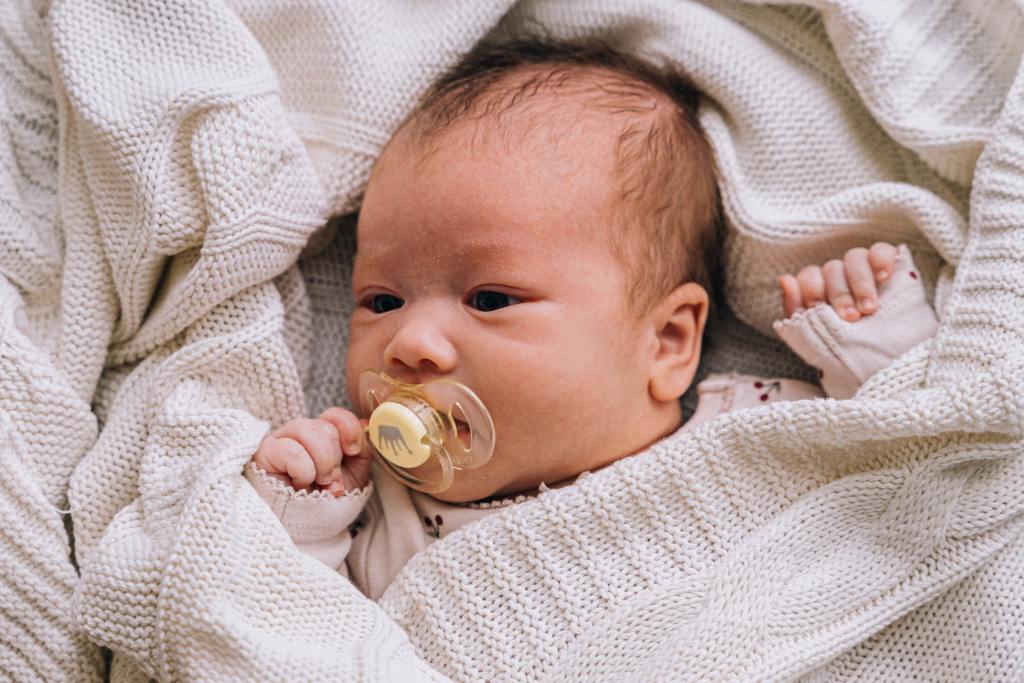
Should I worry if my baby sucks their thumb or uses a pacifier?

Baby On Board Taking Care Of Mom’s Teeth During Pregnancy

In the Know for You to Know

We're Having A Baby
We’re Having A Baby

Taking care of your mouth during your pregnancy is as important for you as it is for your baby. Yes, brushing, flossing, eating healthy foods, having regular dental checkups and dental care go a long way to help keeping you and your baby healthy.

Your body changes when you are pregnant and this includes your teeth and gums. Your gums can get sore, puffy and red, or they may grow over your teeth. So what do you do?

It’s important to know that dental care (aka oral health care) is safe during your pregnancy, and is important for your overall health and wellbeing as well as for your baby.

Oral Health and Medical Health Are Related

Any pain and reluctance to eat associated with untreated dental issues can compromise your nutritional intake.

We all know that the mouth is the entrance to the body, and when teeth and gums are not healthy this can affect other parts of the body and a baby’s growth.

Oral Health Changes During Pregnancy

During pregnancy the body undergoes a lot of changes, including fluctuating hormones. These changes make the gums more prone to dental issues like pregnancy gingivitis, periodontal disease and teeth more sensitive to cavities. Nausea and vomiting are a concern because the protective tooth enamel is vulnerable to being worn away.

Hormone levels during pregnancy affect the way the gums react to plaque, the sticky film that builds up on teeth.

Cavity risks can also rise during pregnancy. If you are eating more carbohydrates than usual, this offers extra fuel for the bacteria that cause cavities. Morning sickness can increase the level of acids in the mouth, causing damage to the shiny, protective enamel.

When Is A Good Time During Pregnancy To See The Dentist?

The American Dental Association, the American College of Obstetricians and Gynecologists, the American Academy of Pediatrics, and the American Academy of Pediatric Dentistry all encourage Mom’s to see their Dentist when they’re expecting.

It is safe and important to have dental care during pregnancy. What’s not advisable is to put this off until after the baby is born.

Remember to tell your Dentist you are expecting, any medications you may be taking, how far along you are and your expected due date.

Checkups and necessary treatment can be provided throughout pregnancy, even in the 1st trimester. The period between the 14th and 20th weeks are the best time to have treatment because it is most comfortable due to the baby’s position. Necessary treatment during this time can prevent problems from coming up in the 3rd trimester.

The time between pregnancies provides an opportunity to maintain good oral health, address any ongoing concerns, and elective treatment.

How To Protect Teeth During Pregnancy

Brush, Floss, Eat Healthy Foods

Now more than ever it’s important to brush twice a day (with a fluoride toothpaste) for two minutes each time, morning and before bed are recommended. Flossing once a day (best is at night before bedtime brushing) to clean away food between teeth. Rinse every night after brushing with an alcohol-free fluoride mouth rinse.

Replace your toothbrush every 3 to 4 months or when the bristles become ragged, and do not share toothbrushes.

You may find it a little more difficult to maintain a regular dental routine while you’re expecting, especially if you feel tired. You may have a more sensitive gag reflex, and if you vomit rinse your mouth with water.

Eat healthy foods and a balanced diet like fruits, vegetables, whole grains and dairy. At the grocery store, read food labels so you can choose foods lower in sugar. Stay hydrated by drinking fluoridated water especially between meals and snacks, instead of juice, fruit flavored drinks and soda.

Taking extra-good care of your teeth and mouth are good for both you and your baby.

You Can Do This

Continue to take care of your mouth and teeth after your baby is born. It’s easy to get off track, but remember to stay up to date with your oral health care visits, keep practicing good oral hygiene and eating healthy foods.

What were your experiences like at the Dentist when you were pregnant? Are you pregnant now and taking care of you dental health? or not? It’s okay, don’t be shy! We’d really like to know! Send us an email at kidstoothhotline@protonmail.com Like us on Facebook at www.facebook.com/kidstoothhotline

More tips? We have lots. We’re here just for kids!

1st Baby Teeth – What 2 Know

In the Know for You to Know

Mom, did you know that 3 months into your pregnancy your Baby’s teeth are already beginning to form?

And, that when you are giving birth all 20 of their Baby teeth are formed and their permanent teeth are beginning to grow?

NEWBORN’S TEETH

Immediately after your Baby is born as parents you can do something in anticipation of their teeth coming in.

What to do? Wipe off your Baby’s gum pads, tongue and all around their cheeks after each feeding. Use a soft wash cloth or a finger contoured cloth or finger toothbrush.

Some babies are born with a tooth or two already visible in their mouth, or may appear within the first month after they are born. There is NO need to be worried. This is normal.

Early baby teeth are called Natal or Neonatal Teeth depending on when they are seen.

Which are which? Natal teeth are present at birth, and Neonatal teeth come in within the first month.

Where will you find these teeth? Natal and Neonatal teeth are found peaking through the bottom front gum pads.

If everything is fine, your Baby is healthy, the teeth are not interfering with feedings or nursing and they do not cause discomfort to their tongue, their teeth should be left in place. I’m saying that if everything is good to keep the teeth because these are their real baby teeth, they just came early.

Sometimes you or your Pediatrician notice small white spots on the roof of your Baby’s mouth. These spots are called Epstein’s Pearls. They are normal, no cause for concern and usually go away on their own within 10-14 days.

When your Baby begins teething you may (or may not) notice bumps on their gum pads that appear bluish. Their teeth are within theses sacs called Eruption Cysts. This is normal, no cause for concern and as their teeth come into their mouth these sacs will pop and dissolve on their own.

TEETHING

Teething usually begins at 6 months of age, and can start as early as 3 or 4 months. This goes on intermittently until your Baby is about 24 to 30 months old.

What to look out for? Drooling and swollen tender gums are common. Sleeping through the night may be interrupted. Some children may run a slight temperature, others may become finicky eaters, or develop isolated episodes of diarrhea.

What to do? Wet a wash cloth with cool water and place it in your refrigerator to make it cold. Then you can hold it and place it on the spot where the tooth is coming in. Frozen cloths are not a good idea because they will freeze to your Baby’s gums. Teething rings, teething beads, teething bracelets, teething necklaces are never good because they contain harmful gels and liquids which leak out and get into the mouth.

During this time it is important to ensure that your child’s usual feedings are maintained.

FIRST TEETH

Where will you see the teeth? As teeth come into their mouth they usually begin in the bottom front followed by the upper front. The lower and upper side come next. Lower and upper back complete the full set of 20 Baby teeth, 10 lower teeth and 10 upper teeth.

With more and more teeth coming into your Baby’s mouth it’s very important to wipe their teeth, lips, tongue, cheeks, and roof of their mouth with a wet wash cloth. Move their lips away from their teeth so you can see the entire teeth to wipe them clean.

TOP TIP

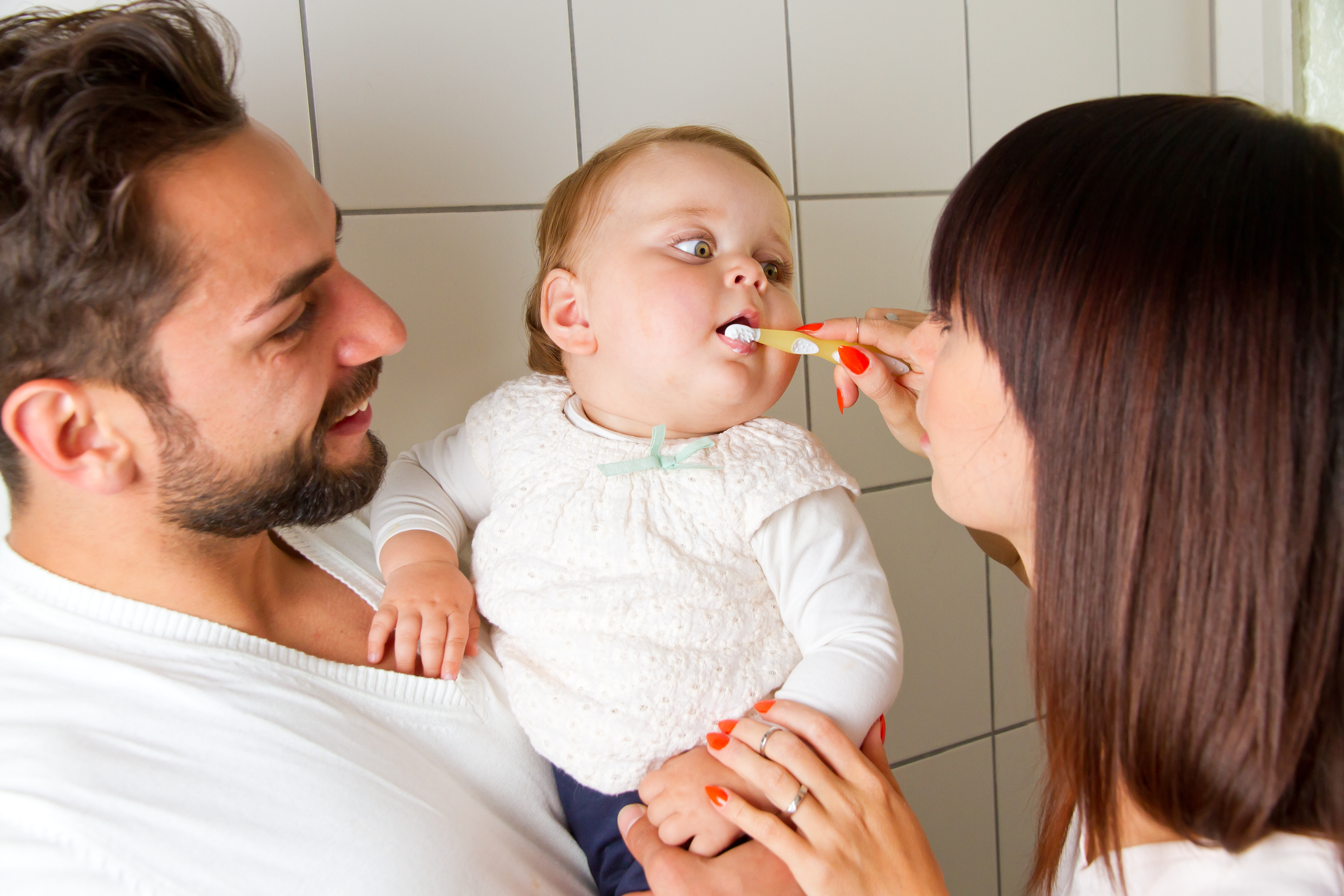
Mom and Dad brushing Baby’s teeth

Start cleaning your child’s teeth when they are a Baby, they will get used to this and it will make your life easier when they are older.

The earlier you start the easier this will be for both of you.

More tips? We have lots. We’re here just for kids!

Dental Care during your Pregnancy

In the Know for You to Know

Your pregnancy is a special time in your life. It’s important for you to know that The American Dental Association and The American College of Obstetricians and Gynecologists have your back. They both affirm and encourage you to have regular oral health care, especially during your pregnancy.

A lot of expectant Moms are hearing differing opinions and have written in asking how to approach this. Today I am answering your most asked questions –

I was told that while I’m pregnant, my cavity should be filled only if it hurts, is this true? It is always important for you to have regular Dental check-ups and to address whatever comes up as soon as possible. Dentists are very knowledgeable about taking care of you, including during your pregnancy. Talking with your Obstetrician may be a way for you to feel more comfortable about this. Waiting until something hurts creates stress and the potential for more complex problems, this is not something you want during your pregnancy. It’s all about keeping you healthy.

I heard that my cavity can’t hurt my baby’s teeth, then I heard cavities can. Which is it? Your cavities can definitely hurt your baby’s teeth. The same goes for anyone who helps you take care of your baby. Cavities and gingivitis are caused by bacteria. These bacteria are transferred from your mouth to your infant’s mouth during some common parenting behaviors like sharing spoons and licking pacifiers. The bacteria attach to their teeth as they come into their mouths. More teeth –> More Bacteria –> Cavities.

My Dentist told me that even though I am pregnant fluoride toothpaste is safe and in the right amount helps prevent cavities. Your Dentist is right. Drinking community fluoridated water and brushing twice a day with a fluoridated ADA Seal of Acceptance toothpaste are effective methods in helping to reduce cavities. And remember to floss each night before you brush.

My neighbor had a toothache when she was pregnant and didn’t go to the Dentist, and one day her face was swollen. Is it safe to go the Dentist during my pregnancy? Going to Dental appointments is safe, and especially important during your pregnancy. Ask your Obstetrician and they will give you their blessing. Not only are you improving life long health habits but you’re taking care of potential issues and pregnancy changes in your mouth. Plus by taking care of your own mouth and teeth you’re also learning how to prevent cavities for your baby.

Growing up my parents didn’t take us to the Dentist because they said our baby teeth will fall out. Now that I’m a Mom and have another baby on the way I don’t want mine to go through what I did. I learned from you that cavities are not okay-Thank you!

With our first baby I though juice was a healthy drink. Then the cavities started and kept getting worse. I learned that juice is pure sugar. With our younger two all we put in their bottles and sippy cups is water. This was a hard lesson to learn, but so glad I did.

Remember to have regular dental care, practice good oral hygiene, eat healthy foods, and speak with your Obstetrician about attending your prenatal classes.

Thank you to everyone!

Don’t be shy, SEND IN your questions, tell us your story, or let us know what you’d like more information on. We love to hear from you!

More tips? We have lots. We’re here just for kids!

You Asked, Here Are The Hacks to Your Pregnancy and Infant Oral Healthcare Questions

In the Know for You to Know

What can I do during my pregnancy to help my child have healthy teeth? Nutrition is always very important and especially for the oral health of your growing baby. A good place to visit for healthy eating tips is myplate.gov. Taking your prenatal vitamins as recommended by your Obstetrician is key since your baby’s teeth are forming along with other important body parts between 7 weeks and 3 months.

I’m having my first baby and following my OB’s instructions. I can’t help wondering, is there anything else I should or could be doing? Congratulations first time Mommy!! My question for you is, when is the last time you saw your dentist? It is so important to take care of your own oral health during your pregnancy and after your baby is born. This also holds true for Daddy, Grandma, Grandpa and everyone who is going to hold, kiss, and feed your baby. You see if someone has active cavities or gum disease the bacteria in the saliva can be passed along to your baby by kissing, sharing spoons, and licking a pacifier. So remember to see your Dentist for regular check-ups, brush twice a day and floss before your nightly brushing.
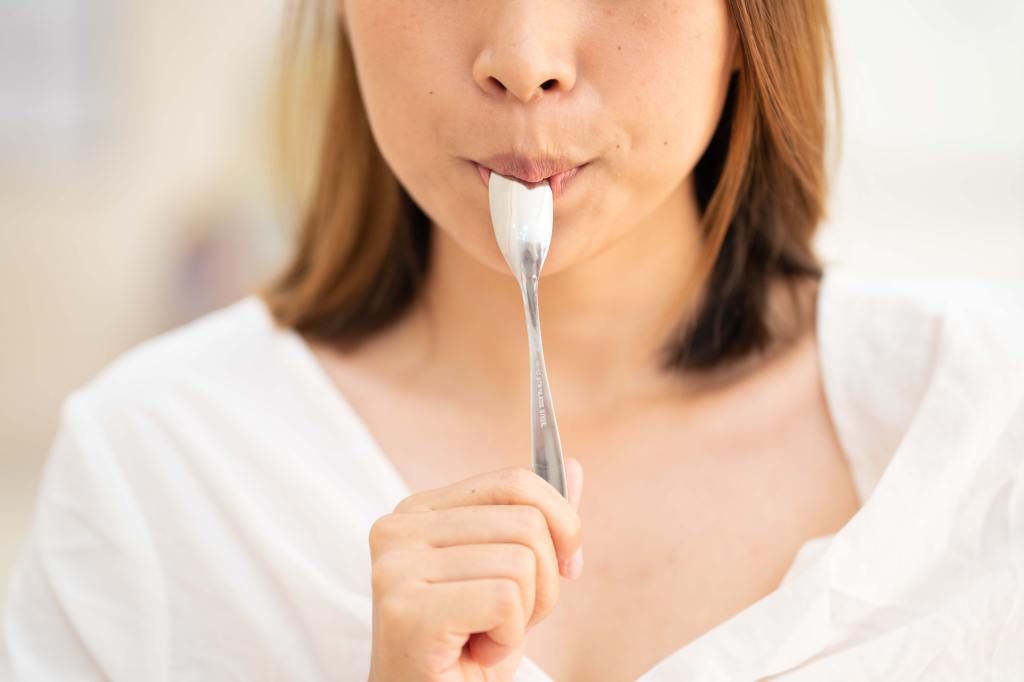
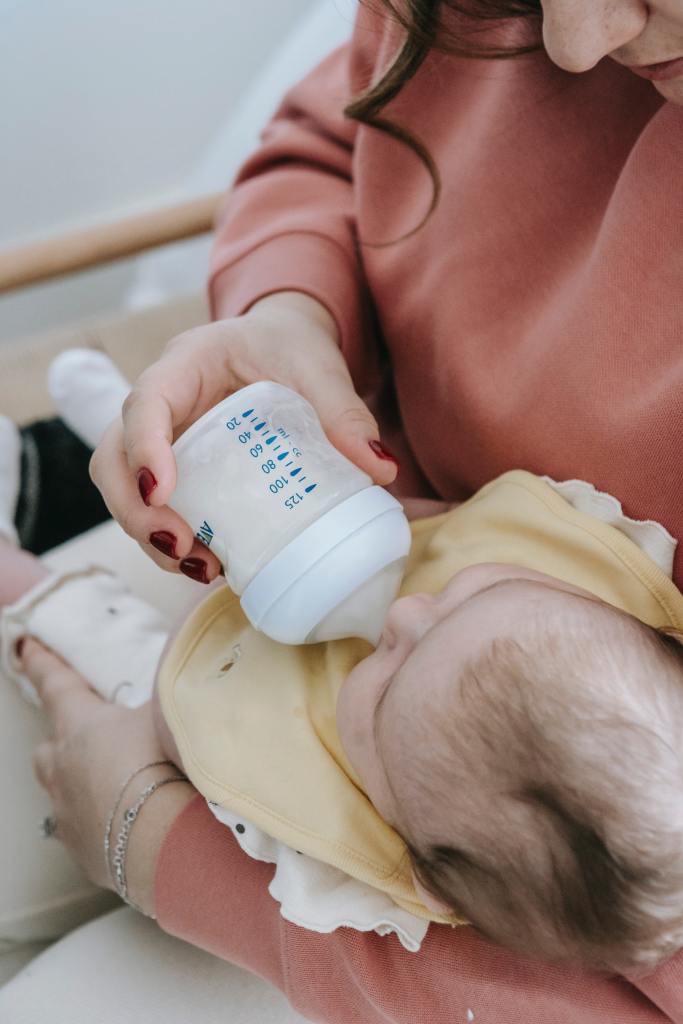
I heard babies can get cavities from bottle and breast feeding. I’m going to have to do a combination of both since I’ll have to go back to work. How can I prevent this from happening? Start when your baby is born. Even before teeth come in it is important to wipe their gums, cheeks, tongue, roof of their mouth after each feeding with a wet wash cloth and also before you put your baby to bed for their nap time or bedtime. Remember not to ever put your baby to bed with a bottle and don’t let your baby fall asleep while you are breast feeding. The reason is that the sugar will sit in their mouth and eventually on their teeth, which is what causes cavities.

I have terrible teeth. When should I start cleaning my Baby’s teeth? The sooner the better. Before your babies teeth come in use a wet wash cloth to wipe their gums, cheeks, tongue, and the roof of their mouth after each feeding and before you put them down for their nap or bedtime. Once teeth start coming in it’s necessary to clean those pearly whites, their gums, cheeks, tongue and roof of their mouth after each feeding and before putting them down for their nap or bedtime. Whether you use a wash cloth, baby tooth brush, or finger brush, remember to lift their upper and lower lips to see their whole tooth.

Do you have any advice on teething? From 4 months to 3 years old you may see sore or swollen gums as your child’s teeth start to come into their mouths. Some children may run a low grade fever, some may have diarrhea, some may tug at their ears, or some may just show you their toothy grin. If need be, it’s best for you to hold and gently rub a cool wet wash cloth on their tooth bumps. Never use teething rings, teething gels, gel pads, teething beads, teething necklaces, teething bracelets, or any kind of pain reliever without discussing this first with you Pediatric Dentist or Pediatrician. If you are not sure it’s teeth or if your child is sick always reach out to your Pediatric Dentist or Pediatrician.

How old should my Baby be when I make our first Pediatric Dentist appointment? My Dentist says it’s 3 years old, my Pediatrician says 1 year old, which is it? It’s best to schedule your first visit when your Baby’s first tooth comes into their mouth. There is a lot to talk about. Not only do we examine teeth, we check their dental growth and developmental milestones, we talk about diet, oral hygiene schedules, tooth paste, pacifiers and thumb sucking habits, and so much more.

Should I worry if my Baby is a thumb or finger sucker? My husband and his siblings did both and now I’m concerned. Thumb sucking is normal for infants and most stop before they are 2 years old. Prolonged thumb or finger sucking can create crowded, crooked teeth and bite problems. There are a few ways to address this concern and it is specific for your child’s needs.

How common are cavities in young children? In this day and age do I really need to worry about cavities? In a word, Yes. Cavities are the most common disease of childhood. Cavities are 5-8 times more common than asthma. Cavities affect 20% of Preschoolers, 50% of School Age Children, and 75% of Adolescents. Cavities that start early in life continue throughout life.

Thank you to everyone who reached out with your questions!

Don’t be shy, send us your specific questions or tell us what you’d like more information on; we’d love to hear from you!

More tips? We have lots. We’re here just for kids!

You’re Having A Baby

In the Know for You to Know

Dental Care for Mom and Baby

Did you know that there are certain things as an expectant Mother you can do to keep your baby cavity free?  As a Mom you have the power to take control of your baby’s oral health. By doing this your baby has the potential to never have a cavity in their life time. The key is to start early.

Teeth Develop When?

About three months into your pregnancy your baby’s teeth are already beginning to form. All twenty baby teeth (also called primary teeth or milk teeth) begin to form before they are born.. If your baby is going to be a thumb sucker, they’ve already started while you are pregnant. In the weeks just before birth your baby is already making sucking and chewing movements in preparation for nursing. 

Diet and Health

Eating the right foods as part of balanced and nutritious meals is important especially now. Those vitamins and minerals from a well balanced diet are good for you, help your baby grow, and provide proper mineralization of teeth and go a long way to help your baby’s tooth-forming cells.

Mom’s Dental Health

Dental health is key to a healthy quality of life for both Mom and Baby. There is a definite link between your dental health and your general health. When you are pregnant your dental health affects your baby’s health. So you can say that dental care is definitely part of your prenatal (and even post natal) care.

Taking care of your dental health needs not only keeps your smile healthy, but also the smiles of your child.

Remember, you should always speak with your Obstetrician and Dentist about your concerns and questions.

It is important for you and your baby to be healthy.  Dental care during your pregnancy is safe and comfortable. 

More tips? We have lots. We’re here just for kids!