Go Board Certified – What It Means To See A Board Certified Pediatric Dentist

Why Choose A Specialist In Pediatric Dentistry?

Why Choose A Board Certified Pediatric Dentist?

What To Remember

Happy Jelly Bean Day

In the Know for You to Know
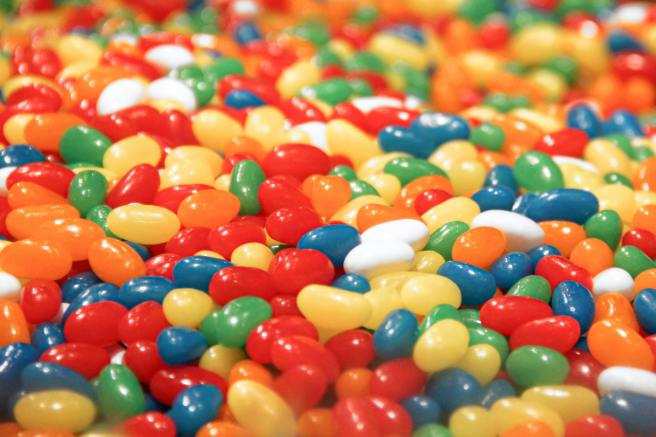
Did you know that there is a day dedicated to these glorious treats? Yes there is. Today, April 22nd is National Jelly Bean Day.

Love the sweet flavorful taste of Jelly Beans?

Here are some Fun Trivia Facts about Jelly Beans

  • Yes, I’m a Dentist and Yes I like Jelly Beans!
  • Jelly Beans have been around for more than 100 years
  • It takes 7 to 21 days to make one single jelly bean
  • Jelly Beans come in massive amounts of flavors
  • Most Jelly Bean assortments contain 8 flavors
  • The number of Jelly Beans eaten in 1 year can circle the Earth 5X’s
  • Jelly Beans are popular everywhere, and every place has their own favorite
  • Jelly Beans are associated with Easter because of their egg shape

You can have your Jelly Beans and Eat them too

How are you going to spend National Jelly Bean Day? Share with us your fun fact about Jelly Beans and tell us what is your favorite Jelly Bean flavor.

A quick tip for when you’re done enjoying your Jelly Beans is to floss and brush the sugar away.

More tips? We have lots. We’re here just for kids!
How Will You Handle A Dental Trauma?

Playing Baseball After My Dad Gave Me My Mouthguard To Wear

In the Know for You to Know

The weather is starting to get nicer and your children want to be outside. They want to go to the park, the pool, run, play sports, skateboard… Fun is in the air.

Then you hear your child screaming or they come running to you pointing to their mouth. What do you do now?

This is why it’s important for you to have some basic knowledge about different types of dental trauma and what to do when your child injures their teeth.

Assess what has happened

It’s always important to know what has happened and the extent of your child’s injuries. If there is a serious injury, uncontrollable bleeding or loss of consciousness you need to call 911 and go to the emergency room.

Sometimes it doesn’t look so bad and you’re just not sure. Remember before you leave the place the injury happened, your Pediatric Dentist and your Pediatrician are a phone call away. If you’re not comfortable or you’re worried about a Concussion or Jaw Injury you can still go to the Emergency Room.

Remember – the teeth, lips, tongue and cheeks are connected to the jaw bones, the jaw bones are connected to the face bones, the face bones are connected to the eye bones, the eye bones are connected to the head bones, the head bones are connected to the body bones.

For some injuries you need to go to the Emergency Room

When it comes to certain injuries it does not make a difference if a Baby Tooth or an Adult Tooth is involved, and these are some of those times —

Baby Teeth For baby teeth the concern is the adult tooth that is growing underneath.

If the Baby tooth is:

  • Knocked out of the mouth and in your hand – Leave the Tooth Out
  • Not visible and not found
  • Pushed into the gums or moved forward, backward, sideways, looks shorter or longer
  • Fractured and you can’t find the broken piece

Adult Teeth For Adult Teeth the concern is being able to keep the nerve alive to save the tooth.

If the Adult tooth is:

  • Knocked out of the mouth – Time is Important! Find the tooth, once you do hold it by the root. If the tooth is dirty gently rinse it with cool water. If the tooth looks sound replace it into the socket in the same position as the teeth next to it, and hold in place with a couple of tissues folded or a clean cloth to bite on. If you can’t replace the tooth then put it in a cup of COLD Milk with enough to cover the tooth. No milk, have your child drool their Saliva into the cup and put the tooth in the cup with enough to cover it. Do NOT put the tooth in Water. The longer the tooth is out of the mouth the more it will take to save it.
  • Pushed into the gums, or moved forward, backward, sideways, loose, locked in place, looks longer or shorter
  • Don’t see the tooth or can’t find it
  • Broken off and you can’t find the broken piece

For some things you can go to the Dental Office – Do this Quickly

It’s important to go to the office or call as soon as teeth things happen. Taking quick action can help save a tooth, prevent infections, and help reduce the amount of extensive procedures.

For Baby Teeth and Adult Teeth

  • Chipped Tooth
  • The Nerve is showing when you see a thin red line or red dot where the tooth is broken

This is scary stuff, What do I do next?

Think of this as your Dental Trauma Cheat Sheet.

Take a picture of this post with your phone, put a copy on your refrigerator, keep this where you will find it fast because you never know when you will need to know what to do.

More tips? We have lots. We’re here just for kids!

Nature’s Cavity Ninja

Family Brushing Time After Trick or Treating

In the Know for You to Know

Fluoride works to help prevent cavities Fluoride is a naturally occurring mineral found in water. It’s also in toothpaste, mouth rinses, gels, varnish and supplements. In the right amount and on a regular schedule it helps prevent cavities by strengthening the outer surface of teeth. This outer surface is tooth enamel. Tooth enamel is weakened by those not so healthy foods and sweet drinks. To be effective, fluoride works its best when combined with a good diet and good brushing and flossing habits.

Fluoride is safe and effective. Did you know that water fluoridation has decreased the cavity rate by 25%? All it takes is a small amount for the maximum benefit. Proper tooth paste amounts need to be supervised by Mom and Dad, and other forms of fluoride like rinses and supplements must also be carefully monitored. Remember not to leave anything within reach of those inquisitive hands since the flavors that encourage children to brush are also tempting to eat.

For infants and toddlers starting to get their teeth and aren’t able to spit out, you can put a tiny dab of fluoride toothpaste on a washcloth or soft baby sized toothbrush. Once your child is old enough to fully spit out in the bathroom sink, a rice grain size dab of toothpaste with fluoride on their toothbrush is the right amount. School age children, tweens, and adolescents only need a pea sized amount of fluoridated toothpaste on their brush. It’s always important to closely supervise your child’s brushing so they don’t swallow the good tasting toothpaste.

Well Water Mystery Some wells have too little fluoride while others have too much. Bottled, filtered, spring and well waters all vary in their fluoride amount. So what do you do? It’s important to have the water from your well tested for fluoride every year. If you’re not sure if you have well water or town/city water, check with the local water utilities company. If you know your town/city supplies your drinking water you can also check the fluoride level by calling them.

Children between the ages of 6 months and 16 years may or may not need supplements, depending on how much fluoride is in your water, So ask for your water report.

Unlike most other medicines, fluoride dosage corresponds to a child’s age, not their weight. It also depends on the amount of fluoride present in your drinking water. This is why it is so important to have your water tested; so that your child is prescribed the appropriate dose.

Topical Fluoride Topical fluorides come in a number of different forms. There are rinses, gels, foams and varnishes. The flavors and colors are endless, as are how they are used. Some are over the counter and some are by prescription. Those over the counter products are not recommended for children under the age of 6.

Also remember to check the labels for fluoride amounts in your Baby’s powdered and pre-made formulas, as well as in their cereals.

Tell us your Ninja story – We’d love to hear

More tips? We have lots. We’re here just for kids!
Answers to Your Questions about Alternatives to Tooth Whitening and Whitening Toothpastes

In the Know for You to Know

Today I am answering questions in follow-up to my last post on Tooth Whitening. With so many great questions I have selected those which represent what you want to know.

Karly from Missouri wrote in asking – I went for it and let my 18 year old twins have their teeth whitened for the holidays and now they want to go back again. I’ve seen whitening toothpastes, are they effective? Whitening toothpastes only remove superficial staining on the top surface of teeth. These toothpastes are toothpaste and do not whiten teeth like the bleaching service your children had at the Dentist. The toothpastes have an abrasive in them that polishes teeth so over time they lighten but do not change the color of teeth.

It’s best to use these pastes for a once a day use and your regular toothpaste for the other brushing. Remember to always use toothpaste with the American Dental Association (ADA) Seal of Acceptance.

Chloe from Minnesota wrote in asking – Our Dentist keeps talking about different types of stains when I ask him why my daughter’s teeth are yellow. She’s a teenager, so what is he talking about? Adult teeth are not that beautiful pearly white that baby teeth are, no matter how old your daughter is. There are 2 types of stains. The stains on the top surface are called extrinsic stains, while staining inside the tooth are called intrinsic stains. The causes and how the stains are taken care of are totally different.

Think about and look at pictures of her teeth from when they first came in until now. Have they always looked this way? Did something happen that changed the way they look? How are we doing with our flossing and brushing routine? Is this something you’re just noticing now?

Ethan from Virginia wrote in asking – I had my teeth bleached and now my 12 year old wants his done also. Is he at a good age to have this done? While some children at 12 years old may have all their adult teeth in their mouth the roots of these teeth are not fully formed and that is very important because of the effect on root development. For the children who have a combination of adult and baby teeth, they are in their mixed dentition. Which means that a lot of new adult teeth which are not in their mouths yet are forming, especially the roots.

While there needs to be more research on whitening for children, tweens, and adolescents, it’s always good to keep up with flossing and brushing and re-evaluate in another year to two.

Andrew from Illinois wrote in asking – We were told that bonding is the best way to go for changing the color of my daughter’s teeth. I thought this was used for cavities, but she doesn’t have cavities. Help! Bonding might be an option for children with discolored teeth. The procedure itself is called bonding, and it is a multi-step process which uses a color matched composite resin to cover the tooth with a thin coating of plastic-like material. After the coating is applied it is sculpted, shaped and polished to provide a pleasing result.

There are some limitations. Bonded teeth are not as strong as natural teeth. Nail biting, biting into food, any kind of accident to the mouth can damage bonded teeth. The composite itself can become discolored and worn over time, and a bonded tooth can not be whitened.

Emilia from Pennsylvania wrote in asking – What are your thoughts about Baking Soda and Charcoal for tooth whitening? Enamel is the thin outer layer covering teeth. For Baby teeth enamel is 1/2 to 1 millimeter thick, and Adult teeth have a thickness of 1 to 2 millimeters. This is very thin, and enamel does not reform.

Baking soda and charcoal are abrasive. They wear away enamel and can make teeth look more yellow than white. More yellow? Yes, because when enamel is worn away the layers underneath are exposed and those layers have yellow color tones.

Mateo from Connecticut wrote in asking – Are there side effects to using tooth whiteners? There needs to be a lot more studies on whitening and its effects on children, tweens and adolescent’s teeth and gums. For the oldest adolescents who do undertake a whitening regimen-BE CAREFUL.

Watch out for tooth sensitivity, gum irritation and even harm to the nerves in the teeth. These effects can be localized or full mouth and due to inflammation and harming tooth structure. How long they last is individual. As always be careful!

Thank you to everyone who reached out with your questions!

Don’t be shy, SEND IN your questions or tell us what you’d like more information on, we’d love to hear from you!

More tips? We have lots. We’re here just for kids!

Happy Valentine’s Day

In the Know for You to Know

Checking in to see how you are celebrating today, Let me know what you love about today

Enjoy and don’t forget to floss and brush!

More tips? We have lots. We’re here just for kids!

Children’s Dental Health Month

In the Know for You to Know

Every February we celebrate a whole month dedicated to children’s oral health.

Healthy habits start early and grow as your child grows. Whether your child is 6 months old, 6 years old, or 16 years old, healthy teeth and gums are important for a healthy smile. With good care, a balanced diet, injury prevention, a home based daily hygiene routine, and dental visits their teeth can be healthy, strong, beautiful, and last a lifetime. 

Little girl playing Dentist with Mom
Photo by Kamaji Ogino on Pexels.com

This is why it’s so important to start early and continue on a regular schedule. By doing this you are establishing your child’s twice a day flossing and brushing routine. Your child gets used to doing this, they grow up knowing this is expected of them and it’s in their comfort zone. Which means it’s stress free for you!

Healthy Teeth = 365 Days of SMILES

Your child’s health, happiness and successes are most important to you. Teaching them cavities are preventable is the first step.

More tips? We have lots. We’re here just for kids!

5 Fast Facts for your Child’s Teeth

In the Know for You to Know

FACT 1 Baby teeth are important and for several BIG reasons. Baby teeth are also called primary teeth or milk teeth and help your child learn where to put their tongue and cheeks so that they can speak clearly, allow them to chew their food well, help in the growth of both their jaws, and guide the position of their adult teeth. That’s a lot of responsibility for 20 teeth!

FACT 2 Your child can get cavities from their bottle and from nursing. Please don’t put your child to bed with a bottle or nurse them while they are sleeping. The liquid in the bottle or breast milk causes cavities because it stays on their teeth. So the sugar in the milk, juice, breast milk in their nice warm mouth eats away at their teeth. That’s why we call them “Sugar Bugs”.

FACT 3 A dab ‘ll do ya with toothpaste. From your child’s first tooth until they are 2 years old a tiny smear is enough. For your 3 to 6 year old a pea sized amount of toothpaste is plenty. As your child gets older they don’t need more than the pea sized amount. Remember to directly supervise their brushing routine, get in there with them and sing that brushing song. Louder, I want to hear you! What are your favorite brushing tunes?

FACT 4 It’s best to let that wiggly teeth come out on its own. If your child wants to help it along, allow them to gently wiggle the tooth with their fingers or tongue until it comes out on its own. Do not pull or put anything else on the tooth to help it along which will be painful and cause their gums to bleed. If you see an adult tooth growing in and that baby tooth isn’t wiggly or is slightly wiggly call your Pediatric Dentist for their guidance. So tell me, what is your tooth fairy tradition?

FACT 5 Sealants really do work. Even with really good brushing and flossing sometimes it’s impossible to clean the tiny grooves and pits on some teeth. Food and bacteria build up in these crevices and before you know it there’s a cavity. Sealants “seal out” food and plaque reducing their tooth’s risk of decay. Are you joining the No Cavity Club?

Go ahead, send me an email at kidstoothhotline@protonmail.com and tell me your favorite brushing song, your tooth fairy tradition, and if you’re joining the no cavity club. I love to hear from you!

More tips? We have lots. We’re here just for kids!

Healthy Smiles Happy Families

In the Know for You to Know

Are you and your child excited to go to the Dentist? Do you feel relaxed, comfortable, secure and valued at your appointment? You will have all those happy feelings when you know you’re taking your child to your Pediatric Dental Home.

Your Dental Home

What is a Dental Home? Why do you need one? How do you establish a Dental Home?

Did you know that your Pediatrician’s office is your Medical Home? Yes it is.

In the same way you found a Pediatrician you and your child adore and established an ongoing relationship with them to provide comprehensive care for all your child’s needs in an easily accessible, coordinated and family centered way, you can create and establish your child’s Dental Home.

Yes you can establish your Dental Home and it is so rewarding! You don’t have to worry about some one different seeing your child each visit. Your family knows everyone in the office and they all know your family. Everything is easier and flows smoothly. You know your Pediatric Dentist and the entire team cares about providing optimal oral health care for your child. Plus you’ll have peace of mind if something comes up unexpectedly that the office has your back.

Looking for a Pediatric Dentist for your family? You can ask a family member, neighbor or your Pediatrician’s Office. You can also go to the American Academy of Pediatric Dentistry’s website — www.aapd.org and click on Find A Dentist (on the top row of tabs) to find an office convenient for you.

The benefits of your own Pediatric Dental Home go a long way toward assuring optimal oral health for your child’s lifetime.

Relaxed Comfortable and Fun

Feeling relaxed, comfortable, secure and valued in your child’s Dental Home.

Establishing good oral health care routines lays the foundation for a lifetime of stress free dental appointments. When you include regular dental visits as part of your child’s health checkups you are insuring that your child stays healthy overall and you are starting their routine. When your child’s mouth is healthy dental visits are positive, educational and fun. There is no stress or worry. This is why everyone is excited and happy to go to the Dentist!

Being Partners in this TOGETHER

Ask your questions, express your concerns. Tell your Pediatric Dentist how stressed you are about not getting to those back teeth or making brushing last longer than 2 seconds.

As Parent-Doctor Partners you work together with your Pediatric Dentist on educating you and your child about dental health. Learning is fun, learning is positive. Know that Pediatric Dentists are specially trained for your child’s specific oral health care needs and go the extra miles to build a lasting relationship on trust, respect and confidence.

As partners you are laying the foundation for your child’s lifetime of beautiful smiles and good oral health.

Now you’re smiling, laughing and excited for you and your child to go to your Dental visit! Don’t be surprised when your child doesn’t want to leave and wants to go back tomorrow.

More Tips? We have lots. We’re here just for kids!

5 Tips for Smart Snacking

In the Know for You to Know

Here are 5 of my favorite snacking tips for Thanksgiving and all year round

Be careful of in between meal snacks. Limit them to 2 a day and make healthy choices.

Clean away the snack from your teeth as soon as possible. Even a simple swish and rinse with water will help.

Do not let snacks take the place of nutritionally balanced meals.

Soda, juice, sports drinks, and flavored waters are more than empty calories. They cause cavities by eating away at the enamel of your teeth.

How much time do you want to spend in the dental chair?

More tips? We have lots. We’re here just for kids!