In the Know for You to Know

Your child’s dental health is much more than healthy teeth. This is because dental health is integral to their overall good health, the same way it is for mom and dad.
Your baby’s dental examinations allows you opportunities to learn about so many changes they will go through as they grow, especially in the first year.
There are so many things to talk about concerning your baby’s mouth, teeth and growth at this young age. They could be about teething, tooth development, jaw growth, oral hygiene, fluoride, diet, thumb sucking, pacifiers, injury prevention, brushing and so much more.
You may want to know how often you should bring your baby for their dental examination. Or maybe your husband, mom, or mother-in-law may have a question or two.
Where And When Do We Start?
We’ve put together a list of topics which are important right from the beginning, and will help you as your baby grows.
Birth to 2 months
- Feeding Whether you’re breast feeding, bottle feeding or doing a combination of both it’s important to wipe your baby’s mouth with a clean wet wash cloth to clean away the residual milk or formula.
Why is this important? So your baby gets used to you cleaning their mouth now and as they grow.
If you’re bottle feeding, remember no bottle propping.
4 months
- Feeding Whether you’re breast feeding, bottle feeding or doing a combination of both it’s important to wipe your baby’s mouth with a clean moist wash cloth to clean away the residual milk or formula. If you’re bottle feeding, remember no bottle in the bed.
- Fluoride Depending on your water supply your baby may or may not need a fluoride vitamin, so it’s best to talk about your drinking water now.
- Teething Teeth may be starting to come even at this young age, which makes it even more important for you to wipe your baby’s mouth with a clean wet wash cloth after every feeding.
6 to 9 months
- Teething Teeth typically begin coming in at 6 months old. Cool wash cloth compresses on the new teeth and tender gums help with discomfort. Avoid teething gels, teething beads, teething rings filled with liquid.
- Dental Check-up We’re looking at the teeth to see which one’s are coming in, which one’s are about to come in, the order they’re coming in, if there are any white or brown spots or cavities on the teeth, the shape of the teeth, if there are any defects of the teeth, as well as the shape, size and growth of your baby’s jaws.
- Oral Hygiene As teeth come into their mouth keep wiping your baby’s mouth with a clean wet wash cloth after each feeding to keep their mouth clean. You can put a dab (aka small pea size) of fluoride toothpaste on the wash cloth to wipe your baby’s teeth. It’s important to lift their top and bottom lips away from their teeth so that you can see the full tooth and clean the whole tooth (and all of the teeth).
- Fluoride If your drinking water has very little or does not have any fluoride your child will need fluoride vitamins. The exact does of fluoride depends on how little fluoride your water has and your child’s age.
- Feeding Whether you’re breast feeding, bottle feeding, doing a combination of both, trying out a sippy cup or introducing table foods it’s important to keep wiping your baby’s mouth with a clean moist wash cloth to clean away the residual milk, formula, or food. If you’re bottle feeding or beginning to use a sippy cup, remember no bottles or cups in the bed. It’s important to clean your baby’s teeth before going to sleep.
12 months
- Teething Teeth are still coming into your baby’s mouth. Cool wash cloth compresses help with discomfort. Teething gels, teething beads, teething rings filled with liquid need to be avoided.
- Dental Check-up With more teeth in your baby’s mouth we’re looking at the teeth to see which teeth are in their mouth, which one’s we can feel under their gums, the order they’re coming in, if there are any white spots or brown spots or cavities on the teeth, the shape of the teeth, if there are any defects of the teeth, as well as the shape, size and growth of your baby’s jaws. We’ll ask you about your pediatrician’s visits since your baby’s overall growth affects their dental growth.
- Oral Hygiene As more teeth come into their mouth keep wiping your baby’s mouth with a clean wet wash cloth after each feeding to keep their mouth clean. You can put a dab (aka small pea size) of fluoride toothpaste on the wash cloth to wipe your baby’s teeth. It’s very important to lift their top and bottom lips away from their teeth so that you can see the full tooth and clean the whole tooth (and all their teeth).
- Fluoride If your drinking water has very little or does not have any fluoride in it, your child will need fluoride vitamins. Since the exact does of fluoride depends on the amount of fluoride your water has and your child’s age your prescription may change.
- Feeding Whether you’re breast feeding, bottle feeding, doing a combination of both, trying out a sippy cup or introducing table foods it’s important to keep wiping your baby’s mouth with a clean moist wash cloth to clean away the residual milk, formula, or food. If you’re bottle feeding or beginning to use a sippy cup, remember no bottles or cups in the bed. It’s important to always clean your baby’s teeth before going to sleep.
Important To Remember
- Always hold your infant when you are feeding them. No bottle propping or putting them to bed with a bottle or sippy cup.
- Start cleaning your baby’s mouth with a clean wet wash cloth after their very first feeding and then after every feeding.
- Make your child’s first pediatric dental appointment when their first tooth starts to peek through their gums.
- Baby’s can start to get their teeth as early as 4 months old, this is why starting early to clean their mouths is so important.
- Lift their top and bottom lips so you can see all of their top and bottom front teeth.
- Fluoride is safe and your pediatric dentist will only prescribe fluoride if your drinking water does not have the optimal amount of fluoride.
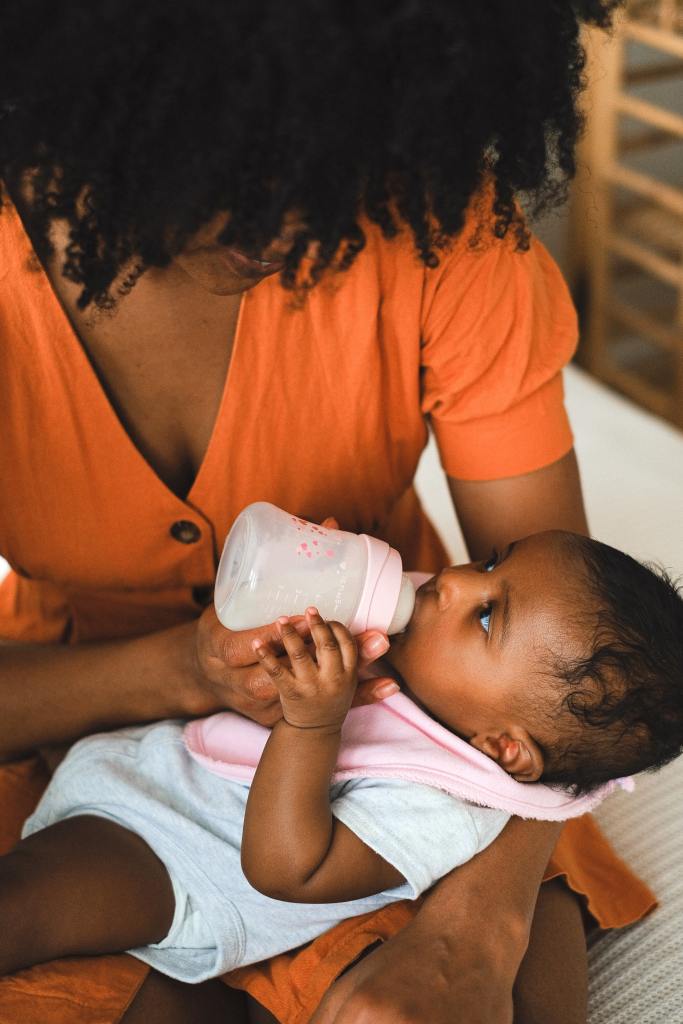

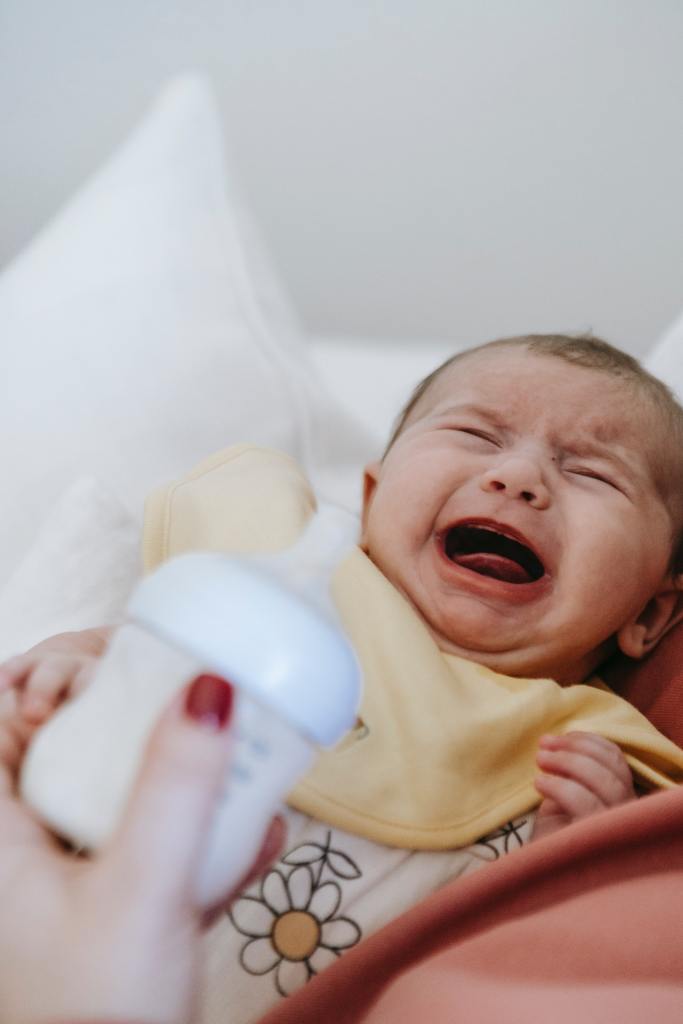
As Pediatric Dentists our goal is to make dental visits stress free for every child and their parents, and that starts in infancy.
Your child’s visits to the pediatric dentist should be fun and positive. Every child deserves a dentist who lays the foundation for a lifetime of good oral health.
How old was your child when they got their first baby teeth? How old was your baby when you started cleaning their teeth? Share with us, We’d really like to know. Email us at kidstoothhotline@proton.me Like Us or Chat with us on Facebook at facebook.com/kidstoothhotline





 kidstoothhotline