4 Myths About Children’s Teeth

In The Know For You To Know

MYTH #1 Baby Teeth Are Not Important

Baby teeth are very important and for 4 reasons. First, they are needed for the growth of your Baby’s jaws, muscles and their face. Second, their teeth are also necessary for your Child to be able to chew their food, eat well and grow healthy and strong. Third, their teeth help them to speak — their tongue and cheeks engage the surfaces of their teeth to help them form the sounds they need to talk. Fourth, their Baby teeth provide the space for their permanent teeth to develop and to guide them into position.

Myth #2 Putting Baby To Bed With A Bottle is NOT A Problem

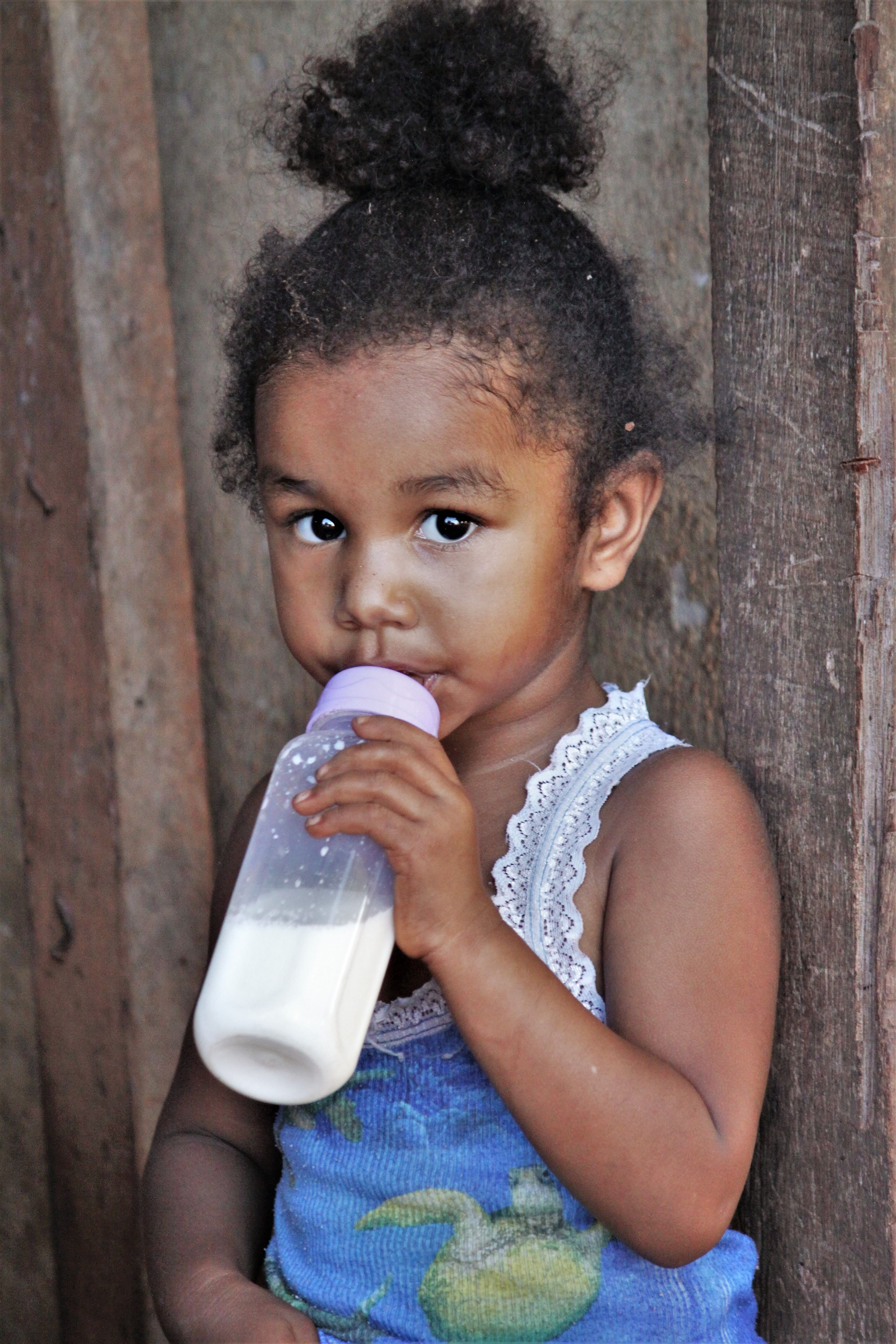
Putting your Baby to sleep for a nap or at night with a bottle or after breast feeding can cause a serious type of cavities. This is because the sugar in the formula, milk, fruit juice, and other sweetened liquids sit on their teeth and eats away at the enamel. The time for cavities to show up can be as soon as 1 year after their teeth come into their mouth. You’ll most probably see the cavities on their top front teeth first.

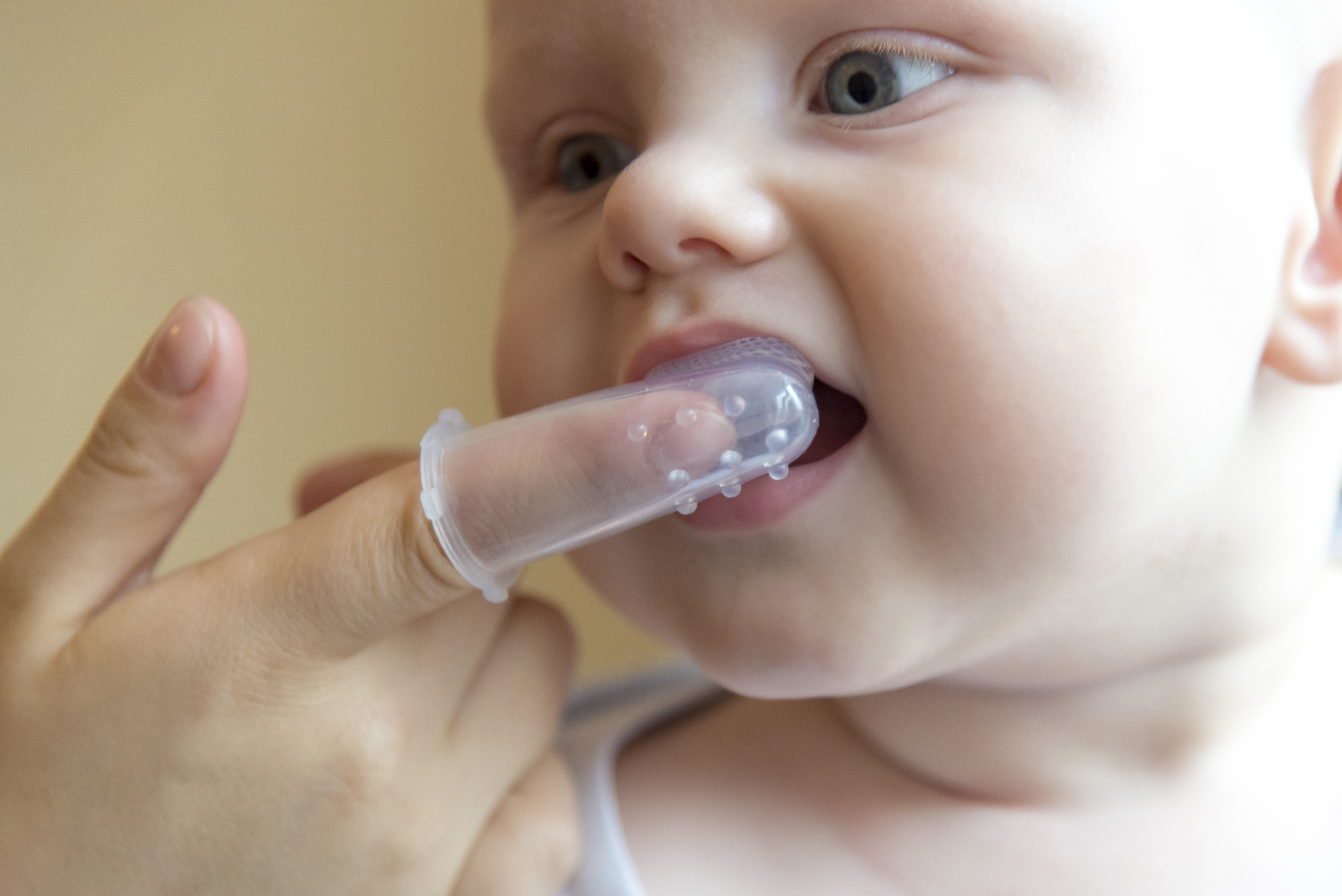
What to do? Clean your Baby’s whole mouth and teeth with a wet washcloth after each feeding everyday, from their first to their last feeding of the day. It’s best for you to sit down on the bed or on the sofa where you have room and can comfortably and safely hold your Baby and you can look into their mouth easily.

If they will not go to sleep without a bottle, put water in the bottle. Water not working? Then dilute the sugary liquid with 50% water and keep increasing the amount of water until there is 100% water in the bottle by the end of 1 week.

MYTH #3 Cavities Aren’t A Big Deal For Children

Cavities in children are more prevalent than Asthma. And by a lot, children are 8x’s more likely to have cavities than Asthma.

That’s a lot of children — 20% of preschoolers, 50% of 2nd graders, 75% of 15 year olds.

MYTH #4 Letting Your Child Brush Without Your Help

It takes time for children to develop their motor skills. How old do you think they’ll be when they can wash and dry their own hair from start to finish on their own?

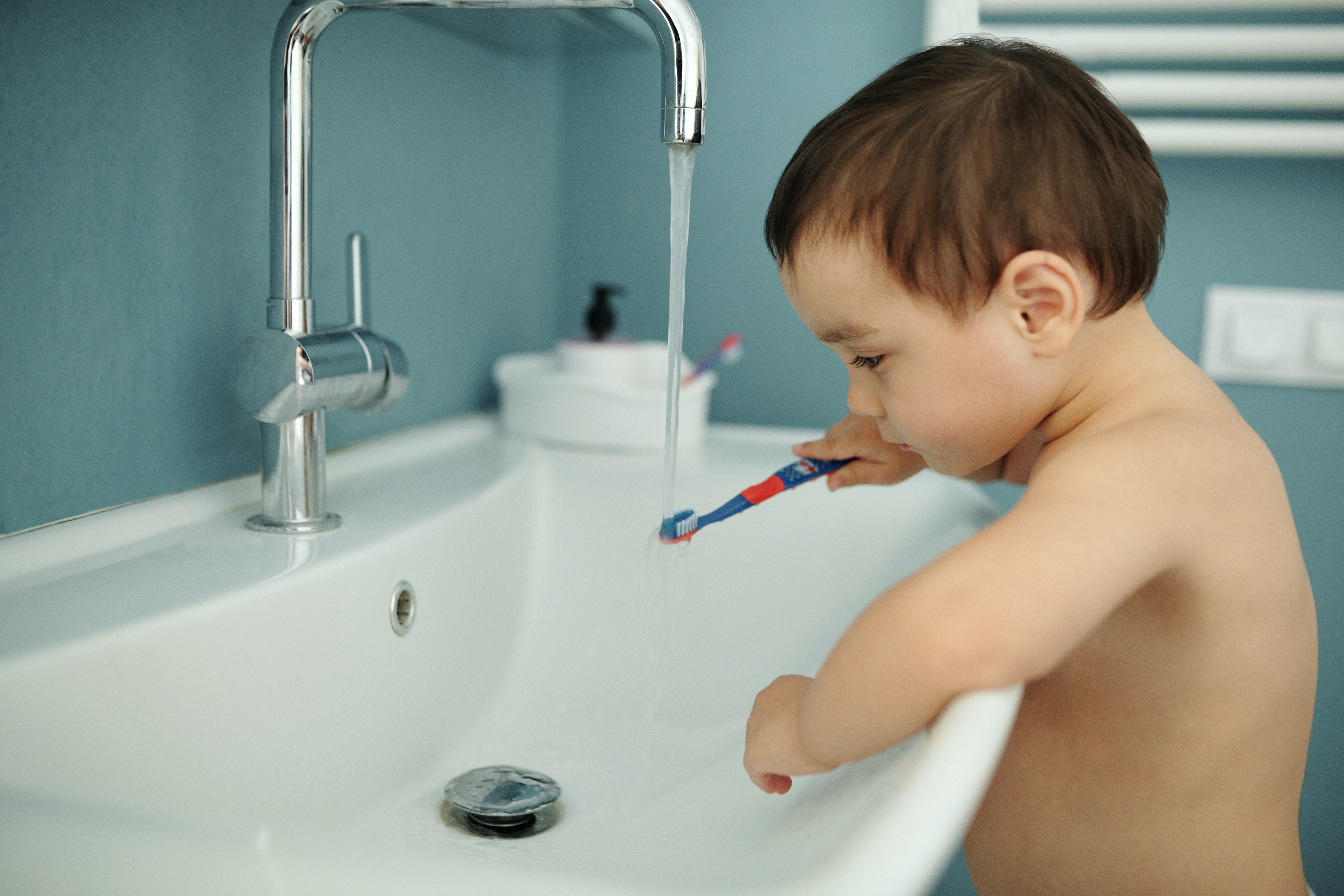
When they can do their hair themselves that’s about the time they can floss and brush on their own also. So you will be doing this for them. Not only that, once they do start flossing and brushing by themselves in front of the bathroom mirror, they’ll do a much better job with you in the bathroom with them.

Brushing is 2 Minutes 2 Times A Day and Flossing is at night before brushing. So it’s brushing in the morning for 2 Minutes after breakfast before leaving for school looking in the mirror, and at night looking in the bathroom mirror to floss first then brush for 2 Minutes, then nothing to eat or drink and straight to bed.

Don’t fall into these common confusions about your Child’s oral health. Now you can take charge and have the power to stop these urban legends before they begin.

What is your power?

More tips? We have lots. We’re here just for kids!
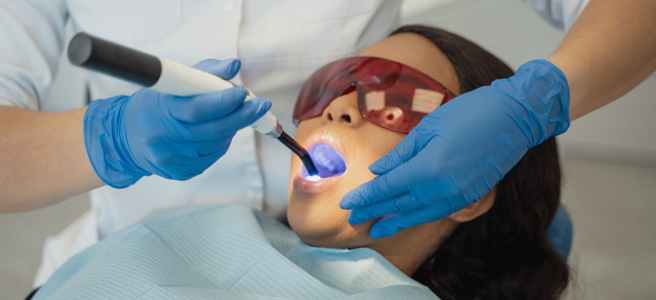
What are Dental Sealants?

In the Know for You to Know

Today I am answering your questions about Sealants. So many of you have been writing in asking about Sealants so for you in honor of National Children’s Dental Health Month I am dedicating this post to your questions.

What are Sealants? Sealants protect the groovy chewing surfaces of back teeth where most cavities in children are found. Made of clear or tooth colored plastic-like material, they are applied to the teeth to help keep them cavity free.

Are Sealants safe? Yes the are. The flowable material is safe and the light used to harden the sealant is a special wavelength that is completely safe. The light isn’t a laser or an x-ray.

How do sealants work? Even with flossing and brushing carefully, it can be difficult to keep the tiny grooves and pits on the molars clean. Food and bacteria build up in these crevices increasing the risk of cavities. Sealants “seal out” food and plaque, reducing the risk of cavities.

How do you apply sealants? The application of a sealant is quick and comfortable. It takes only one visit. First the tooth is cleaned, a conditioner is applied and then dried. The sealant is flowed onto the grooves of the tooth and hardened with a special light. Your child will be able to eat right after their appointment.

How long do sealants last? Sealants can last several years when cared for, and protect your child’s teeth through out the most cavity prone years. With good oral hygiene and avoiding biting on hard objects, sealants will last longer. Sealants are checked during routine dental visits.

Which teeth should be sealed? The natural flow of saliva usually keeps the smooth surfaces of teeth clean but does not wash out the tiny grooves and pits. So the teeth most at risk for cavities are those recommended for sealants and they are the permanent molars, the 6 year old and 12 year old molars. Many times the permanent premolars and baby molars will also benefit from sealant coverage. Any tooth surface with “nooks and crannies” can benefit from the protection of sealants. Sealants offer no benefit to smooth flat surfaces, so sealants are not applied to those areas.

If my child has sealants, is flossing, brushing and fluoride still important? They are definitely important! Sealants are one step in the plan to help keep your child cavity free.

Are sealants recommended for all children? No, just like your child is an individual so are their teeth. A lot goes into a conversation about whether to seal or not to seal teeth. It’s all based on the specific needs for your child.

More tips? We have lots. We’re her just for kids!

Excited to go to the Dentist

Brushing My Teeth With My Mom

In the Know for You to Know

Has your child told you how excited they are to go to the Dentist?

That they can’t wait to have their teeth counted and tickled?

What flavors will they pick to treat their tongue and bedazzle their smile?

What prizes will they choose and what will their goodie bag hold?

As a parent you know it’s about more than teeth, it’s about the experience,

Your experience in a place that is fun, magical, educational, comfortable and familiar.

This is the world of Pediatric Dentistry, This is the world for You.

Wishing you all my best for an amazing holiday season!

More Tips? We have lots. We’re here just for kids!

Dental Care for Adolescents

In the Know for You to Know

What does a healthy mouth mean to you?

Is it a bright smile and fresh breath? OR

Does it mean you can talk and laugh with confidence?

Facts and tips on keeping a healthy smile

What you need to know about your own dental health —

FACT 1: You have not outgrown cavities. Cavities are more of a problem now.

FACT 2: Swollen and inflamed gums (gingivitis) is not the only risk to your oral health. It is also a threat to your appearance. Gingivitis causes red, swollen, painful bleeding gums and bad breath.

FACT 3: You are still growing. Your face and jaws are still changing. Even though you think you have all your permanent teeth, your wisdom teeth are going to start to come in. Being healthy and attractive during this time is as easy as taking good care of your teeth and visiting your Pediatric Dentist every 6 months.

How you can keep a healthy smile

Eat intelligently. Life is more hectic now with school, sports, studying, a job, new responsibilities. If you have to eat on the run choose fresh fruits and vegetables instead of junk food.

Snack smartly. Be careful of snack foods since they contain a lot of sugar and cause cavities. So read the labels.

Brush your teeth for 2 minutes 2x’s a day with a fluoride toothpaste and floss before brushing every night to help prevent gingivitis and cavities on the sides of you teeth.

Keep up with your dental checkups. Tooth cleanings, fluoride treatments, sealants are important for you.

Do not smoke, vape, or chew tobacco! The warnings you hear and see are true. Smoking, vaping, using any form of tobacco doesn’t only cause heart and lung problems. They cause mouth and throat cancer. Noticing any changes in your mouth? Call your Pediatrician or Pediatric Dentist now!

Wear a mouth guard for any sports or activities where your mouth can get hit.

Buckle up in the car. Doesn’t matter if you’re the driver or passenger. A seat belt with a shoulder harness can keep your face from striking the steering wheel, the dashboard, or windshield during an accident.

Your dental health and appearance are as important to your Pediatric Dentist as they are to you and your parents.

Let your Pediatric Dentist keep your smile healthy and sparkling.

More Tips? We have lots. We’re here just for kids!
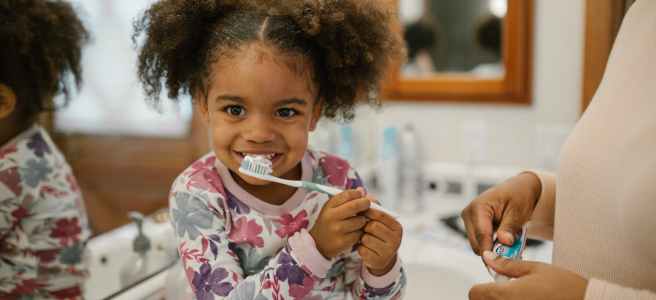
Dental Care for Your School Age Children

My Mom Is Teaching Me How To Brush My Teeth

In the Know for You to Know

Why are regular dental check-ups so important?

Check-ups every 6 months are a time to talk about your oral hygiene routine and the increasing role your child is taking in their own oral health. It’s discussing fluoride, your child’s diet on their teeth, habits, and what you can expect in terms of growth and dental development. And depending, we may talk about sealants.

What should we be doing at home?

Supervise, encourage and model your child’s daily flossing and brushing routine. This allows you to reinforce why they need to brush for a full 2 minutes twice a day and floss before brushing each night. There’s lots of fun ways to brush, check out 2min2x.org.

Teething Again?

In a different way. Now it’s the Adult teeth which are coming into their mouths. Around the age of 6 bottom and top front teeth come in followed by the very back (behind the baby teeth) molars. Age 7 it’s the side teeth. Between 9 and 11 years old the eye teeth (canines) come in. Around 12 their second set of adult molars comes in, and you guessed it, they are called the 12 year molars. Around this time their baby molars are being replaced with their premolars.

Are children afraid of the Dentist at this age?

Yes and no. Some may cry, others may be hesitant, and others will be happy to be there. If you have concerns talk with your Pediatric Dentist. Pediatric Dentists are experts in how to make dental visits a positive experience for your child.

When are X-rays taken?

Pediatric Dentists follow the protocol established by the American Academy of Pediatric Dentistry. There are certain times when it is important to take an x-ray and the information we see is valuable in helping take care of your child. Be assured that dental x-rays are very safe, we’ve come a long way in technology.

Are mouth guards important?

In one word, Yes. Children this age are starting to participate in gym, recess, after school athletics, and/or school sports, so it’s important to be aware of injury prevention. A mouth guard is recommended at this age for any sport that leads to contact with a surface or another person. For the same reason children wear helmets and shin guards, or use foam mats as part of their equipment they also wear a mouth guard, and that is for their Safety.

Remember Your Goal

With good oral care at home and regular twice a year check-ups your child has the potential to become an adult without ever suffering from a cavity or other oral health issues. This is priceless.

More tips? We have lots. We’re here just for kids!

Putting Your Baby to bed with a Bottle, What’s all the fuss about?

In the Know for You to Know

It’s about keeping your Baby’s and Toddler’s teeth healthy.

Did you know frequent and prolonged exposure of a Baby’s teeth to sugary liquids can lead to cavities at an early age?

This used to be called “Bottle Rot” and “Baby Bottle Cavities.” Today we call this Early Childhood Caries or ECC.

What is Early Childhood Caries?

Early Childhood Caries are cavities which happen with frequent sleep time bottle feeding or breast feeding on demand, or using a bottle as a pacifier when babies are fussy and you’re trying to to put them to bed. Bottle feedings and sippy cups with juice, milk with flavored syrups, and frequently consuming sugar-added snacks and drinks.

How do I know this is happening?

What does this look like?

There is a very specific look to the teeth and pattern in how this happens.

Have you noticed white spots on the teeth or around the gum lines? This is what early stage cavities look like. Those extra white chalky looking spots that don’t match up with the rest of the tooth color. This is the time to visit your Pediatric Dentist for early treatment.

As cavities get bigger those white spots change color to brown or black and become holes in the teeth. The holes continue to get bigger and pieces of tooth start to break off. You may notice red swollen gums or bad breath. You may notice a pimple on the gums, or a new onset fever which indicates an infection is brewing.

Which teeth are involved?

The most noticeable are the top front teeth. Eventually, some sooner than others, they all become involved. You may notice this on the back teeth when your Baby opens really wide and pulls their head back.

This is the point when you really have to see the Pediatric Dentist. Letting this go any further is not an option.

They’re Baby Teeth, why are they so important?

A lot of people feel that because baby teeth will eventually fall out and adult teeth grow in, there is no reason to take care of baby teeth; however this is a very common misconception.

Cavity ridden and infected baby teeth have an impact on a child’s health and can cause many health problems.

Healthy baby teeth are important to allow your Child to be pain free, help them chew their food properly, give them their adorable smile, allow them to speak well, and to grow healthy and happy.

What can I do to decrease the risk of my Baby developing cavities?

The answer comes down to 4 simple to do things –

Clean your Child’s mouth with a wet wash cloth after each feeding from the time they’re born,

Avoid letting them go to sleep without cleaning their mouths,

Avoid sugary and starchy liquids and foods,

Schedule your first Pediatric Dentist appointment as your Child’s first tooth is coming into their mouth.

Now tell me, What is Your Goal for Your Child?

More tips? We have lots. We’re here just for kids!

7 of our Favorite Books to read before your Pediatric Dentist appointment

In the Know for You to Know

Our favorite books to read before your visit. By the way, parents and children LOVE them too!

Baby teeth are important and so are dental check-ups. These pearly whites help your child chew their food, speak, grow, and eventually guide their adult teeth into their correct positions.

20 Baby Teeth guiding all those Adult Teeth into position they must be super important

Keeping baby teeth healthy helps you keep your child healthy not just now but also for when they are the adults. Starting early, or as early as possible is the key to starting on this path.

So snuggle up, choose a good book (or two or three) and start on your dental journey.

The Tooth Book by Dr. Seuss A hilarious book about all things teeth.

The Berenstain Bears Visit the Dentist by Jan and Stan Berenstain Mama, Papa, Brother and Sister set out for their trip to the Dentist and learn about all the ways a Dentist helps keep teeth healthy.

Curious George Visits the Dentist by H.A. Rey Read about how George’s first visit to the Dentist is fun and a learning experience all in one.

Dentist Trip (Peppa Pig) by Scholastic George is going to the Dentist for his very first visit and Peppa is coming along to show him how much fun this will be.

Off We Go to the Dentist by Avril Webster Great book for helping children adjust to new experiences and potential sensory issues (bright lights, sounds, textures). Gently introduces what to expect at your visit for toddlers, children with special health care needs, and children for whom English is their second language.

Dora Goes to the Dentist by Randy Roper Dora describes her trip to the Dentist and involves the reader by asking you to look for things and do certain things (like opening your mouth wide). Just the right amount of detail.

Sesame Street Ready, Set, Brush! A pop-up book Elmo, Zoe, and their friends show how much fun dental visits and taking care of your teeth at home can be.

More tips? We have lots. We’re here just for kids!

Top 6 Tips to know about Your Pediatric Dentist for Your Family

In the Know for You to Know

Tip 5 How do Pediatric Dentist’s feel about Parents in the treatment room?

WE LOVE PARENTS!

We want you to feel totally comfortable whether you want to be in or out of the room. A little in, a little out, one foot in, one foot out, listening behind the wall, sitting on the chair. The choice is yours. Why? You know your child best

The Choice is Yours

Want to stay in the room? Here’s some tips:

Knowing you are there will automatically allow your child to feel comfortable. Standing slightly out of site and not letting facial expressions (above the mask) be seen decreases the possibility that a worried look will upset your child. Even the youngest children are very attuned to their parent’s facial cues.

Be a silent observer. This allows your Pediatric Dentist to build rapport and provide positive coaching for your child.

If your child needs reassurance you can sit on the chair and hold their hand or have your toddler sit on your lap.

If you decide not to come in your Pediatric Dentist will talk with you afterwards. It’s always our goal to keep you informed about your child’s oral health and development. Plus we want to tell you what an awesome helper they are!

Tip 6 Do Pediatric Dentists have recommendations about what to say about an upcoming appointment?

Yes we do because this is so helpful for setting the tone for your child’s visit.

It’s always best to keep it light and positive.

You may want to start talking about your upcoming appointment the day before or a few days before your visit. You may want to start your own tradition with a personal tooth brushing song, or read books and watch movies. Maybe you’ll start family brushing time to show your Pediatric Dentist what a great job you do.

FYI – stay tuned for my upcoming post on Top Books to read with your Child before visiting your Pediatric Dentist.

You and your Pediatric Dentist are on the same team and together will establish positive expectations and experiences for your child.

More tips? We have lots. We’re here just for kids!

Top 6 tips to know about Your Pediatric Dentist for Your Family

In the Know for You to Know

Tip 3 So what is a Pediatric Dentist’s specific style?

Great question! 

One of our primary approaches is Tell-Show-Do.  This is the way we introduce everything dental at each appointment.  

Now you’re asking, how do you do this?  You guessed it, we explain (tell) what we are going to do in appropriate words for your child’s age and level of understanding.  We introduce (show) your child to what we are going to do for them in a simplified manner with some demonstrations and naming some instruments with funny names (looking glass, tooth counter, mr. thirsty, straw, and there are more).  Then we begin (do) the appointment.  

There is also Positive Reinforcement, where we praise and reward children for behaviors that help them accomplish their dental care in a happy way.

Sometimes if necessary, we use Distraction.  This involves choosing words extra extra carefully while placing a child’s attention on conversation, movies, music, or video games; at the same time encouraging, engaging and supporting the child to have a positive experience.

Tip 4 What is the benefit of these concepts?

In a word, Empowerment.

Empowerment for the short term, as it is introducing what is new and unknown in a kind, respectful, fun, age appropriate way with the desire to create and build on positive experiences, allowing children to build trust and feel comfortable with the office and their Pediatric Dentist.  

Empowerment for the long term, because it is creating a life time of regular happy, stress free oral health care appointments.

Stay Tuned for Tip 5

More tips? We have lots. We’re here just for kids!