Can you believe it’s 2026? Here’s to a great year!
Like the saying goes, new year, new dreams, new hopes. This year you’re hoping for only good visits at the pediatric dentist’s office. Finger’s crossed no cavities. Or at least no new ones.
But when cavities are caught early, are they really cavities?
How can you tell if your child has early signs of tooth decay? What do you look for to tell if your child has a potential cavity?
Today we’re talking the tell tale signs of early tooth decay for you to spot.
Early Signs Of Tooth Decay
Recognizing the early signs of decay can help you take action.
What to look for:
White spots on the teeth – this is also called demineralization, and indicates the earliest sign of enamel damage
Brown or black spots near the gum line – indicates cavities are forming or have already formed
Bad breath
Sensitivity to sweets
Sensitivity to hot and/or cold foods and beverages
Pain or discomfort while chewing – can lead to a decreased appetite
Puffy, swollen or red gums
Why Early Decay Isn’t Only About Baby Teeth
Have you heard the myth about baby teeth? The one that goes, “They’re just baby teeth. They’ll fall out anyway.”
Well, this is what happens when early decay is undervalued and overlooked:
Pain and infections lead to missed school and poor nutrition
Premature tooth loss affects speech and adult tooth position
Self-confidence takes a hit and embarrassment takes over due to visible cavities and/or bad breath
Future dental visits may become a source of fear
We’re Reading Our Social Story So I Can Check My Daughter’s TeethI Look At Mommy’s Teeth, Then Mommy Looks At My Teeth
Parent’s Role In Early Detection Of Tooth Decay
Become the tooth detective of your home.
Be on the look out for:
Complaining about teeth hurting when eating or drinking cold foods, beverages, and ice cream
Avoiding chewing on one side or eating less
White or brown spots that don’t go away no matter how much you brush
Bad breath
Gums that bleed when brushed
When your child tells you they have a bad taste in their mouth
Let Me Tell You About My TeethMy Teeth, My Teeth
What To Remember
Tooth decay often starts silently.
As a parent, you’re always looking for anything unexpected when it comes to your child’s health, and that includes their teeth.
So if you’ve spotted something on your child’s pearly whites, you’ll be wondering what’s going on. Whether your child has baby teeth or newly erupted adult teeth, knowing what to look for can give you peace of mind.
When is the last time you looked in your child’s mouth? And looked at their teeth? How did they look? How did their breath smell? Tell Us, We’d really like to know! Send us an email at kidstoothhotline@proton.me Like Us on Facebook
More tips? We have lots. We’re here just for kids!
Like most childhood milestones teeth are variable. The age when a baby gets their teeth differs from child to child.
There are some infants who are born with teeth. Then there are 1 year olds who have yet to get any teeth.
When you’re out and about you’re noticing other children your baby’s or toddler’s or pre-schooler’s age who already have teeth or are getting teeth.
You’re wondering why at 1 year old your child doesn’t have any teeth yet?
Today we’re talking about possible causes of delayed baby teeth, also known as delayed tooth eruption.
When Do Babies Start To Get Their Teeth?
There is no one set “normal” expected age for when teeth start to come into a baby’s mouth. It is a really wide range of time. Some babies may be born with teeth and some may not get a tooth until they’re 1 year old.
However, most babies get their first tooth when they are between 4 and 9 months old.
At What Age Is A Baby Considered To Have Delayed Tooth Eruption?
If a child does not have any teeth by the time they are 12-18 months old, it is time for them to see a pediatric dentist.
It is important to examine their mouth and try to determine the reason teeth have not come in yet, and what to do next.
I’m 1 So Where Are My Teeth?I’m 2 Where Are My Teeth?So My Love Where Are Those Teeth Of Yours?Why Does My Brother Have Teeth And I Don’t?I Have Teeth But My Brother Doesn’t
What Causes Delayed Tooth Eruption?
For some children who haven’t gotten their baby teeth yet, it can come down any one of a number of factors ~
Genetics
Failure To Thrive or Under Nutrition
Fibrosis (thick gums)
Systemic Diseases
Premature Birth or Low Birth Weight
Genetics
Genes for teeth are passed down just like hair color, eye color, and height.
If your child doesn’t have teeth yet, ask other family members how old they were or their children were when they started getting their teeth.
There are also some genetic conditions, such as Down’s Syndrome, which cause delays in tooth eruption.
Systemic Disease
There are some developmental delays, diseases, and syndromes which are associated with delayed tooth eruption.
Some include ~
Apert Syndrome
Hypopituitarism
Vitamin D Resistant Rickets
Chemotherapy and Radiation Therapy
Premature Birth, Low Birth Weight, Failure To Thrive
Baby teeth begin forming during your pregnancy and are almost fully formed in time for a full term birth, and ready to start coming into their mouth in the next 4 to 9 months.
Tooth development slows down and delays tooth eruption for baby’s born premature, were low birth weight, and/or failure to thrive.
Under Nutrition, Malnutrition, Vitamin Deficiencies
Poor nutrition with inadequate intake of vitamin A, vitamin B12, vitamin C, vitamin D, vitamin E, calcium, iron, phosphorus, magnesium and zinc, adversely affect tooth development and eruption.
Still No TeethNope, No Teeth YetWe’re Still Waiting For Those Teeth Hope They’re ComingWhere Are My Teeth?I Have 10 Fingers And 10 Toes But No Teeth
Is Delayed Tooth Eruption Serious?
For most children baby teeth coming in late isn’t a concern. For some other children there can be unknown issues.
It’s always best to talk with your pediatrician and pediatric dentist about why no teeth have come through your child’s gums.
What To Remember
Children’s teeth are just like they are, lots of variety.
While there is a general time line for baby teeth to come in, there is a lot of variability in the process.
For most baby teeth coming in late shouldn’t be a concern. However, for some children there could be underlying issues.
If your child’s baby teeth aren’t coming in as you’d expect and they are 12 months old there could be several reasons. Knowing these possible causes can help you take the appropriate steps.
Why Does My Brother Have Teeth And I Don’t?No Teeth Yet
Did your child get their teeth “on time” or were they late? How old were they when they finally got their teeth? Is your family a late tooth bloomer? Tell us, We’d really like to know! Email us at kidstoothhotline@proton.me Like Us and Chat with us on Facebook
When Will Our Children Get Their Teeth?I’m Calling The Toothfairy To Find Out Where My Teeth Are
More tips? We have lots. We’re here just for kids!
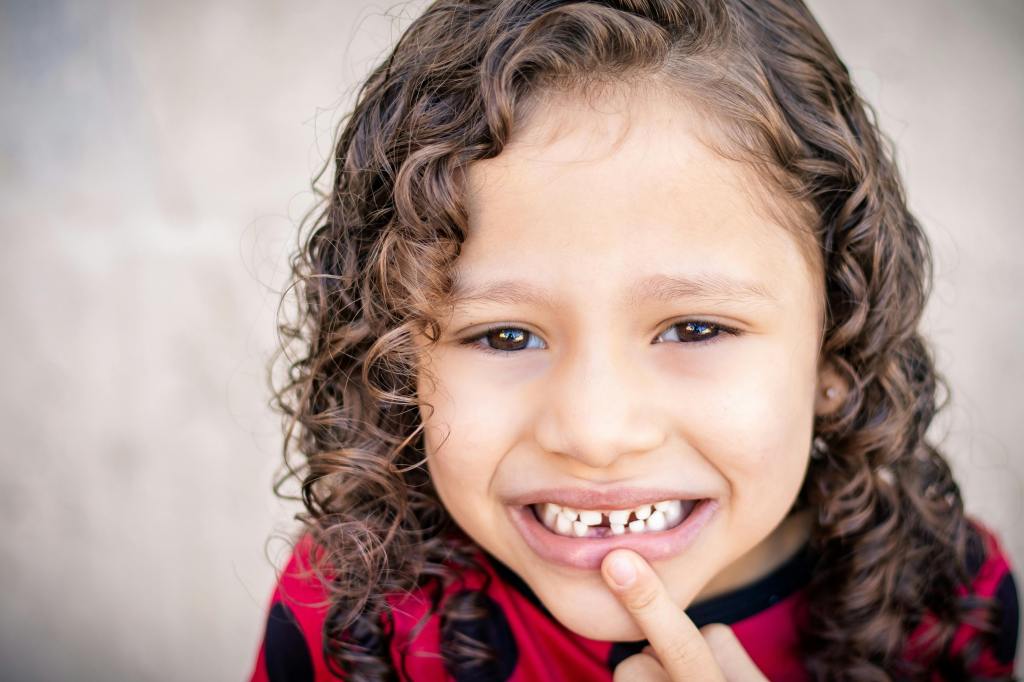
Daddy Says To Smile Pretty Since The Spots On My Front Teeth Are Better Than The One’s On My Back Teeth
You feel like you’re in a good place keeping up with your child’s twice a day tooth brushing routine. Flossing and brushing is going really well so you know what’s going on with their teeth and gums.
Then you notice there are some spots on their teeth which you didn’t notice before and you’re wondering what they are and why they’re there.
Thinking back to your child’s last dental check-up you remember hearing about the areas of hypoplasia on their teeth. Since they didn’t have any cavities you thought everything was all right.
Now you’re thinking, why does my child’s teeth have these spots and what caused them?
Today we’re breaking down the basics about the spots on children’s teeth which is called enamel hypoplasia.
Tooth Basics
Enamel is the hard outermost layer of teeth and the hardest substance in the human body.
Dental enamel needs to be hard because it forms an insulating barrier that protects the inner layers of the tooth from chewing and biting forces as well as sensitivity from hot and cold foods and drinks.
Dental Enamel Starts Developing Early
Around the time Mom’s are finding out that they are pregnant, tooth enamel is starting to form for baby teeth.
Tooth enamel continues to form as baby teeth develop during pregnancy. Around the time your baby is born the dental enamel begins to form for their adult teeth.
Adult tooth enamel continues to develop as these teeth form during early to middle childhood.
Any type of disruption to the enamel formation process will cause defects in the enamel, including hypoplasia.
What Is Hypoplasia?
Enamel hypoplasia is a developmental defect when tooth enamel doesn’t develop properly causing it to be too thin.
Enamel formation is a complex process of formation and timing. Any disruption leading up to the final step in completing the process can affect the thickness of the enamel layer.
What Causes Enamel Hypoplasia?
The enamel forming cells are precise and sensitive, so hypoplasia can affect a whole tooth, part of a tooth, some teeth, certain teeth or less commonly all the teeth.
Some factors which can cause hypoplastic teeth are ~
Premature birth,
Low birth weight,
Health concerns for Mom or Baby during pregnancy,
Health concerns for Baby after birth,
Failure to thrive, Malnutrition,
Certain bacterial or viral infections,
Dental trauma,
Fever,
Some early childhood diseases and/or chronic illness in the first few years of life,
Genetic conditions, such as Treacher Collins syndrome.
Does Enamel Hypoplasia Affect Baby Teeth And Adult Teeth?
Enamel hypoplasia can occur in both baby teeth and permanent teeth, depending on the timing of the disruption.
If enamel formation is disrupted during pregnancy, baby teeth can be affected with hypoplasia.
When the disruption occurs from birth through middle childhood, the permanent teeth which are developing at that time can be affected with hypoplasia.
We Thought The White Spots On My Teeth Were Supposed To Be There, They’re Called HypoplasiaMommy Says My Front Teeth Look Great But My Back Teeth Have HypoplasiaMy Dentist Told My Mommy And Daddy That I Have Hypoplasia On Alot Of My Teeth
What Are The Signs Of Enamel Hypoplasia?
When looking at your child’s teeth some signs to check for to see if they have hypoplastic teeth are ~
White spots on teeth,
Teeth with ridges, grooves or pits,
Stained teeth or teeth that look yellow, brown, or grayish because the enamel is thin and the underlying dentin layer which is yellowish in color shows through,
Sensitive teeth due to the thinness of the enamel and the dentin being close to the surface,
Excessive enamel wear or enamel fracturing off,
Teeth that look mis-shaped,
Teeth that look like they have cavities.
Do You Treat Enamel Hypoplasia?
Yes, teeth with enamel hypoplasia do need to be treated.
Even teeth with mild hypoplasia, which may initially be a cosmetic concern, needs to be monitored since they can go on to become a significant dental issue due to the thin enamel.
In addition, the thinness of the enamel places children with hypoplastic teeth at more of a risk for developing cavities faster, having increased sensitivity to hot and cold foods, increased risk for tooth damage, and can impact the position of their teeth and their bite.
How Do You Treat Teeth With Enamel Hypoplasia?
Treatment for teeth with enamel hypoplasia depends on the tooth’s location in the mouth (front tooth or back molar), as well as the extent and severity of the hypoplasia.
For hypoplastic teeth where there is purely an aesthetic concern without any other dental complications, cosmetic treatment options can include ~
Fluoride treatments to help strengthen the enamel,
Tooth bonding where tooth colored materials are applied over the thin enamel,
When your child is older and has passed their last growth spurt, other esthetic restorations are a consideration.
For hypoplastic teeth that are more seriously involved including molars, treatment considerations may include ~
Desensitizing toothpaste,
Dental sealants,
Fillings, tooth colored bonded fillings don’t bond well to teeth with defects in the enamel and can come off or chip the enamel more, so there may be other options depending on the specific tooth involved,
Dental crowns,
Other restorations when your child has completely finished growing,
Orthodontic consultation.
What Can We Do At Home To Help The Hypoplasia From Getting Worse?
Some helpful suggestions for at home care ~
Brush teeth for 2 minutes every morning and 2 minutes every night before bed,
Floss every night before brushing teeth,
Use an alcohol-free fluoride mouth rinse every night after flossing and brushing. You can place a small amount in a disposable cup (enough to cover their tooth brush bristles) and dip their tooth brush into the fluoride rinse, then brush their teeth for 1 minute. If your child is old enough to spit out (and not swallow) then watch them as they swish for 1 minute and then spit out the rinse,
After meals, snacks and drinks rinse their mouths with plain water,
Water is the best beverage, serve it routinely and encourage your child to drink water,
Choose healthy snacks and meals to stay on track with their dental health.
My Mommy And Daddy Thought I Have A Cavity, But It’s Called Enamel HypoplasiaMy Dentist Told My Parents The Spots On My Teeth Are Called Enamel HypoplasiaMy Dentist Always Checks My Teeth Really Well Since I Have Enamel HypoplasiaWe Have To Take Very Good Care Of Your Teeth So The Hypoplasia Doesn’t Get Worse
What To Remember
Taking care of teeth with enamel hypoplasia is super important.
This is important because these teeth simply don’t have a thick enough enamel layer to protect them from cavities as well as pain and sensitivity to hot and cold foods and beverages.
Teeth use each other as a guide for their positioning and alignment. Thin enamel doesn’t provide the support teeth need to stay in place, so these teeth are more susceptible to being misaligned which affects a child’s bite.
Your twice daily at home care routines, healthy choices for meals, snacks and beverages, and regular dental visits are a good place to start to help protect your child’s teeth especially when they have enamel hypoplasia.
My Mom Says The Spots On My Teeth Are Called Hypoplasia
Have you been told your child has enamel hypoplasia? Does your child have another defect involving their tooth enamel? Have you been told your child has a different defect involving their teeth? Tell us, We’d really like to know! Send us an email at kidstoothhotline@proton.me Like Us on Facebook
More tips? We have lots. We’re here just for kids!























 kidstoothhotline