Summer Tooth Tips For Your Family

In the Know for You to Know

Hello Summertime

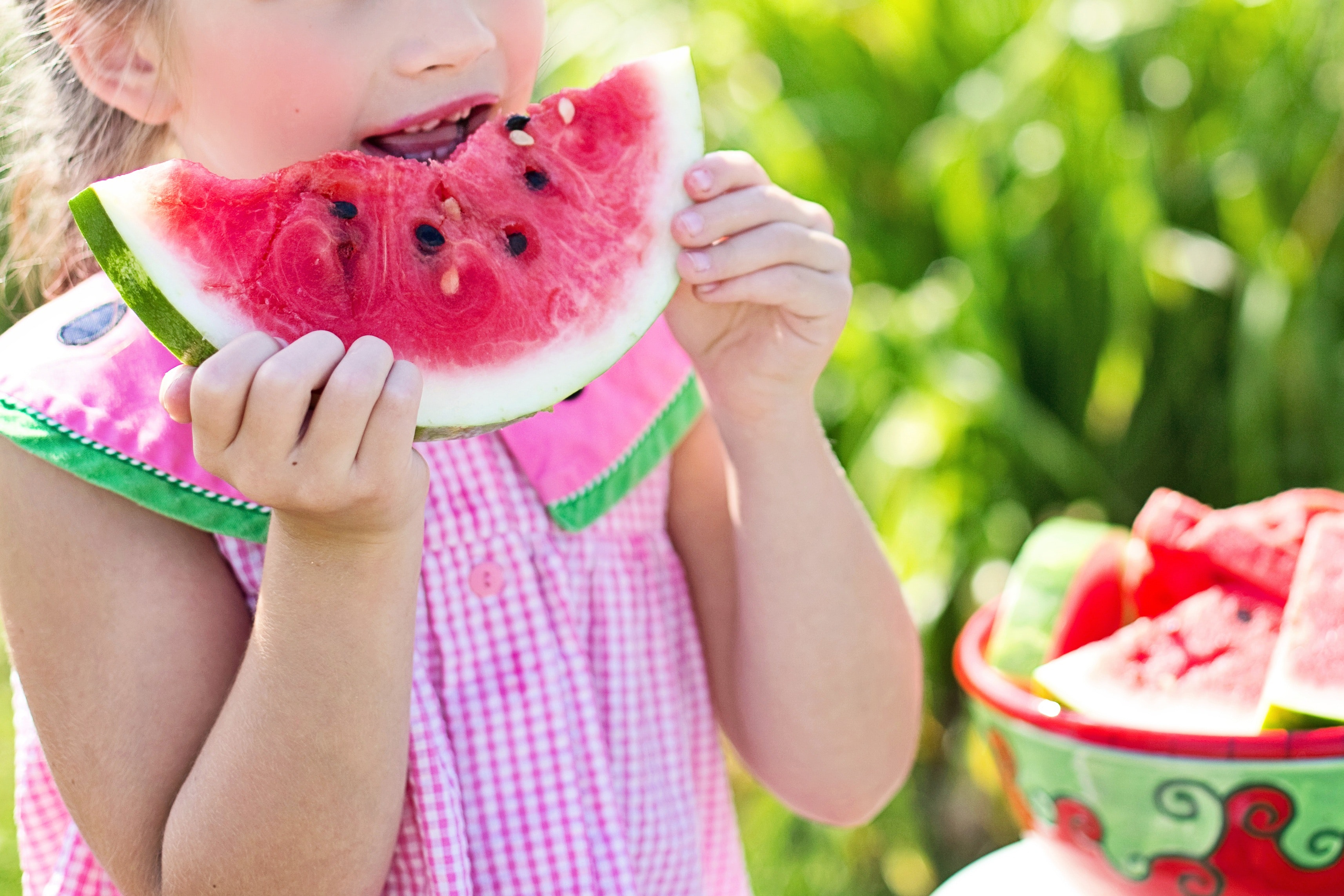
Summer is here and your family wants to have fun, fun, and more fun. Lazy days and yummy foods have been on your children’s minds since the count down to vacation began.

This is also a stressful time for you because you know what they want and you want to keep up their balanced diet and keep going with those good habits you’ve worked hard on.

So how do you indulge those eagerly awaited extra special delights and stay on track?

4 Bite Sized Tips For Healthy Summer Teeth

Keep up with your child’s routine

Whether you’re traveling, day tripping, planing a staycation or a trip to Grandma’s, put together a traveling dental kit. This way if schedule changes disrupt your good habits you can start up where you left off. Also remember that while bottles and sippy cups are good for comforting your child, don’t let them fall asleep with one in their mouth as it increases their risk for cavities.

Stick to your child’s healthy diet

Make those special foods and beverages more delicious when eaten with a healthy and balanced meal full of fresh fruit, veggies, whole grains, lean protein, water, and plain milk.

Indulge with care

Gooey, sticky and chewy are fun to eat, not so much to brush off teeth. Choose treats that are super smooth and slide off the teeth like chocolate bars without crunchies, italian water ices, and ice cream.

Make it fun

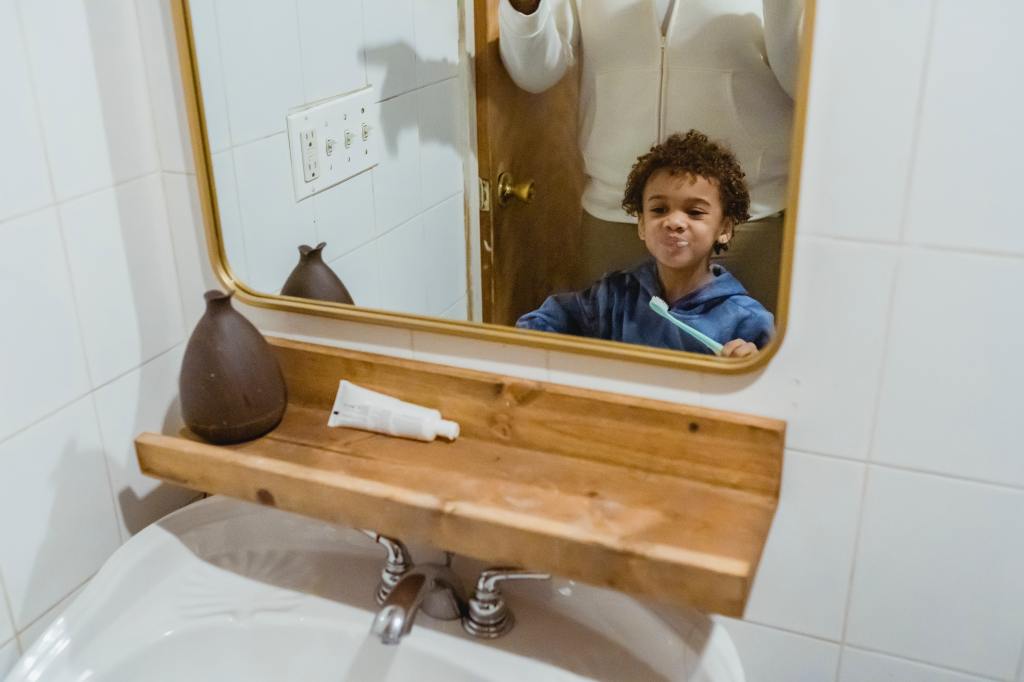
Vacation time is happy and new every year. This year tweak your consistent daily routines in a fun way. Try doing something to keep your child’s attention long enough for you to brush all their teeth, like – brushing and flossing together or have a brush-a-thon to your child’s favorite tunes. Children love stickers, so use a sticker chart and remember to be on the look out for their fun flavor toothpaste or a toothbrush with their favorite character.

Summer time is always a busy time for families. Being out of school with a steady stream of activities puts every day life on hold, including good tooth routines and habits.

If your good habits go haywire, pick up where you left off and help your child get back on track with their good brushing, flossing and healthy eating habits.

Enjoy your summer and make those amazing memories while at the same time protecting those beautiful smiles!

How do you keep up with your children’s brushing and flossing over the summer? What are your families favorite summer foods? We’d really like to know! Send us an email at kidstoothhotline@proton.me or Chat with us and Like Us on Facebook at facebook.com/kidstoothhotline

More tips? We have lots. We’re here just for kids!

Does Tongue Tie Go Away?

In the Know for You to Know

Mommy and Daddy Love That Now I Can Stick Out My Tongue

Tongue tie is a short muscle attachment under the tongue which may restrict tongue mobility and can cause potential difficulties for breastfeeding and speech.

In our last post we talked about recognizing tongue tie, and how the tie affects breast feeding and speech. Today we’re discussing Treatments for Tongue tie.

Some doctors may take a wait and see approach to evaluate if tongue tie goes away as in some milder cases. There are an increasing number of others who recommend prompt treatment to prevent ongoing feeding difficulties for an infant, or for an older child who has speech difficulties, dental problems, and social concerns. Most cases of tongue tie are treated as soon as they are diagnosed, and depending on the child’s age, it can be done either in the office or in the operating room.

Does Tongue Tie Go Away On Its Own?

Treating Tongue Tie

Tongue tie does not really go away on its own. Sometimes the tight tie may loosen slightly as the child’s mouth grows. For some as they get older they seek to accommodate to their limited tongue movement for chewing and speech. Nonetheless there are children who continue to experience difficulties with eating and speech.

Once a child has been examined and it’s decided that the best way to address the tie is to surgically alter the attachment, you may be referred to either an ENT (Ear Nose and Throat) Physician, an Oral Surgeon, or a Pediatric Dentist.

Tongue tie can be corrected in one of two surgical ways:

Frenotomy

The doctor examines the frenum and then snips it free with sterile scissors. The procedure is quick and usually there is little blood. Most times local anesthetic isn’t used because discomfort is minimal due to there being few nerve endings and blood vessels in the frenum. After the procedure, you stay for a while in the office while the baby breastfeeds. In this circumstance, the breast milk is for pain relief and as an antiseptic.

Frenuloplasty

On examination if the frenum is too thick for a frenotomy, a frenuloplasty, may be recommended. This procedure uses general anesthesia and surgical tools to free the tongue from the thick band of tissue in the bottom of the mouth. When the frenum is free the wound is closed with stitches that dissolve on their own within a couple of weeks. The child will most likely not need to stay in the hospital overnight, and will likely go home the same day as the operation. As with all surgeries there are possible complications and can include bleeding, infection, scarring, or damage to the tongue or salivary gland.

Follow-Up Care

After the procedure a follow-up appointment is usually scheduled between 5 and 7 days to check on healing in the treated area.

Your pediatrician may refer you to a speech therapist depending on how your child’s speech was affected by the tongue tie to overcome any articulation and enunciation problems.

The doctor who performed the procedure or your pediatrician may give your child simple exercises to help improve the full motion of their tongue.

Do you know a Mom who is having trouble with painful breastfeeding? Have you seen a child who is unable to stick their tongue out all the way or move it from side to side? Do you know someone whose child doesn’t want ice cream because they can’t lick the cone? Do you know a child who doesn’t want to be in the school band because they can’t play the wind instrument they want? Newborns, babies and children, tweens and adolescents can have tongue tie. Let us know if you know a family whose child has (or had) tongue tie and what they are doing (or did) to address the tie.. Send us an email at kidstoothhotline@protonmail.me Like Us on Facebook at www.facebook.com/kidstoothhotline

More tips? We have lots. We’re here just for kids!

Why Can’t I Brush The Yellow Off My Child’s Teeth

In the Know for You to Know

You love seeing your child’s beautiful pearly white teeth. The pure whiteness has you thinking to yourself those are the cutest teeth ever.

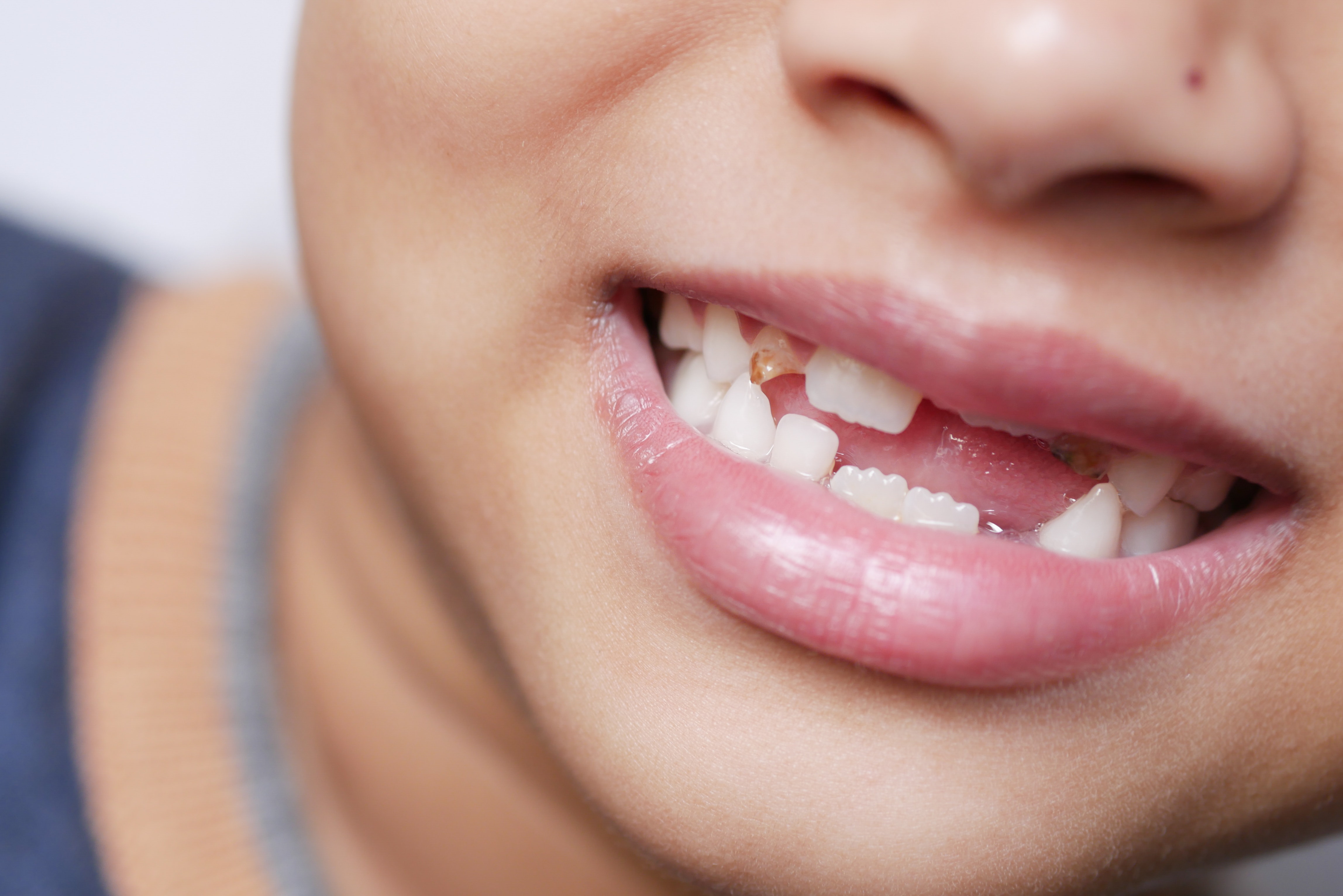
Then one day you notice not all their teeth are sparkling white, and in fact some look yellow. You’re thinking wait, when did that happen?

Well you’re in good company. The most common time as a parent you’ll ask about yellow teeth is when your child’s first adult teeth begin to appear.

Will All My Teeth Be Sparkly And Bright?

Baby Teeth Are White, Adult Teeth Are Not

Baby teeth are actually whiter than adult teeth. As your child gets older and their adult teeth start to come in you may see a noticeable difference in the color between the teeth. While baby teeth are more white, adult teeth tend to appear more yellower in color.

The color differences are due to the differences in the thicknesses and actual color hues of the tooth layers. Baby teeth have thinner and whiter layers so they appear more translucent. Adult teeth have thicker and different deeply colored layers so they appear more opaque.

When you’re looking at new adult teeth coming in next to baby teeth the difference is more eye-catching. As more of your child’s adult teeth come in the difference becomes less obvious.

Are There Other Reasons For Yellow Teeth?

There are lots of causes, however the 2 most common for baby teeth and adult teeth are cavities and tooth injuries.

Cavities start out as super white spots on teeth that over time cause the outer enamel shell to disintegrate leaving the inner layer of the tooth (aka dentin) exposed. This exposed part of the tooth is yellow, and that can’t be brushed back to white.

If your child injures their tooth the baby tooth can turn yellow or in rare cases the adult tooth can come in with a yellow spot.

As A Parent What Can You Do?

Talk with your child. School age children and teens have insecurities about their appearance, and their teeth are part of that. If you’ve noticed the yellow chances are they have also. Let them know that while lots of families deal with yellow teeth it’s something that you can take care of together.

Whether you’re dealing with yellow baby teeth or adult teeth be sure to keep up with your child’s daily brushing and flossing routine.

Have you wondered if it was normal for your child to have yellow teeth? What did you do about it? Share your tips with us, we’d really like to know. Email us at kidstoothhotline@protonmail.me Like us on Facebook at facebook.com/kidstoothhotline

More tips? We have lots. We’re here just for kids!

Overcoming Tooth Brushing Struggles For Children With Autism

In the Know for You to Know

Our Family Motto
Our Family Motto

For parents it’s all about finding creative ways to introduce and teach your child about tooth brushing and routine oral hygiene. Every child responds in their own way, and for children with Autism their reactions may be unforeseen because of communication challenges, or certain behavioral characteristics to new changes in routine and sensory sensitivities.

This is especially stressful for you when you’re trying to establish healthy dental hygiene habits and your child is overwhelmed by sounds, smells, tastes, textures, or flavors.

So what to do and where to start to overcome your tooth brushing struggles?

In our last post My Child Has Autism, How Can I Brush Their Teeth? we suggested 2 ideas. Creating a step by step picture guide book (aka story board) or an activity schedule. We included a step by step plan for you on how to assemble your own story board and activity sheet. Which one (or both) you choose, they are absolutely helpful and go a long way to establishing your daily routine.

Now that you have your story board or activity sheet ready to go it’s time for the next step–

Second, Let’s Practice

There are a lot of movements we make with our mouths when we brush, so it’s always good to practice.

1st, it’s great to start with opening wide, and staying open wide. Maybe you make it a game and count to see how long you can both stay open wide. Remember to use the phone timer to count those seconds.

2nd, let’s count teeth. How many teeth are in there? Yes you need to count all the way to the back so be sure to (you guessed it) stay open wide.

3rd, let’s brush. Put a dab of toothpaste on the brush, remember to open wide, and let’s brush those teeth slowly and gently. Maybe you can count teeth, sing a song, or use the phone timer to count. Remember your goal is 2Minutes 2X’s A Day.

For children who have taste or texture sensitivity, there are fluoride tooth pastes that come in different flavors (bubblegum, berry), or unflavored or non-foaming (sodium lauryl sulfate free). There are also choices for toothbrushes, such as a spinning or battery-powered toothbrush for children who like vibration.

4th, time to spit out the toothpaste. Spitting not happening? No problem, drooling out the toothpaste in the sink (or washcloth) and wiping with a wet washcloth is a good alternative, or skip the drooling and use the wet wash cloth.

Sometimes children need more assistance and more practice with brushing their teeth.

If brushing is challenging it may be the sensation is uncomfortable. If that’s the case then try showing the brushing on your finger first, then on their finger, then on the back of their hand, then on their lips, then just inside their mouth or pick the 2 front teeth (top or bottom their choice) and start with brushing those teeth.

Third, Help Your Child Learn The Steps For Toothbrushing

Your child’s age determines how much tooth paste goes on their brush. If they’re 3 years old and younger place a rice grain size of tooth paste on their brush. If they’re older than 3 years old place a peas size amount on their brush.

  • Brush the top front teeth (inside, outside, and chewing surfaces),
  • Brush the bottom front teeth (inside and outside),
  • Brush the bottom back teeth (outside, inside, and top surface),
  • Brush the top back teeth (inside, outside, and chewing surface),
  • Finally, brush all around and spit out the tooth paste.

Fourth, Develop A Reward System

Children adore receiving praise from their parents and parents are eager to show their pride in their child, so let your child know how proud of them you are.

You can also start a rewards system (such as a rewards jar or sticker book) to reinforce your pride and their positive behavior after toothbrushing is complete.

Medical and Dental Go Together

As parents you may be dealing with multiple pressing significant health issues for your child and you need to prioritize their needs. They may be taking medicines that are sugar flavored so that you can get them to take it. Going to bed with a bottle of a nutrition drink may be part of your nightly routine because your child needs to gain weight.

Please do not let their dental health take a back seat. It can be as easy as wiping their mouths, tongue and cheeks with a wet washcloth while you are holding them. Or alternating their bottle with water so they don’t fall asleep with the sugary liquid on their teeth even though you’re still wiping their teeth with a wash cloth. You can always slip in some water for them to drink during the day or begin by diluting their juice with 50% water then 75% water then 100% water.

Remember What’s Most Important

Lots of praise, hugs and smiles for both of you!

Tell us about your Story Board or Activity Sheet. How is brushing time for your family? What works for your family? Share your tip with us, we’d love to know. Email us at kidstoothhotline@protonmail.me Like Us on Facebook at facebook.com/kidstoothhotline.

More tips? We have lots. We’re here just for kids!

My Child Has Autism, How Can I Brush Their Teeth?

In the Know for You to Know

When Autism Speaks It's Time To Listen
When Autism Speaks It’s Time To Listen

As parents we are always looking out for our children, empowering and supporting them to achieve their best quality of life while also promoting acceptance, inclusion, and celebrating our differences. This is especially true for parents whose child has Autism or is on the Autism Spectrum.

Every child responds in their own way to events they encounter every day. For children with Autism their reactions may be unforeseen because of communication challenges, or certain behavioral characteristics such as difficulty with changes in routine and sensory sensitivities.

As a parent it can be difficult for you to look in your child’s mouth, let alone brush their teeth. For some it may be difficult to let you know their teeth are bothering them. Sometimes you notice habits like grinding their teeth, hitting their mouth and teeth, chewing on non-food objects, or eating sugary foods and drinks; which can affect their dental health.

This is also stressful for you when you’re trying to establish healthy dental hygiene habits and your child is overwhelmed by sounds, smells, tastes, textures, flavors, and your child becomes anxious.

So what to do and where to start?

First Focus On Introducing Your Home Dental Hygiene Routine

A calm place is a great way to start.

Create a step by step picture guide book (aka social story or story board) or an activity schedule. Either one or both are quite helpful and go a long way to establishing your routine.

When putting together your picture book you may want to start talking about why we have teeth. The answer is that teeth help us eat, talk and give us our smiles.

You can begin by yourself or include your child while you talk about brushing teeth as you cut and paste pictures, take family photos, or make drawings of each step of your routine.

Your guide book can include picture sections for:

Today we going to brush my teeth in the bathroom (insert picture or photo of a bathroom)These are the times we brush our teeth every day (pictures of clock with AM and PM times)I am going to stand in the bathroom in front of the bathroom sink (picture of bathroom sink)
My Mommy/Daddy will be in the bathroom with me and I will look at my Mommy/Daddy (picture of parent)
We are going to use a tooth brush to brush my teeth. This is my tooth brush, it’s soft (picture of your child’s tooth brush)
We are going to use dental floss to clean between my teeth. This is my dental floss (picture of your child’s dental floss)We are going to put tooth paste on my tooth brush. This is my toothpaste (picture of tooth paste on your child’s toothbrush)I need to open my mouth. I will open my mouth wide and stay open (picture of your child with their mouth open wide)I need to brush my teeth for 2 minutes. This is my timer to brush my teeth (picture of your child’s timer with 2 minutes showing)This is how Mommy/Daddy wash the tooth paste off my teeth (picture of a wet wash cloth or your child spitting into the sink)
I like this and I’m doing great (picture of smiles or thumbs up)Mommy/Daddy are flossing and brushing my teeth now (picture of flossing and brushing teeth), Then we’ll take the tooth paste off my teeth (picture of wash cloth or your child spitting into the sink)This is my tooth brushing timer counting down the 2 minutes I’m brushing my teeth (picture of their timer counting down)I did a great job (picture of you both smiling together)I may get a prize (recommended but this is up to you to decide about a small reward like a sticker, then take a picture with the sticker).

You may want to put together an activity sheet. To do this print out fun monthly calendar pages and include 2 boxes for each day of the month, 1 box to check off for AM brushing and 1 box for PM brushing and flossing (recommended but totally your decision when to include).

1
AM Brushing
PM Flossing
and Brushing
2
AM Brushing
PM Flossing
and Brushing
3
AM Brushing
PM Flossing
and Brushing
4
AM Brushing
PM Flossing
and Brushing
5
AM Brushing
PM Flossing
and Brushing
6
AM Brushing
PM Flossing
and Brushing
7
AM Brushing
PM Flossing
and Brushing
8
AM Brushing
PM Flossing
and Brushing
9
AM Brushing
PM Flossing
and Brushing
10
AM Brushing
PM Flossing
and Brushing
11
AM Brushing
PM Flossing
and Brushing
12
AM Brushing
PM Flossing
and Brushing
13
AM Brushing
PM Flossing
and Brushing
14
AM Brushing
PM Flossing
and Brushing
15
AM Brushing
PM Flossing
and Brushing
16
AM Brushing
PM Flossing
and Brushing
17
AM Brushing
PM Flossing
and Brushing
18
AM Brushing
PM Flossing
and Brushing
19
AM Brushing
PM Flossing
and Brushing
20
AM Brushing
PM Flossing
and Brushing
21
AM Brushing
PM Flossing
and Brushing
22
AM Brushing
PM Flossing
and Brushing
23
AM Brushing
PM Flossing
and Brushing
24
AM Brushing
PM Flossing
and Brushing
25
AM Brushing
PM Flossing
and Brushing
26
AM Brushing
PM Flossing
and Brushing
27
AM Brushing
PM Flossing
and Brushing
28
AM Brushing
PM Flossing
and Brushing
29
AM Brushing
PM Flossing
and Brushing
30
AM Brushing
PM Flossing
and Brushing
31
AM Brushing
PM Flossing
and Brushing

Sometimes this can take one sitting to complete or it may take several. What’s important is to keep going because when you’re done your creation is going to be AMAZING!

For now start putting together your family’s picture guide book and/or activity sheet, so that you’re ready for next week’s post when we discuss steps 2 through 4.

What are your suggestions for the picture guide book or activity sheet? We’d really love to know. Email us at kidstoothhotline@protonmail.me Like Us on Facebook at www.facebook.com/kidstoothhotline.

More tips? We have lots. We’re here just for kids!
My Child Has A Cavity? Are You Kidding? They Won’t Sit For That

In the Know for You To Know

We Did Great At Our Dentist Appointment

We Did Great At Our Dentist Appointment

You want your child to feel calm, comfortable and confident. Pediatric Dentists understand children’s needs and have designed their offices to make your child feel relaxed and special.

Sometimes, however there is a procedure your child needs that can make them feel anxious before or during treatment. Your child may need more support than a gentle, caring manner to feel comfortable. Nitrous Oxide (aka Laughing Gas) is a safe, effective remedy that is used to calm a child’s fears and enhance their ability to receive their dental treatment.

What is Nitrous Oxide?

Nitrous Oxide is a blended mixture of two gases, oxygen and nitrous oxide. A specially designed nose mask is placed over your child’s nose which allows them to breath in this mixture. It is carefully adjusted and monitored so that your child receives the right amount to make them feel happy, calm and comfortable. This is not a sedative, so your child never “goes to sleep.”

How does my child feel when breathing Nitrous Oxide?

The nose mask comes in a variety of scented flavors. Imagine having your choice of bubblegum, strawberry, orange, cherry, vanilla, plain or mint.

Your child will smell the sweet aroma and experience a sense of relaxation. They may also feel a sense of silliness and happiness. They may happily laugh. This is why this is often called “laughing gas.” Children sometimes say they feel silly or giggly and that their arms and legs feel “tingly.”

How safe is Laughing Gas?

Very safe, and well tolerated. It has a rapid onset, is reversible, can be adjusted to meet specific needs, and is non-allergenic. Your child is fully conscious, awake and aware of their surroundings when breathing Laughing Gas; and they are able to communicate at all times.

Laughing gas is considered safe for children by the American Academy of Pediatric Dentistry and American Academy of Pediatrics.

Laughing gas is administered by trained Pediatric Dentists and your child is monitored throughout the entire procedure for their safety.

Are there any Special Instructions?

First, it is recommended that your child have nothing to eat or drink for four hours before their appointment. This is so that your child will not become nauseous or vomit, which can happen with a full stomach. Bring something for them to drink after the procedure.

Second, if your child starts coughing, sneezing, develops a runny nose, is congested, or gets sick it’s better to reschedule your appointment.

Third, call your Pediatric Dentist if your child begins taking any medicine with in five days of your appointment to talk about the medicine.

Will this be effective for my Child?

Laughing Gas is safe and effective. Not all children are alike, so this is tailored to your child as an individual.

Before your treatment appointment your Pediatric Dentist will discuss with you any risks or concerns as they relate to your child.

In addition, Pediatric Dentists are very receptive and always happy to talk with you about your questions or concerns. All you have to do is ask.

Has your child had Laughing Gas for their dental treatment? Did you find it helpful? We’d really like to know. Email us at kidstoothhotline@protonmail.me Like Us on Facebook at facebook.com/kidstoothhotline

More tips? We have lots. We’re here just for kids!

Parent’s Check List For Healthy Toddler Teeth

In the Know for You to Know

Did you know that you are your child’s 1st dental health model?

You are. This is because good dental health for children starts with good habits at home. As parents you play an important role in developing healthy behaviors for your child at a young age, and that’s important for lifelong well-being.

Brushing Teeth Like My Daddy

So how do you guide your child toward positive oral healthcare?

Here are some tips you’ll find helpful —

Dental Healthcare Tips For Your Child’s Toddler And Preschool Years

  • Show your toddler how to brush their teeth by letting them watch you. Use a small soft bristle toothbrush with a flexible head with a rice grain size amount of fluoride toothpaste.
  • Think of the mouth like a clock, start on the top right brushing from the back to the front of their mouth. As you go around brush the cheek side, then lift their lip to brush the front teeth and then back to the cheek side. Then brush the roof of the mouth side and the tongue side. Brush the chewing and biting surfaces last.
  • Begin a regular flossing routine. The best time to start is when your child has 2 teeth that are touching, and floss all their teeth before brushing. Flossing before brushing is a really good idea, so dislodged food particles can be washed away during brushing. A fun easy way to floss is with either the hand held flossers in cool colors and shapes or with waxed child-friendly flavored floss.
  • Start a routine by selecting a consistent time every night to floss and brush. Try 30 minutes before bed time every night. When you’re finished it’s a good time for cuddling or reading.
  • Begin a small reward system. Toddlers respond well to positive reinforcement. Think about small rewards like stickers, extra snuggle time or reading an extra story with them after brushing and before it’s light’s out for bed. This goes a long way to having an enjoyable night every night.
Our New Nightly Toothbrushing Saying - I Can and I Will
Our New Nightly Toothbrushing Saying – I Can and I Will

Don’t lose sight of your short term goals and the long term prize. Your goals get you to your prize which is life long dental health for your family. Also remember to have fun. Children love to have fun, so have fun with your child as you install in them good dental health habits that will last them a life time.

What’s your dental hack? Share your tip, we’d love to know. Email us at kidstoothhotline@protonmail.me Like Us on Facebook at facebook.com/ kidstoothhotline.

More tips? We have lots. We’re here just for kids!
My Child’s Medicine Can Affect Their Teeth? Really?

In the Know for You to Know

Yes really.

I Know My Daughter Likes The Taste Of Her Medicine

You know why your child asks for that pink or grape medicine when they’re sick, it’s because it tastes so good. The medicine tastes so good, and they’ll take it without a peep because of the sugar flavors which are added to the medicine.

There are also other medicines like asthma medicines, antihistamines and allergy medicines which can cause dry mouth by lowering the amount of saliva in the mouth. Saliva is important because it plays a part in helping to prevent cavities.

Whether your child needs to take medicine every day or is on a limited 7 or 10 day course here’s a few things to know —

Child-friendly Flavors

Depending on your child’s age and preference the top 6 medicine flavors are: Bubblegum, Grape, Cherry, Mint, Banana, and Vanilla.

My Children Always Ask For The Banana Flavor

If sugar free is available, ask your pharmacist if that flavor contains Xylitol. Xylitol is a sugar substitute and tooth friendly.

Medicine, Sugar and Teeth

Many of the medications contain sugar or sugar syrups to sweeten the taste. The longer and more frequently your child’s teeth are exposed to sugar, the greater the risk of cavities.

Another concern is that these sugared medicines are most often given right at nap time or bed time, which is when there is also a naturally occurring drop in saliva in the mouth.

Medicine, Dry Mouth, Saliva and Teeth

Asthma inhalers, nebulizers, antihistamines and allergy medicines decrease the amount of saliva in the mouth. They do this by decreasing the amount of saliva that is made by the glands.

These medicines are usually used ongoing leading to less saliva being produced so there is less saliva in the mouth, which is commonly referred to as dry mouth.

Saliva protects and coats the teeth while also washing away food particles and sugary liquids. When there is less saliva there is less protection for the teeth.

What’s A Parent To Do?

I’ve put together 3 suggestions which can help —

  • Give your child their liquid medicine between finishing a meal and nap time or bed time. This way you can brush their teeth after the medicine or use a wash cloth to wipe their mouth and teeth. Keep up with your regular brushing routine.
  • If your child has asthma you can rinse their mouth with water after their breathing treatment or using their inhaler. Then you can brush on your regular schedule.
  • Speak with your pharmacist about sugar free medicine options.

Rest assured you are doing your best and your child needs their medicine.

What’s your child’s favorite flavor? What are your hacks? We’d really like to hear from you!

Send us an email at kidstoothhotline@proton.me or Like Us on Facebook at facebook.com/kidstoothhotline

More tips? We have lots. We’re here just for kids!

Sippy Cups Are For Kids, What About Their Teeth?

In the Know for You to Know

My Mommy Is Helping Me Drink From My Sippy Cup

You’ve been waiting for this day, your baby has started eating solid foods and is drinking from a cup.

Well maybe not from a regular cup right now, but you’re introducing them to drinking from a no spill training cup. These training cups are also affectionately know as sippy cups.

Children grow to love their sippy cup, but there are a few things you should know about them.

Benefits Of Drinking From A Cup

Pediatricians and Pediatric Dentists stress the benefits of teaching your child to drink from a cup.

1st is to transition from sucking to sipping.

2nd, is that ongoing feeding from a bottle can lead early childhood cavities, which occur when a child’s teeth are constantly bathed in milk, formula, juice or other drinks.

3rd, is that drinking from a cup also helps these little mouths strengthen their smiling muscles.

The Right Cup To Choose

Sippy cups come in a variety of styles. Some have a lid with a wide spout, some have a straw, and some have a one way valve inside the lid to prevent spills.

Cups with valves may sound great but the children have to suck on the spout to get any liquid to come up from the cup and this is just like drinking from a baby bottle.

There are some parents who make their own sippy cups, where they offer their child a regular open cup with or without a straw.

If you choose a sippy cup it’s better to choose one without a valve. The cup should have a snap-on or screw-on lid with a simple spout. Also look for a sippy cup with two handles to help those little hands hold the cup easier. There are some cups that have a weighted base which helps to pull them back upright when they tip over, which is great for helping to minimize spills.

My Mom is Helping Me Learn To Drink From A Cup

Healthy Beverages For Your Child’s Sippy Cup

Plain water is the healthiest drink, plus the fluoride in your tap water helps prevent cavities. P.S. fluoride is safe for children.

Plain milk is also a good choice, but remember milk also has natural sugars so it’s best to offer in small portions with a meal. This way the food and saliva help to dilute and wash away the sugar.

Flavored milks, juices (even 100% juice) and carbonated drinks have added sugars which cause cavities.

No Carrying Around The Sippy Cup My Dear Toddler

Don’t let your child carry the sippy cup around. Toddlers are often unsteady on their feet. It’s a risk if they try to walk and drink at the same time. Falling while drinking from the sippy cup has the potential to injure their mouth.

No Sippy Cups To Bed Is Best But If You Have To

When nap time and bed time come, don’t let your child go to bed with their sippy cup unless it’s filled with plain water. Sugary drinks sit in their mouths during sleep giving their teeth a sugar bath which can lead to cavities.

Congratulations, introducing a sippy cup is a huge step and worthy of a celebration!

What is your sippy cup story? Do you have a tip or a trick that made your child’s and your journey easier or more fun? Tell us, we’d really like to know. Send us an email at
kidstoothhotline@proton.me Like Us on Facebook at facebook.com/kidstoothhotline

More tips? We have lots. We’re here just for kids!


Why Is My Teenager Grinding Their Teeth?

In the Know for You to Know

You know what it’s like, the house is quiet, your teenager is finally sleeping, and then you hear that nightly nails on a chalk board sound coming from their bedroom. You’re thinking to yourself “Not again, what is going on?”

Teeth grinding is also called clenching or Bruxism, and is quite common especially for teenagers. So what’s a parent to do? The good news is that most teens will stop their teeth grinding habit on their own, so there’s no cause for worry.

But you’re thinking, “What do I do to stop this?”

Grinding My Teeth At Night Wakes Me Up So I Fall Asleep Studying

What Causes Grinding?

You may be worried that your teen is afraid of something, is anxious, stressed, can’t sleep, or is having a nightmare. For some tweens and teens it may be because they are deeply concentrating on something.

However, it can be that their adult teeth are still coming in or their wisdom teeth are pushing against other teeth. When this occurs they try to compensate for the pressure they’re feeling and make their teeth match up.

Sometimes teens grind their teeth because they are deep sleepers. So even if you wake them up, the grinding will continue as they fall back asleep.

This Is Me When I Wake-up After Grinding My Teeth At Night

Is Grinding A Concern?

Sometimes grinding may persist, and you’re noticing that their teeth don’t have the same shape they did before, or they may look flatter. You may notice chips or cracks on teeth, they may complain about having a lot of headaches, or ear pain, or tenderness around their jaw joint (aka temporomandibular joint or tmj) or their neck muscles.

Depending on the dental age your tween or teen is, your pediatric dentist may not recommend a mouth piece (aka mouth guard) as it can affect how their teeth come into their mouth.

If your child snores that can cause them to grind their teeth and this is something to let your pediatrician know.

Sometimes teeth grinding can be due to pain from an ear infection, this is also something to talk with your pediatrician about.

What Can Parents Do?

As children become tweens and teens they tend to get more stressed out about things, which can show up as grinding during sleep. When they grind their teeth during sleep they aren’t getting the healthy restful sleep they need. Knowing how to respond to our children’s stressors is what helps us to help them.

Alleviating anxiety and stress may mean trying some exercise, looking into finding a hobby, deep breathing exercises, or yoga.

During the day your tween and teen may need to remind themselves to relax, open their mouths and smile. This way their top and bottom teeth aren’t touching so they aren’t grinding. Giving up chewing gum (or at least decreasing its frequency) may also help.

Try starting a relaxing pre-bedtime routine. A warm bath or shower, relaxing music, deep breaths or a good book and putting the phone away may help your child fall asleep in a more calm and relaxed way.

If their jaw or neck muscles hurt, you can give them a warm wet compress to hold to the area that bothers them to relieve the tension in these muscles.

Is There A Cure For Grinding?

For tweens and teens it may be a change in routine to help decrease stress and learning to relax their muscles.

You and your teen can think about establishing a routine to set the stage for peaceful quiet time to encourage healthy sleep and help your child feel relaxed at bedtime.

What approaches have you tried for your tweens and teens teeth grinding? We’d love to know your ideas, what you’ve tried, what’s working for you, what hasn’t worked. Email us at kidstoothhotline@proton.me Like us or Message us on Facebook at www.facebook.com/kidstoothhotline

More tips? We have lots. We’re here just for kids!