
In the Know for You to Know
Whether you’re a new mom or a mom of a teen, there’s always something new to learn. This is especially true when navigating your child’s dental health.
Who knew teeth were so complicated?
Did you know? I for sure didn’t know this before dental school.
So I’ve put together some “Did you know?” tips to help guide you through your child’s dental milestones.
Did You Know you should lift your baby’s lips when you’re cleaning their front teeth?
Lifting your baby’s lips does 2 things:
- You’re cleaning their teeth more effectively,
- You can see changes in color, lines or spots on your child’s teeth; which can be signs of potential problems.
Did You Know that flossing is equally important as tooth brushing?
Honestly not many adults enjoy flossing. But it really is essential for healthy teeth and gums. Start flossing your child’s teeth when they’re young and you’ll create a life long healthy habit for them.


Did You Know sippy cups aren’t the best for your child’s teeth?
Why? 2 reasons:
- Sippy cups allow teeth to constantly be in contact with sugars and acids in drinks, especially those found in fruit juices and milk. This prolonged exposure can lead to tooth decay.
- They can cause oral development and speech pattern issues if the cup is used to long. Prolonged use of sippy cups can cause improper tongue tip development, which is crucial for speech development.
Did You Know I have a few favorite questions I’m always happy to have parents ask me?
My favorite is, “What should we be doing next?” I love being asked this so we can discuss for example their child’s dental milestones, or how teeth affect speech development.
Parenting is hard, so being present and helpful is extra important when a parent can actually find a little time to plan ahead.
Did You Know how much breakfast matters?
Toddler to teenager, start your child’s day off with a delicious healthy breakfast. Did you know this limits their cravings for sweets later in the day?


Did You Know there are 5 possible causes why a child’s teeth can be sensitive?
The most common causes of tooth sensitivity are:
- Permanent tooth coming into their mouth,
- Chipped or cracked tooth,
- Brushing to hard which can lead to tooth enamel wearing away and the gums moving away,
- Cavity,
- Sinus concerns can cause their top teeth to be sensitive.
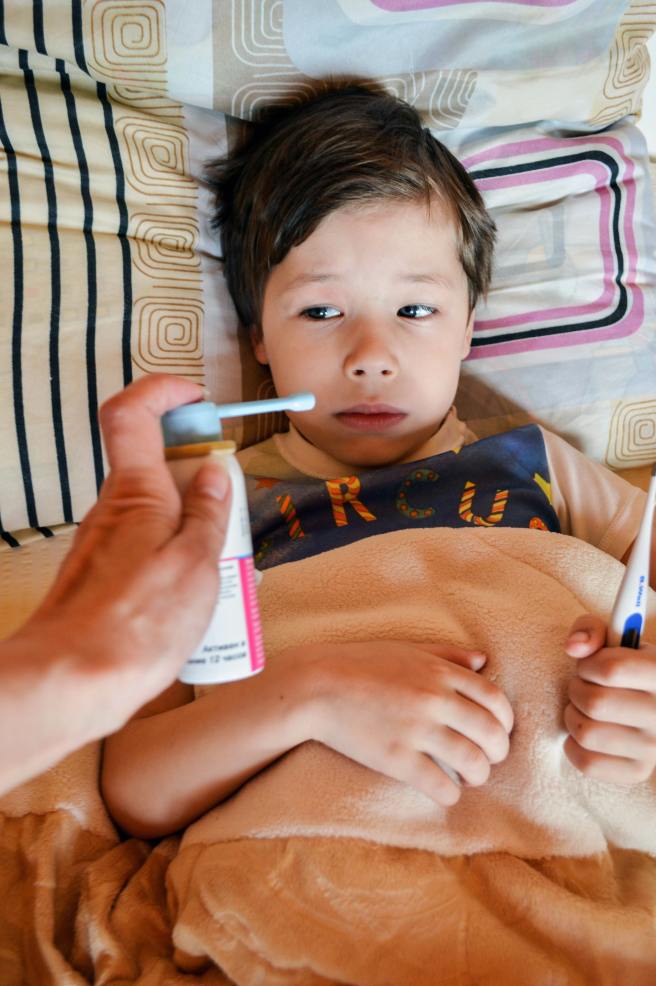
Did You Know that medicines can have added sugars and some medicines cause dry mouth?
Your child still needs to take their medicine. It’s important to know this puts them at risk for tooth decay.
This is because:
- Sugar is added to some medicines to make them taste better,
- Medicines used to treat cerebral palsy, seizures and mental health challenges and conditions can cause dry mouth by lowering the amount of saliva in the mouth,
- Saliva plays an important role in preventing tooth decay,
- Medicines given to children who have asthma or allergies can also cause dry mouth.
Did You Know not all adolescents and young adults have their wisdom teeth removed?
That’s right, some have the space in their mouth for these teeth to come in fully. These teeth still need to be monitored just like their other teeth. Tooth brushing and flossing around wisdom teeth is important because the potential for cavities still exists in the same way as for their other teeth.


Did You Know about the Tell-Show-Do technique?
The Tell-Show-Do technique is a step by step approach in pediatric dentistry which helps alleviate anxiety, builds trust, and allows children to feel more involved and informed during their dental appointments.
How does this work? Before performing any procedure, your dentist explains the purpose of their visit to your child, shows them the instruments (and allows them to touch) , and then proceeds with the treatment.
This approach is a great way to make children of all ages, toddlers to teens to young adults feel more at ease and comfortable at the dentist.

As a parent I understand, parenting is hard. What’s frustrating as a parent is that you don’t know until you know. So rest assured, no question is silly and no question is too small or too big. Did you know? It’s always okay to ask.

What pediatric dental question have you been wanting to ask? Has anyone explained to you what to expect for your child’s dental growth over the next 6 months? If you don’t have a pediatric dentist, do you know where to find one for your child? Tell us, We’d really like to know! Send us an email at kidstoothhotline@proton.me Like Us on Facebook

More tips? We have lots. We’re here just for kids!