As a Mom and a Pediatric Dentist, February is one of the nicest times, when I have heart felt conversations about the importance of children’s oral health.
Talking with you as one parent to another, and giving you these nuggets of powerful information helps you realize how important it’s to start your children early for a lifetime of good oral health.
Truth be told, keeping your child’s teeth healthy isn’t only a 1 month job. It’s something parents and caregivers work on each and every day.
Today I’m shining the light on the importance of starting oral health care early in your child’s life.
Why It Matters
Early oral care and daily habits matter from the very start.
Tooth decay is the most common preventable chronic disease in children. When left untreated, it can cause infection, trouble eating or sleeping, missed school days, and long term health issues.
Schedule your child’s first pediatric dental appointment by their 1st birthday or within 6 months of their first tooth erupting into their mouth.
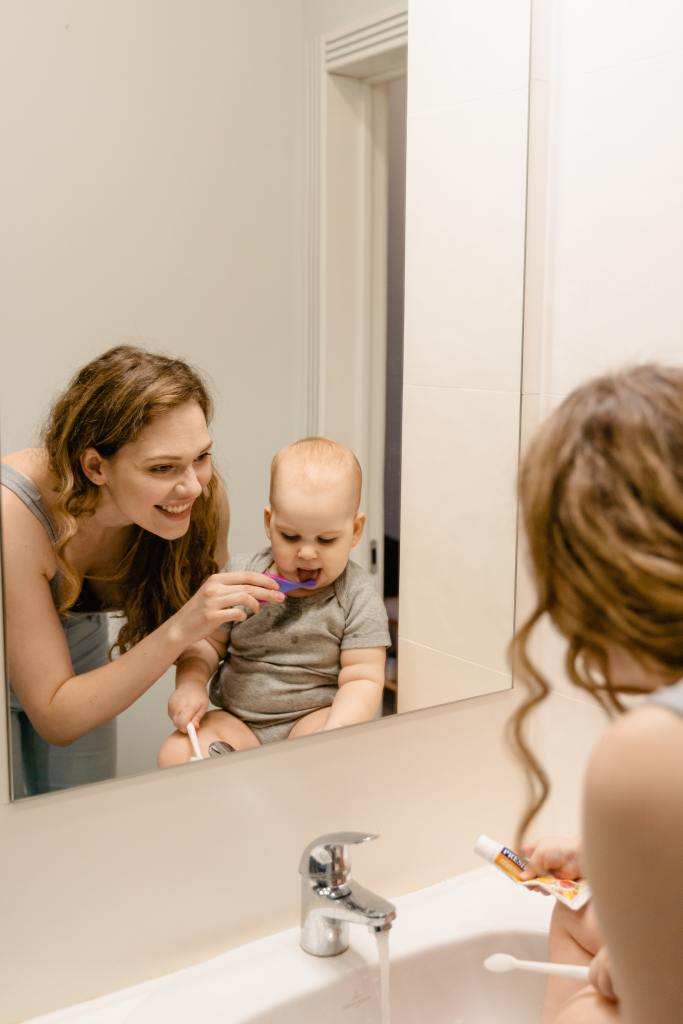
Daily routines and at home habits are important to start at a young age. Clean gums before teeth come in with a soft cloth. Transition to a soft toothbrush when their first tooth appears. Use a rice grain size of fluoridated toothpaste to help prevent cavities.
Your child’s diet impacts their teeth more than you realize. It’s important to avoid putting your child to bed with a bottle. If that’s the only way they’ll go to sleep only put water in their bottle.
What To Remember
Healthy teeth play a big role in your child’s health and well being. Three simple habits make all the difference:
First dental visit by their 1st birthday or within 6 months of their first tooth coming into their mouth.
No teeth, use a soft cloth to wipe their gums and transition to a soft toothbrush with fluoridated toothpaste when their first tooth comes into their mouth.
Diet impacts your child’s teeth more than you realize.
While February is a great reminder of how we need to focus on our children’s teeth, children’s oral health matters every month. By starting good oral healthcare habits at an early age you can help prevent problems as they grow.
How old was your child when they had their first dental appointment? How old was your child when you started to brush their teeth? Did they go to bed with a bottle? Tell Us, We’d really like to know! Send us an email at kidstoothhotline@proton.me Like Us on Facebook
More tips? We have lots. We’re here just for kids!
The sheer mention of the Tooth Fairy brings out joy and excitement in all of us. No matter if your child is about to lose their first tooth or you’re a pro the thought of a visit sparks amazing anticipation.
The slightest suggestion of a visit from the Tooth Fairy causes such happiness and wonder that a special day has been set aside to honor our tooth loving friend. And that day is tomorrow.
Yes tomorrow, February 28th is Tooth Fairy Day.
And the best way to celebrate the very last day of National Children’s Dental Health Month is the Tooth Fairy!
Who Is The Tooth Fairy?
The Tooth Fairy is a magical fairy who visits children when they lose a tooth and may leave them a gift.
A Poem From The Tooth Fairy
As pediatric dentists we are very close friends with the Tooth Fairy. So close in fact that she’s written a poem for us to share with you and your child on her special day ~
My Dearest Friend,
I saw you wiggling in your mouth and knew a tooth would soon be mine
You kept it close thinking you'd stay up all night long
Then you drifted off to sleep and I began my fairy flight
So into your bedroom I did come upon my fairy wings
When I took a peek I found my favorite thing
Now off I go, I have to dash
I hope you'll send me other teeth but there is no big rush
And remember my dearest friend, every time you lose a tooth another takes its place for you to floss and brush
Most Sincerely,
Your friend in teeth,
The Tooth Fairy
When To Anticipate Your Child’s First Tooth Fairy Visit
Losing baby teeth is a super exciting time for children. Their baby teeth will begin to get looser and looser, eventually falling out, and be replaced by underlying adult teeth.
This usually begins around 6-7 years old for most children. However, some parents may start seeing loose baby teeth as early as 4 1/2 years old.
There are 2 things we often see that are helpful for you as a parent to know ~
The earlier baby teeth come in, the earlier the Tooth Fairy visits.
Girl’s teeth may come in a little earlier than boy’s teeth.
Sweet Dreams About The Tooth Fairy With My Tooth Tucked Under My PillowMom, My Tooth Is Wiggly!I Have 2 Wiggly Teeth And I Can’t Wait For The Tooth Fairy To Visit
Tips For Celebrating ATooth Fairy Visit
Some fun tips to prepare for your child’s Tooth Fairy visit ~
Make a Tooth Fairy pillow or door hanger with a pocket to hold their tooth ready for Tooth Fairy pickup.
Your child can write a letter to the Tooth Fairy, and sometimes she answers that letter and includes some of her magical fairy glitter.
Money may be expected, sometimes though the Tooth Fairy leaves a tooth friendly gift that she would really like your child to use. Since this gift is from the Tooth Fairy it gives your child extra encouragement to use this.
You may feel that you want to give your child a money gift. Sparkles and money may be the way to go. Place your gift in a home made decorated envelop and add some magical tooth fairy glitter.
The Tooth Fairy always has her trusty wand to help scoop up those precious teeth. Sometimes a tired Tooth Fairy may leave behind her wand and it gets found in their bedroom the next day.
Keep a Tooth Fairy journal to write about how they lost their teeth, how old they were, the present they received, and what they did with their prize.
Reinforce positive oral hygiene habits with the Tooth Fairy as a way to achieve this; because the Tooth Fairy (like Santa) always knows.
Think about creating your own family traditions and customs knowing the magic and excitement of the tradition will likely be more important to your child than the amount.
The Tooth Fairy Is Always Welcome At Our Home
Tooth Fairy Day Is So Nice, We Celebrate Twice
We celebrate Tooth Fairy Day twice a year, on February 28th and August 22nd.
The Tooth Fairy is one of the most powerful tools as a parent you can have to teach your child about oral health, and have fun at the same time.
You can also use the Tooth Fairy as a reminder to reinforce these good habits.
So why 2 special days? Only the Tooth Fairy knows!
What To Remember
Today you can remember your own joyful memories of your Tooth Fairy visits, when your newly lost tooth was exchanged for a surprise when you looked under your pillow the next morning. Sharing and passing along these memories with your children is a priceless way to create new and endearing memories for both of you.
Happy Tooth Fairy Day!
How does your family prepare for your Tooth Fairy visit? What treasure does your Tooth Fairy leave? What do you think the Tooth Fairy does with the teeth she gathers up each night? Tell us We’d really like to know! Send us an email at kidstoothhotline@protonmail.me Like Us on facebook at www.facebook.com/kidstoothhotline
The Tooth Fairy Came To My House Last Night
More tips? We have lots. We’re here just for kids!
My Mom And Dad Said YES To The Tooth Truths And Look At Me Now
Fluoride is a little mineral with big tooth benefits. It works to strengthen tooth enamel, fight tooth decay (aka cavities) and keep smiles shining bright.
With all its benefits fluoride still sparks differences of opinion. Even now-a-days old wives tales still persist.
Today we’re taking an up front look at those tales and seeing how they stack up to the truths about fluoride.
Do I Need This Much Toothpaste?My Mom And Dad Always Make Sure I Drink My WaterThank You For My Beautiful Healthy Smile
Tale: Fluoride isn’t natural and isn’t safe for children.
Truth: Fluoride is a mineral which occurs naturally in water and in many foods. Like other nutrients fluoride is safe in the appropriate amount.
The amount of fluoride in water, toothpaste and professional fluoride treatments are well below toxic levels, and are carefully regulated to insure safety.

Tale: Well water has no fluoride
Truth: Some wells have too little fluoride while others have too much. Bottled, filtered, spring, and well waters all vary in their fluoride amount. It’s important to have the water from your well tested for fluoride every year.
If you’re not sure if you have well water or town/city water, check with the local water company. If you know your town or city supplies your drinking water you can also check the fluoride level by calling them.

Tale: Fluoride shouldn’t be used because it causes fluorosis.
Truth: Fluorosis is chalky white spots on teeth. This is typically mild and occurs when young children consume too much fluoride when their teeth are developing.
This is preventable. It’s important to use the correct amount of fluoride toothpaste and to always supervise your child’s toothbrushing so they don’t swallow the good tasting toothpaste.

Tale: Children’s teeth are fine, they don’t need fluoride.
Truth: Fluoride helps prevent tooth decay and makes your
child's teeth stronger. We all have bacteria in our mouth that combines with sugars from food and drinks to make acid. The acid harms the outer layer of the tooth (aka enamel). Fluoride protects teeth from being damaged by the acid and helps rebuild tooth enamel.

Tale: Children don’t need fluoride once their adult teeth come in.
Truth: It’s not just baby teeth, all teeth benefit from fluoride. Like children, parent's teeth also benefit from fluoride’s ability to protect tooth enamel and repair early stages of tooth decay.

What To Remember
As pediatric dentist’s we want to help you with your goal of preventing cavities and promoting good dental health for your child.

Fluoride is safe, effective and easy to include in your child’s daily routine. With little or no fluoride, the teeth aren’t able to resist cavities. By adding fluoride to water, the cavity rate has decreased by 50-70%.

But the amount has to be correct. All it takes is a small amount of fluoride for the maximum benefit.

What’s your take on fluoride? Do you have too much, too little or just the right amount of fluoride in your water? Tell us, We’d really like to know! Send us a email to kidstoothhotline@proton.me  Like Us on Facebook

More tips? We have lots. We’re here just for kids!
Grandma Always Watches Me Brush My TeethThe Best Way To Drink WaterThis Is The Way My Mom And I Like To Drink Our WaterWe’re Teeth StrongMom’s Helping Me With My Homework Like She Helps Me Brush My TeethSay YES to Tooth TruthsThe Best Drink
There I was, a brand new pediatric dentist. I was ready to take the on the world and stop cavities. Fluoride was my super power to halt cavities before they started.
I was examining a 3 1/2 year old girl who lived in a town with fluoridated water, but she was drinking bottled water. When I asked why bottled water, her Mom asked me 2 questions.
These 2 questions are the top 2 on practically every parent’s mind when fluoride is mentioned. Why is fluoride is so important? and Do I need worry about my child drinking water with fluoride?
Fluoride can spark some differences of opinion. Today, we’re discussing fluoride basics, why fluoride is safe and its importance for protecting children’s teeth against tooth decay (aka cavities).
What Is Fluoride?
Fluoride is a naturally occurring mineral that helps strengthen tooth enamel and prevent cavities.
Fluoride can be found naturally in water, soil, air and some foods.
Why Is Fluoride Important?
Fluoride is one of the best and safest ways to prevent cavities for children.
How Does Fluoride Work?
Your mouth contains bacteria that feed on the sugars in the foods we eat and the beverages we drink. This produces acid that can wear away the hard, outer shell of your tooth’s enamel. This can lead to cavities.
Fluoride protects teeth by making the teeth stronger and more resistant to acid. It not only reduces the risk of cavities, it can even help reverse early signs of decay.
How Does Fluoride Prevent Cavities?
Fluoride prevents cavities in 3 ways.
Fluoride is like a shield for your child’s teeth. It helps to strengthen tooth enamel. By strengthening the enamel it can stop cavities before they start and even repair tiny areas of cavity damage.
Plus, fluoride fights off those troublesome germs that cause tooth decay.
Along with healthy eating and good toothbrushing habits, fluoride is a great way to keep your child’s smiles cavity free and strong.
Some Of Us Like To Smile, Others Not So MuchPlaying Is Like Brushing Teeth, We Do It EverydayWe’re 2 Sisters Sharing Healthy Happy SmilesMommy And Daddy Give Me Yummy Healthy Foods And Brush My Teeth With Fluoride ToothpasteDo You Really Think My Teeth Look Great?
Is Fluoride Safe?
Yes, fluoride is safe and effective in preventing cavities when used correctly.
However, too much while teeth are growing and developing can cause fluorosis. This is usually mild, with tiny white spots on teeth that are hardly noticeable. Severe cases are rare, but can cause enamel discoloration.
To avoid this keep fluoride containing products out of reach, especially for little ones. The right amount, like in toothpaste for your child’s age and drinking water gives your child all the benefits.
Should I Be Worried About My Child Drinking Water With Fluoride?
No. Fluoridated water is easy and one of the best beverage choices for all children.
Sweetened drinks like juice (even 100% natural), soda and sports drinks contribute to weight gain and tooth decay.
If We Brush Our Children’s Teeth With Fluoride Toothpaste, Do We Still Need To Drink Fluoridated Water?
Yes. Drinking water with fluoride bathes their teeth in small amounts of fluoride throughout the day and has been found to add to the benefits of brushing with fluoride toothpaste.
Drinking water with fluoride helps prevent cavities before they start.
I May Have A Few Teeth But My Mommy Is Making Sure We Brush With Fluoride ToothpasteWe Love Our Teeth Thanks To Our Mom and DadWe Brushed My Teeth With Fluoride Toothpaste So Now I Can Show Them OffWe Love Showing Off Our Healthy TeethThe Thought Of Getting A Cavity Makes Us Laugh
4 Sources Of Fluoride
There are 4 sources of fluoride:
Fluoridated Water
Fluoride Toothpaste
Fluoride Treatments
Fluoride Supplements
Fluoridated Water
Most tap water in the United States contains fluoride to help fight cavities.
One of the easiest ways to ensure your child gets enough fluoride is by choosing fluoridated tap water as their go-to drink. Not only does it strengthen their teeth, but it also supports their overall health.
Fluoride Toothpaste
Brush teeth twice a day with a fluoride toothpaste.
For children under 3 years old, use a smear of toothpaste, which is the size of an uncooked grain of rice.
If your child is older than 3 years old use a green-pea size amount of toothpaste.
Fluoride Treatments
Your pediatric dentist can apply fluoride varnish to your child’s teeth for extra protection against cavities.
A fluoride treatment is quick and painless. Fluoride varnish is a sticky yellow or orange substance that often has a pleasant taste.
The varnish application is fast and sets quickly. Your child may be advised to avoid eating of drinking for a short period of time (maybe 30 minutes) after the treatment. This is so that the fluoride isn’t washed off their teeth.
Fluoride Supplements
If your tap water doesn’t have fluoride, your pediatric dentist will recommend for your child to take a fluoride supplement. The fluoride dose in the supplement depends on how little fluoride is in your water.
Come To Daddy And Then We’re Going To Clean Your Teeth Before BedtimeEven On Vacation We Still Brush Our Teeth 2X’s A DayShowing Off My Healthy TeethSmiling Our Best SmilesHealthy Teeth Just Like My Daddy
What To Remember
Children deserve the healthiest start to their lives, and a healthy smile is one of the best gifts parents can give them.
Fluoride is naturally occurring and has definite health benefits for children’s teeth. You’ll find fluoride in drinking water, toothpaste and mouth rinses. It’s safe and effective in preventing cavities when used correctly.
These small habits today will lead to strong, confident smiles for years to come.
Did We Brush My Teeth This Morning?
What concerns do you have about fluoride? Does your family use fluoride toothpaste? Does your drinking water have fluoride or do you use bottled water? Do you have well water? Has your pediatric dentist or pediatrician ever mentioned your child needs to take fluoride supplements? Tell us, We’d really like to know! Send us a email at kidstoothhotline@proton.me and Like Us on Facebook
While we are dedicated to children’s dental health every day, this month makes it extra special to celebrate strong healthy smiles.
When did this annual tribute to children’s dental health begin? The American Dental Association (ADA) first observed Children’s Dental Health Day on February 8, 1949. In 1955, this 1-day event was extended to one week, and in 1981 it was transformed into a full month celebration acknowledging children’s dental health.
Children who have cavities when they are young struggle with cavities their whole life,
The right amount of fluoride makes teeth strong,
Cavities are preventable.
What To Know For Your Baby’s Teeth
Children need their baby teeth. Healthy baby teeth allow them to chew and to speak clearly. Baby teeth also keep space for the adult teeth.
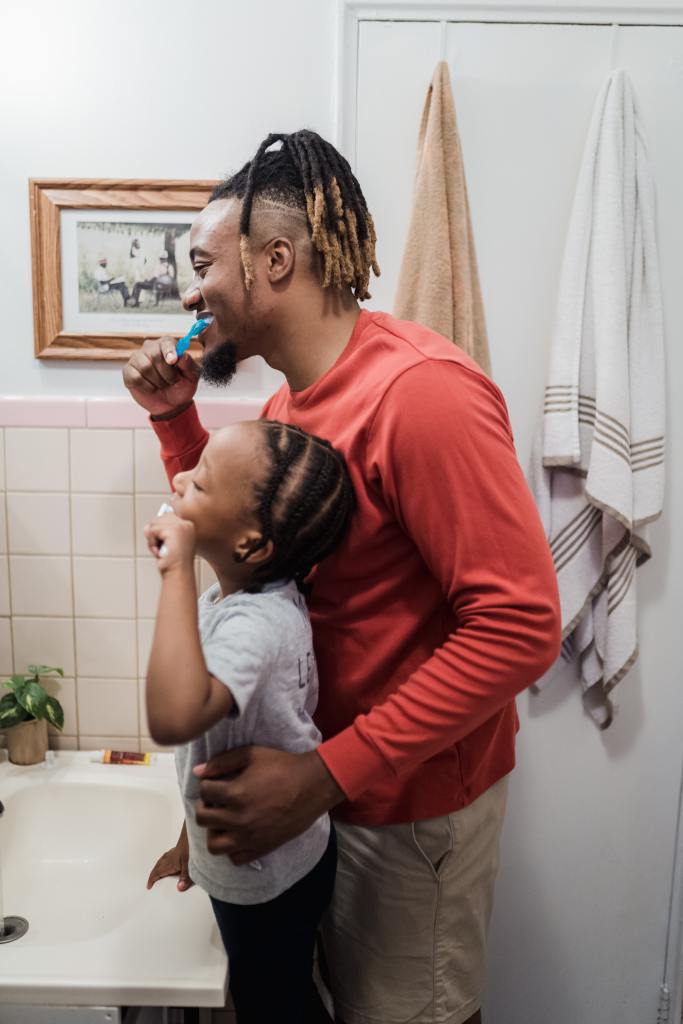
It’s important for children to have their teeth brushed twice a day just like their mommy and daddy.
Taking Care Before Teeth Come In
Before your baby’s teeth come into their mouth, it’s important to clean their gums. Clean your baby’s gums after every feeding, before their naps, and before bed time with a clean damp washcloth.
Healthy habits start early.
Mommy And Daddy Love You So Much We Never Want You To Have A CavityLet Mommy See Your Nice Clean MouthI’m One And I Don’t Have Any Cavities
Taking Care Of Teeth For Children, Tweens And Teens Is Important
Good oral health along with healthy meals and snacks go a long way to help prevent cavities in childhood and adolescence.
Young children want to brush their own teeth, but they really need your help.
As children get older they still need your help to brush and floss properly. They have new teeth coming in they don’t even know about.
Adolescents watch and see everything. By you taking care of your own teeth, you’re setting a good example which also helps your child’s teeth stay healthy.
Mommy And Daddy Take Care Of My Teeth So I Can Smile Pretty For The CameraShowing Off Our Big Healthy SmilesShowing Off My Pink Sneakers, Pink Sunglasses And Healthy TeethLearning To Play My Game IS Like Brushing Teeth, It Takes Time And PatienceSaying Goodbye To Cavities With Healthy TeethOur Beautiful Teeth Are The Best Gift Our Parents Could Give Us
Fluoride Helps Prevent Cavities
Fluoride is nature’s cavity super-power.
There are 3 ways fluoride helps make teeth strong:
Fluoride strengthens tooth enamel and makes it stronger against cavities,
Fluoride repairs tiny weak spots in the enamel before bigger problems develop,
Fluoride fights against cavity causing bacteria in the mouth.
Fluoride Is Safe
The American Academy of Pediatrics (AAP), the American Academy of Pediatric Dentistry, the American Dental Association, and the Centers for Disease Control and Prevention all agree that water fluoridation is safe, effective and works to prevent tooth decay (aka cavities).
Still No Cavities At My AgeDaddy And Me Brushing Time
Talking Tooth Care
Introducing brushing and flossing into your child’s routine can seem complicated.
A fun way to start introducing your at home toothbrushing and flossing routine can start with watching a video cartoon the ADA put together about a school age dinosaur named Dudley and his message about taking care of teeth.
What To Remember
Cavities are the #1 childhood disease. The good news is they are preventable.
Start early even before your infant gets their first tooth by cleaning their gums.
As your child grows your consistency helps establish their daily toothbrushing and flossing routine. By you taking care of your own teeth, you’re setting a good example will also help your child’s teeth stay healthy.
Cavities are preventable with a good at home oral hygiene routine, eating healthy foods, and drinking fluoridated water. As a parent you can help give your child their bright healthy smile.
Loving My College SmileI Always Brush My Teeth For 2 Minutes 2X’s A DayNothing Can Stop Us, Healthy Teeth Strong Learning SkillsBrushing Teeth Is Like Learning Ballet, It’s All About TechniqueKeeping My Teeth Healthy By FlossingLearning Chess Is Like Brushing Teeth, We’re Taught How To Do This
What are your healthy toothbrushing habits? Do you have any tips and tricks for your child’s daily routine? What are your tips to prevent cavities? Tell us, We’d really like to know! Send us a email to kidstoothhotline@proton.me Like Us on Facebook
Healthy Teeth, Happy Smiles, Healthy Family
More tips? We have lots. We’re here just for kids!
February is dedicated as National Children’s Dental Health Month, but good dental care (aka oral health care) is important every month and every day.
Tooth brushing and flossing are essential to prevent cavities, but there is more you can do to protect your child from tooth decay.
Today on the last day of National Children’s Dental Health Month, we’re breaking down the basics on an important topic so you can confidently navigate your child’s dental care journey.
What Is Fluoride?
Fluoride is a naturally occurring mineral, when used in small amounts on a routine basis helps to prevent tooth decay (aka cavities).
How Does Fluoride Work?
Fluoride encourages “remineralization” or strengthening of the tooth enamel.
It occurs naturally in water, and is an ingredient in many dental products such as tooth paste, mouth rinses, gels, varnish and supplements. Fluoride is most effective when combined with a healthy diet and good oral hygiene.
How Safe Is Fluoride?
Fluoride is shown to be safe and highly effective. It’s important for you to know that only small amounts of fluoride are necessary for the maximum benefit.
What Is Topical Fluoride?
Topical fluoride comes in a number of different forms, such as gels, foams, and varnish. Fluoride varnish is the most used form, and is applied onto the teeth with a small brush-like applicator.
There are 2 advantages to have a fluoride treatment:
Easily and quickly applied to the teeth, it takes 1 minute,
Fluoride continues to be absorbed into the tooth enamel for approximately 24 hours after the application.
Who Benefits From Receiving Topical Fluoride?
All children. This benefit exists whether they have no cavities, a few cavities, a lot of cavities, or braces.
Healthy Teeth Just Like My DaddyWe Love Our Teeth Thanks To Our Mom and DadMommy And Daddy Take Care Of My Teeth So I Can Smile Pretty For The CameraOur Beautiful Teeth Are The Best Gift Our Parents Could Give Us
My Water Doesn’t Have Fluoride, Will My Child Need Supplements?
There are several important factors to consider before recommending a fluoride supplement, including your child’s age and the amount of naturally occurring fluoride in your water supply.
Bottled, filtered, spring, and well waters all vary in their fluoride amount, so a water analysis is necessary to ensure your child is receiving the proper amount.
If it is determined after testing that your drinking water does not have an acceptable fluoride level and your child is between the ages of 6 months and 16 years old, you should speak with their pediatric dentist about fluoride supplements.
How Much Fluoride Does My Child Need?
Unlike most medicines, fluoride dosage corresponds to a child’s age, not their weight. It also depends on the amount of fluoride present in your drinking water.
When Is The Best Time For My Child To Take Their Fluoride Supplement?
Fluoride supplements are most effective when there is a 2 hour window before and after eating or drinking any dairy and high calcium juices. This is so that the fluoride doesn’t get absorbed by the calcium and dairy and become inactive.
4 Tips To Remember
Children need fluoride for strong teeth.
Fluoride is a naturally occurring mineral which also strengthens tooth enamel, helps prevent cavities, and can help remineralize enamel.
Mommy, My Teeth are So BeautifulI Love To LaughThank You For My Beautiful Healthy SmileMy Friend And I Like To Play And Having Healthy Teeth
What are your family’s healthy dental care habits? Is your child using a fluoride mouth rinse? Tell us, We’d really like to know! Send us an email to kidstoothhotline@proton.me Like Us or Chat with us on Facebook at facebook.com/kidstoothhotline
More tips? We have lots. We’re here just for kids!
Your child’s smile says it all, it’s the window to their overall health and well being.
Rocking My Amazing Smile and Healthy Me
February is officially National Children’s Dental Health Month, but your child’s dental care is important everyday. A healthy mouth means healthy teeth, a bright smile and fresh breath. This also means your child can talk and laugh with confidence.
We’ve put together for you some facts, ideas and tips on keeping a healthy smile for your tween and teen during these important years.
3 Facts To Know About Tween and Teen Dental Health
FACT 1: Your child has not outgrown tooth decay (aka cavities). In fact, dental decay may be more of a problem for you during their teen years than it has been before.
FACT 2: Gum disease (aka gingivitis) is a risk to their dental health. It is also a threat to their appearance. Gingivitis causes red and swollen gums, bleeding gums and bad breath.
FACT 3: Between the ages of 12 and 14 years old your child may have lost all of their baby teeth and have all of their permanent teeth, with the possible exception of their wisdom teeth (aka third molars).
That’s going from 20 baby teeth in kindergarten to 28 adult (permanent) teeth between middle school and high school.
This is why during these growing years, as their teeth, face and jaws undergo many changes it’s important to keep their teeth healthy by what you do at home and seeing their pediatric dentist every 6 months for checkups.
Smiling Our Best SmilesDo You Really Think My Teeth Look Great?We Love Showing Off Our Healthy Teeth
How Should We Be Brushing And Flossing?
Sometimes they’ll need your help, sometimes they’ll want to brush and floss on their own, sometimes they won’t want anything to do with brushing and flossing. What’s important is for you to patiently support and encourage your at home oral hygiene routine.
How To Brush
4 Steps make it easy, BUT 5 make it fun
Place a green pea size amount of fluoride toothpaste on their brush and place their toothbrush against their gum line,
Hold their toothbrush at a 45 degree angle to their gum line to make sure you’ll be reaching the gum line and each tooth,
Move their toothbrush gently in circles as you move along the gum line and over each tooth surface,
Before your bedtime brushing, floss between their teeth to remove what the brush won’t reach,
Make it fun by playing their favorite song and brush to the tune!
How To Floss
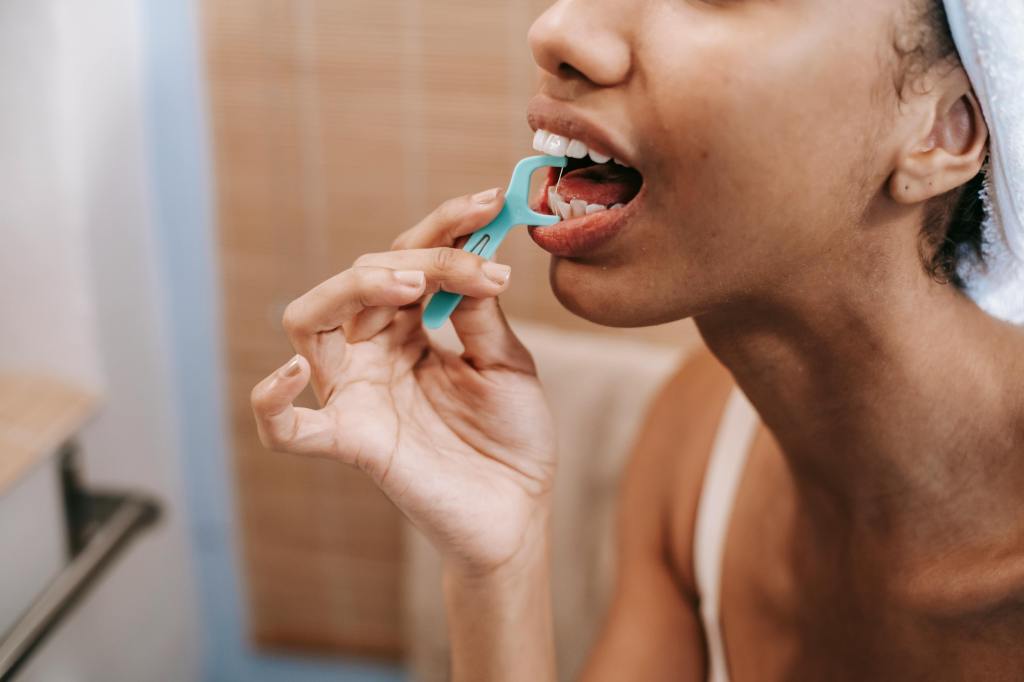
Floss all their teeth, and don’t forget to floss behind their very last back teeth.
Use about 18 inches of floss wound around one of your middle fingers, with the rest wound around the opposite middle finger,
Hold the floss tightly between the thumbs and forefingers and gently insert it between the teeth. You may want to start on the top right side and move around to the top left side, then the bottom left until you finish on the bottom right side,
Curve the floss into a “C” shape against the side of the tooth. Gently rub the side of the tooth with an up-and-down motion. The gums in between the teeth look like a triangle. You’ll place the floss gently under the gums on each side of the triangle as you floss each side of the tooth,
Rub the floss gently up and down, keeping it pressed against the tooth and following the shape of the tooth. Don’t jerk or snap the floss, and be gentle. Effective flossing is gentle flossing.
Keeping My Teeth Healthy By FlossingHealthy Teeth Is Like Ice Skating, It Takes PracticeI Love To SmileOur Healthy Teeth Give Us The Confidence To Sing
Your Check List To Help Your Tween And Teen Keep A Health Smile
Eat intelligently! Life is going to be more hectic now. If your child has to eat on the run, choose fresh fruits and vegetables instead of junk foods.
Steer clear of the juice, soda, chips and candy at your child’s school vending machines. If they need to get something, encourage purchasing water. Why water? It’s sugar free and keeps them hydrated.
Snack smartly. Lot’s of snack food contain sugar which can cause cavities.
Practice good oral hygiene twice a day. Brush for 2Minutes 2X’s A Day (after breakfast and before bed) with a fluoride toothpasteand floss before tooth brushing every night.
Replace your child’s toothbrush every three or four months when the bristles are worn down.
Keep up with their checkups. Cleanings, fluoride treatments and sealants are important protective measures for your child.
Do Not smoke, chew tobacco, or vape. The warnings are real! Lung (breathing) problems, heart problems and cancer are only a few of the bad tings that can happen. If you notice anything different contact your Pediatrician immediately. Tobacco (in any form) and vaping can stain their teeth and tongue, change their sense of taste and smell, increase their risk for cavities and tooth loss.
Wear a mouth guard when playing sports or activities where your mouth can be hit. This is to protect your teeth.
Buckle up in the car, safety first.
5 Reasons Your Tween’s and Teen’s Teeth Are Important To Keep Healthy
Speak clearly – Teeth, tongue and mouth muscles help make specific speech sounds like f, s, sp, v, t, and th.
Eat healthy foods – Eating healthy foods promotes good nutrition and a healthy weight. Cavities can cause teeth to hurt, so they are less likely to want to eat.
Be healthy – Sometimes it’s hard to describe that their teeth hurt, so they can’t tell you. That doesn’t mean that the pain isn’t real. As cavities grow they can cause pain, swelling and significant infections which can affect other parts of their body.
Focus and learn – When teeth hurt performance in school suffers. Keeping teeth healthy allows children to pay attention in school.
Feel good about themselves – At the bus stop, school drop off or pick up, have you seen the child who stays to themselves, is quiet, keeps their hand over their mouth when speaking and doesn’t smile? They’re probably hiding the cavities on their teeth they don’t want anyone to see.
Some Of Us Like To Smile, Others Not So MuchSister’s Keep Each Other’s Smiles HealthyHaving Healthy Teeth Helps Me Learns Better.jpgGood Food Keeps Me And My Teeth HealthyBeautiful Smiles Now, Beautiful Smiles Later
What To Remember
At times teenagers can act indifferent to certain things, it is important for you to help and gently remind and encourage your teen to keep up with their home care.
How to do this? Be your child’s hero, Be their role model for oral health. Brush your own teeth 2Min 2X’s a day with fluoride toothpaste (in the morning and at bedtime) and floss once a day (before bedtime brushing).
This way you’re showing them that a healthy mouth is important for their overall health and well-being; and with a healthy mouth, they can speak clearly, eat healthy foods, be healthy, learn well and feel good about themselves.
Group SmileI’ve Always Brushed My Teeth For 2 Minutes 2X’s A DayMy Picture Perfect Smile
What are your struggles to get your tween or teen to brush their teeth? Have you dared to mention the dreaded flossing? Tell us, We’d really like to know! Send us an email to kidstoothhotline@proton.me Like Us or Chat with us on Facebook at facebook.com/kidstoothhotline
More tips? We have lots. We’re here just for kids!
The Better Our Teeth Get Brushed The More Time We Have To Play
Dental health (aka oral health) is an important and integral part of your child’s overall health and well-being. Oral health in childhood also has a significant impact on their lives as they grow up.
This month may officially be National Children’s Dental Health Month, however, children’s dental care is important every day.
Brushing is the first essential part to prevent cavities, however there is more you can do to protect your child from cavities while taking good care of their growing teeth. We’re breaking down the basics on some important details for you to confidently navigate your child’s oral health journey.
What Do You Mean Teething Isn’t Over?
Between the ages of 5 and 7 years old, children begin to lose their top and bottom front teeth, and their first set of adult molars start to come in.
By the time your child has grown from kindergarten to the 5th grade they will go from having 20 teeth to having 24 teeth.
Those 24 teeth are a combination of new adult teeth and baby teeth, that’s why this is called the “mixed dentition.”
What Should We Be Doing At Home?
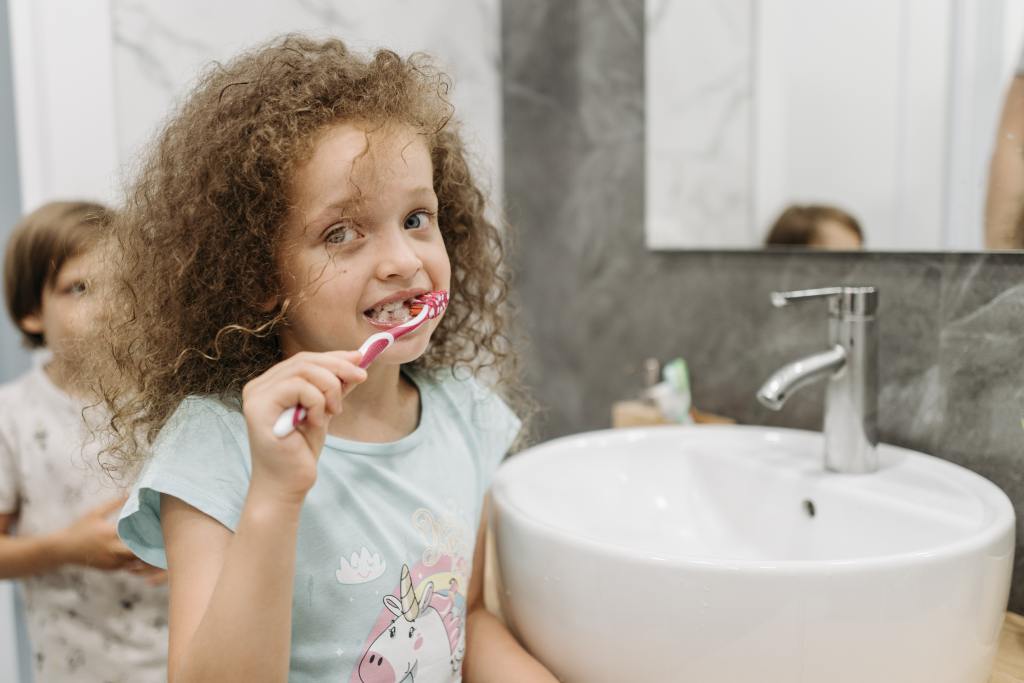
Tooth brushing and flossing are simple but crucial to keep your child’s mouth healthy. Make sure to brush for 2 Minutes 2X’s a day and floss every night with your child to establish a healthy brushing routine.
Not sure how much toothpaste to use or what brand?
For elementary school children, for each brushing it’s best to use a small green pea size amount of toothpaste on their brush. The toothpaste brand is really a personal preference, however, what’s most important is to use a fluoride containing toothpaste (with the ADA Seal of Acceptance).
How long will you need to brush and floss your child’s teeth?
Your child may want to brush their own teeth, but they need help until they have good coordination with their hand skills. Expect to brush and floss your child’s teeth or help them brush their teeth until they are at least 10 years old. A good way to gauge this is when they can wash, rinse, and style their hair totally on their own.
How do meals and snacks affect children’s teeth?
Serve healthy meals and snacks like fruits, vegetables, low-fat milk and dairy products, whole-grains, lean meat, fish, chicken, eggs, and beans. It’s also important to limit the number of snacks your child has in a day.
The more often children snack or are offered unhealthy food and beverage choices, the more likely they are to have cavities.
Be your child’s HERO
Be your child’s role model for oral health. Brush your own teeth 2Min 2X’s a day with fluoride toothpaste (in the morning and at bedtime) and floss once a day (before bedtime brushing).
How To Brush Your Children’s Teeth
4 Steps make it easy, BUT 5 make it fun
Place a small green pea size amount of fluoride toothpaste on their brush and place their toothbrush against their gum line,
Hold their toothbrush at a 45 degree angle to their gum line to make sure you’ll be reaching the gum line and each tooth,
Move their toothbrush gently in circles as you move along the gum line and over each tooth surface,
Before your bedtime brushing, floss between their teeth to remove what the brush won’t reach,
Make it fun by playing their favorite song and brush to the tune!
Did We Brush My Teeth This Morning?Brushing Teeth Is Like Learning Ballet, It’s All About TechniqueOur Parents Teach Us To Brush Our Teeth Like Our Coach Teaches Us SportsLearning Chess Is Like Brushing Teeth, We’re Taught How To Do ThisSaying Goodbye To Cavities With Healthy Teeth
6 Reasons Your Child’s Teeth Are Important To Keep Healthy
Eating – Eating healthy foods promotes good nutrition and a healthy weight. Children who have cavities are less likely to want to eat because their teeth hurt.
Speaking clearly – Teeth, tongue and mouth muscles help make speech sounds like f, s, sp, v, t, and th.
Keeping space for their adult teeth to grow in – If a tooth (or teeth) is lost early the surrounding teeth move into that space and block the incoming tooth out. This causes issues later on as the adult tooth tries to come into their mouth.
Staying healthy – Sometimes children don’t know how to tell their parents that their teeth hurt. That doesn’t mean that the pain isn’t real. As cavities grow they can cause pain, swelling and significant infections which can affect other parts of the body.
Being able to focus and learn – When teeth hurt performance in school suffers. Keeping teeth healthy allows children to pay attention in school.
Self-confidence – Have you seen a child that doesn’t smile? Keeps their hand over their mouth when they’re talking? Doesn’t want to play or raise their hand in class? They’re probably hiding the cavities on their teeth that they don’t want anyone to see.
My Dad Is Teaching Me Guitar and How To Brush My TeethMom’s Helping Me With My Homework Like She Helps Me Brush My TeethWe Brushed My Teeth So Now I Can Show Them OffShowing Off Our Healthy Smiles At RecessLearning To Play My Game IS Like Brushing Teeth, It Takes Time And PatienceSmiling TogetherOur Mom’s Brushed Our Teeth This Morning So We’re Ready For SchoolWe Can Concentrate On Our Math, Science And Music Because Our Teeth Are Healthy
What To Remember
Oral health is an important part of your child’s overall health and well-being. Children who have good oral health tend to eat well, sleep well, grow well, and learn well. By introducing and establishing a daily brushing and flossing routine in childhood, you are laying the foundation of good oral health for your child’s lifetime.
Mommy And Daddy Give Me Yummy Healthy Foods For My Teeth
February is National Children’s Dental Health Month (#NCDHM), but children’s dental care is important every day.
Making dental care a daily habit from before their first teeth helps you keep your child healthy.
Your Newborn’s Mouth
After your baby is born there are new things to learn and become comfortable doing.
Did you know that there is something you can do in anticipation of their teeth? And it’s simple and easy to do.
All you have to do is wipe their mouth after their feedings and before you lay them down (for a nap or bedtime) with a cool wet wash cloth. Easy as that, wipe their gums, tongue, cheeks and top of their mouth with a soft cloth.
Why is this so important? This is because teeth come next and taking care of your child’s baby teeth is important for your child’s overall health and development.
Let Mommy See Your Nice Clean MouthHappy Baby Happy MommyI Have So Much To Teach You About Teeth
Teething
Baby teeth are also called primary teeth or milk teeth, and they are your child’s first set of teeth.
Teething usually begins at about 4 to 6 months of age, and continues intermittently until your baby is about 24 to 36 months old.
When your child’s teeth are coming in (aka erupting), a good way of comforting their tender gums is by rubbing cool wash cloths (never frozen) gently on the gums.
First Teeth
Around the time your child is 12 months old they should have about 10 teeth.
With more and more teeth coming into your child’s mouth, it is important to be aware that constant bottle feeding, breast feeding or sippy cups increases their risk for cavities.
So keeping up on wiping their teeth and mouth with a cool wet wash cloth after each feeding and before putting them to bed helps to reduce that risk.
Mommy And Daddy Take Care Of My Teeth So I Can Smile Pretty For The CameraPlaying Outside Having Fun And Showing Off My Adorable SmileSmiling for the Camera While Having Fun
How Many Baby Teeth Do Children Have?
By the time children are 24 to 36 months old they usually have all their baby teeth; although this can vary.
When all of your child’s baby teeth have come in they will have 20 teeth, 10 on the top and 10 on the bottom.
Did you know that during the time your baby has been growing and getting their new teeth, their adult teeth have been developing underneath the baby teeth?
5 Reasons Baby Teeth Are Important To Keep Healthy
Baby teeth are important to help children:
Chew and eat – Eating healthy foods promotes good nutrition and healthy weight. Children who have cavities are less likely to want to eat because their teeth hurt.
Speak clearly – Teeth help with certain speech sounds like f, s, v, t, and th.
Keep the space for their adult teeth – When a baby tooth (or teeth) are lost early the surrounding teeth move into that space and block the adult tooth out. This causes issues later when the adult tooth tries to come into their mouth.
Stay healthy – cavities in baby teeth can cause pain, swelling and significant infections.
Have self-confidence – Have you seen a child that doesn’t smile or keeps their hand over their mouth or doesn’t want to play much with other children? They’re probably hiding the cavities on their teeth that they don’t want anyone to see.
I Love My Kitty And Showing Off My Beautiful Teeth
What To Remember
Taking care of your child’s baby teeth is important for their overall health and well-being now and for their future.
When did you start taking care of your child’s teeth? What is your daily routine? Tell us, We’d really like to know! Send us an email to kidstoothhotline@proton.me Like Us or Chat with us on Facebook at facebook.com/kidstoothhotline
More tips? We have lots. We’re here just for kids!
Showing Off My Pink Sneakers, Pink Sunglasses and Happy SmileI’ve Always Brushed My Teeth For 2 Minutes 2X’s A Day
Today is the 1st day of National Children’s Dental Health Month, #NCDHM!
National Children’s Dental Health Month has a long and distinguished history. The American Dental Association (ADA) observed the very first Children’s Dental Health Day on February 8, 1949. Then in 1955, this 1 day event was extended to 1 week, and in 1981 it was transformed into a 1 month celebration as an acknowledgement for children’s dental health.
Today, National Children’s Dental Health Month is observed every February and is supported by the ADA (ada.org) and the American Academy of Pediatric Dentistry, (aapd.org)
Did You Know?
Did you know that tooth decay is the #1 chronic disease of childhood in the U.S.?
Yes it is. Cavities are more common than childhood obesity, asthma and diabetes.
When left untreated, tooth decay can lead to pain and infections, which can impact a child’s ability to speak, eat, play, and learn.
What To Know For Your Child’s Teeth
Children need healthy teeth. Healthy teeth help children to chew and to speak clearly. Baby teeth also keep space for their adult teeth.
Children need their teeth to be brushed twice day just like their mommy and daddy.
Taking Care Before Teeth Come In Is Important
Before your baby’s teeth come in it’s important to clean their gums. Clean gums, clean teeth, healthy mouth from the start!
This is why it is important to establish an oral care routine by the time your baby turns 1 year old, including regular check-ups. Good oral care habits and routine visits with a pediatric dentist can help prevent tooth decay.
After Her Bottle I Cleaned Her Mouth And Then We Put her To BedSmiling My Gummy SmileHealthy Teeth, Healthy Body, Happy FamilyCome To Daddy And Then We’re Going To Clean Your Teeth Before Bedtime
Taking Care Of Teeth For Your Children, Tweens and Teens Is Important
Children and adolescents who have poor oral health are more likely to have tooth pain, miss school, and perform poorly in school.
Good oral health care to help prevent cavities in childhood and adolescence is important because oral health affects a person’s overall health and well-being throughout their life.
Dental care, especially early dental visits for children is important because as parents you can be educated on oral hygiene, fluoride, injury prevention, and nutrition.
Playtime With Lots Of Beautiful SmilesMy Dentist And My Teacher Gave Me An A In Oral HealthNothing Can Stop Us, Healthy Teeth Strong Learning SkillsShowing Off Our Big Healthy SmilesSmiling My Best SmileHealthy Teeth, Happy Smiles, Healthy FamilyBrushing My Teeth Has Helped Me Learn Better
Talking Tooth Care
Introducing brushing and flossing into your child’s routine can seem complicated and feel exhausting.
A fun way to start introducing your oral care routine may by watching a video cartoon the ADA put together about a school age dinosaur named Dudley, his younger sister along with their friends, and Dudley’s message about taking care of teeth, #ADA160.
What To Remember
Tooth decay is preventable with proper care oral hygiene techniques, allowing parents and caregivers to help give their children healthy teeth, bright smiles and healthy futures!
Even On Vacation We Still Brush Our Teeth 2 Minutes 2X’s A Day
Do cavities run in your family? Does your child have cavities? Do you feel that no matter what you do, your child will get cavities? Tell us, We’d really like to know! Send us a email to kidstoothhotline@proton.me Like Us or Chat with us on Facebook at facebook.com/kidstoothhotline










































































































 kidstoothhotline