In the Know for You to Know
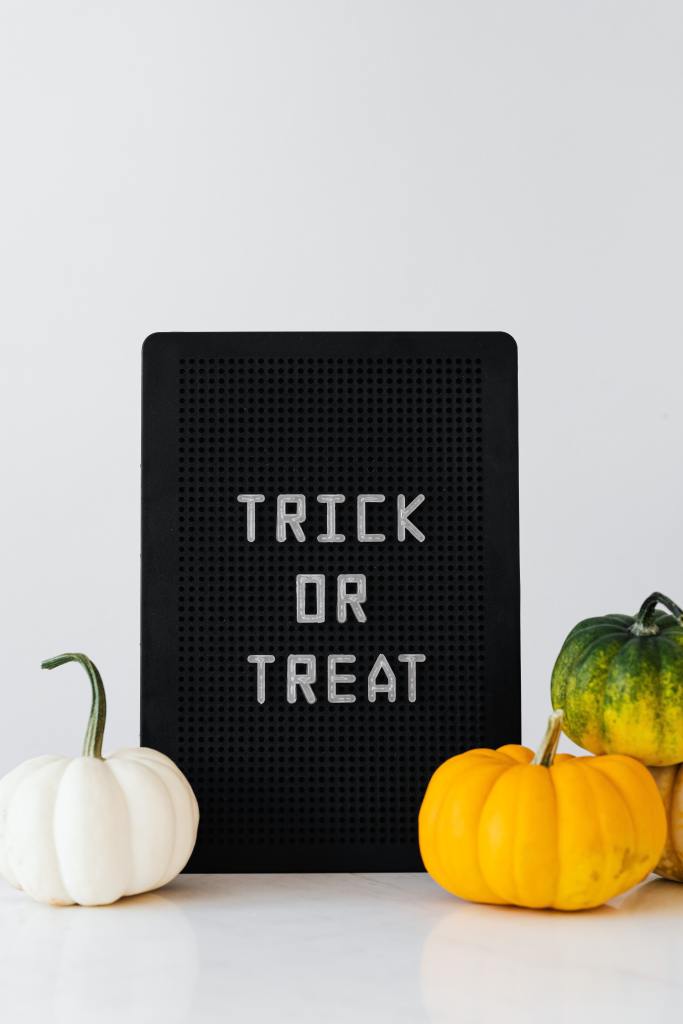
Halloween is almost here. This is the sweet time of year when children enjoy dressing up in their favorite costume, going out trick-or-treating as they collect candy and treats from friends and neighbors.
Leading up to Halloween, everywhere you look there’s chocolates and sugary treats ready to tempt your eager trick or treaters.
So, how do you keep treats reasonable while enjoying your family’s fun Halloween trick-or treating?
Tasty And Fun Halloween Treats
Whether it’s your annual Halloween monster mash, a gathering of your ghosts and goblins, appetizers to go with a witch’s brew or a pre trick-or-treat treat, no Halloween bash is complete without some scary snacks.
Try our top treats you can prepare with your child and your child will love this Halloween~
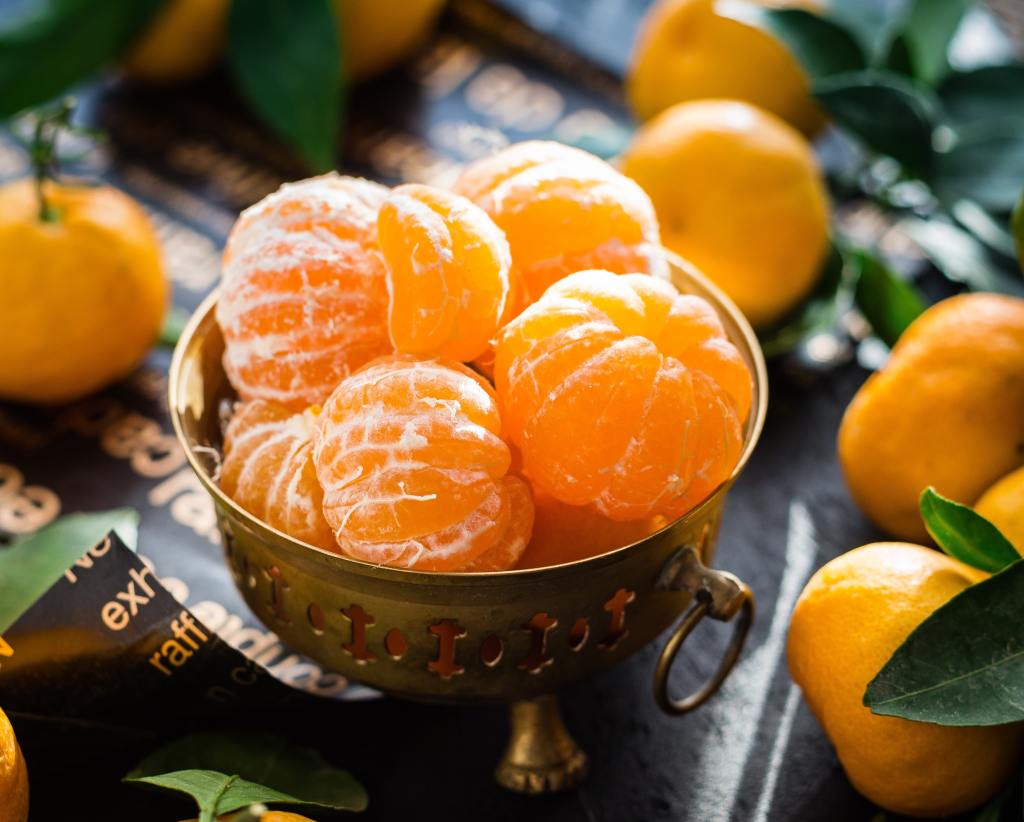
Chocolate Dipped Orange Pumpkins
Peel mandarin oranges and separate the individual wedges. Dip the orange wedges into melted chocolate, place on a parchment lined sheet pan and chill in the refrigerator until firm. A bite sized black and orange treat just right for the season.
Spider Bites
Fun and easy to prepare. Melt chocolate chips and peanut butter together in a bowl then add pretzel sticks. Arrange the pretzel sticks in the shape of a spider on a parchment lined sheet pan, place in the refrigerator or freezer until firm.
Mummy Pizza
Whether you choose pizza dough, english muffins, pita, or a tortilla as your base, cover with your favorite tomato sauce and criss-cross slices of mozzarella cheese (or your child’s favorite cheese). Slice green or black olives to make the eyes. Bake until fully cooked.
Apple Monster Mouth
Quarter an apple (red or green is your choice) and remove the core from each quarter. On the side where you removed the core, slice the apple part way through and spread with your favorite nut butter. Place a slice of strawberry, peach, or red plum onto of the nut butter to create the “tongue”. For the teeth place any nut of your choice into the apple above the through the nut butter. Melt chocolate chips and place a dab of melted chocolate on the bottom of 2 chocolate chips to create the eyes.
Pumpkin Hummus With Broomsticks
Fill a festive bowl with your favorite hummus. Run the back of a spoon through the hummus to create the look of a pumpkin. Serve with carrot sticks, celery sticks, pepper slices or cucumber slices.
Jack-O-Lantern Peppers With Witch Dip And Vegetable Broomsticks
Remove the stem and seeds from a bell pepper. Make cut outs in the pepper for the eyes, nose and mouth. Fill one pepper with your family’s favorite dip or dressing. Fill another pepper with pepper slices, carrot sticks, broccoli pieces, cucumber slices, carrot sticks or pretzels. A colorful, festive, fun way to encourage your child to eat their veggies.
Witch’s Broomsticks
These are fun, yummy and festive. Choose 2 of your family’s favorite cheese sticks. Cut each cheese stick to resemble the bristles of a broom. Place two cheese sticks around a pretzel stick or pretzel rod and tie together with a chive or use a vegetable peeler to create thin carrot ribbons to tie the broom together.



Better Candy Options
When it needs to be candy ~
Dark Chocolate
Choose dark chocolate treats like chocolate bars over sticky, gummy candy. Chocolate melts off the teeth and has anti-oxidants which are good for children.
Sugar-Free Gum
Sugar-free gum contains xylitol, stimulates saliva, neutralizes acids in the mouth, and helps wash away food particles all of which help keep teeth healthy.
Sugar-Free Candy
Sugar-free candy contains xylitol, helps increase the flow of saliva, neutralizes acids in the mouth, and helps wash away food particles which help teeth stay healthy.
Top 3 Candy No-No’s
Part of Halloween fun is indulging. However some candies should be on the no candy list~
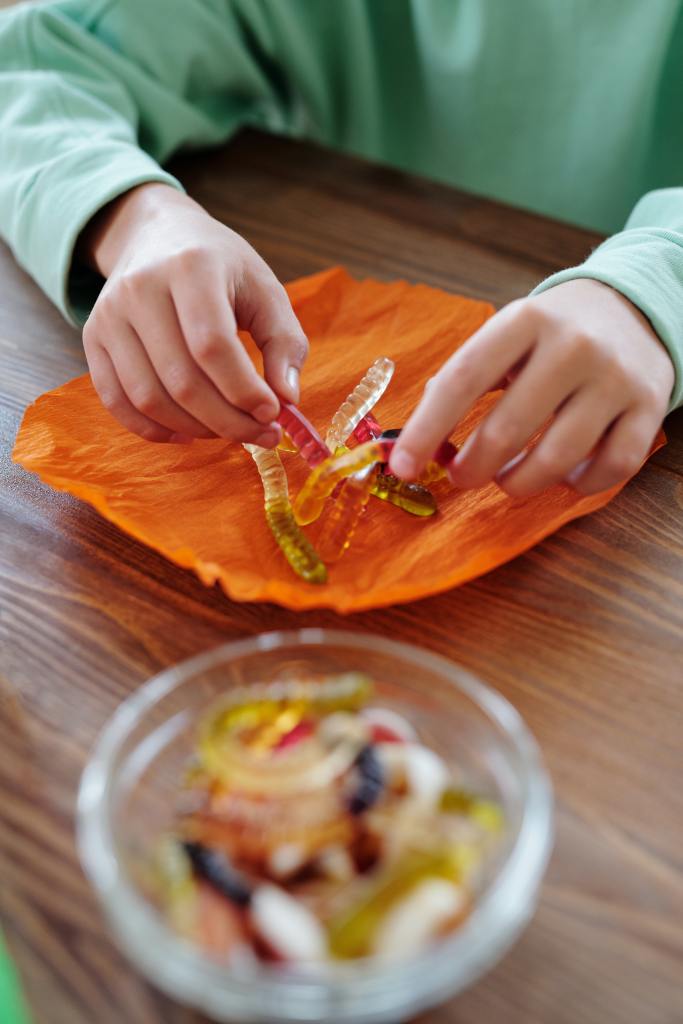
Gummy And Sticky Candies
Gummy and sticky candies stay stuck to the teeth which is difficult to brush off.
Hard Candies
Hard candies are so hard that they can cause a child to chip or break a tooth by biting into or chewing on them. Since these candies stay in their mouth for such a long time there is more time for the sugar to stick to their teeth.
Sour Candies
Sour candies taste so sourly good because they are acidic which makes their saliva more acidic and weakens tooth enamel.


Non-Food Goodies Are A Good Choice
When given a choice select children’s play favorites such as ~
- Glow sticks
- Spider rings
- Vampire fangs
- Pencils
- Bubbles
- Bouncy balls
- Finger puppets
- Whistles
- Stickers
- Stencils
- Rubik’s cube
- Yo-yo’s
Halloween is every child’s dream. It’s the holiday of costumes and candy and more candy and even more candy. With all the joy trick-or treating brings, we don’t want to crush their excitement. So be the cool parent and the Halloween Hero, and wonder no more about which Halloween treats are best for your child’s teeth.
Does your family like to trick or do you like the treats? Are you doing a family costume theme or does everyone choose their own? What are your children’s all time must have no way it will ever change favorite Halloween treats? Where does your child like to keep their candy stash and how did you find it? Tell us, We’d really like to know! Email us at kidstoothhotline@proton.me Like Us and Chat with us on Facebook
More Tips? We have lots. We’re here just for kids!















































































 kidstoothhotline