Summer is here and we’re all looking forward to being outside playing sports, running, swimming and having fun.
With all that playing it’s only a matter of time before you hear “Mom, I’m thirsty. What do you have to drink?”
What do you reach for to satisfy your child, their thirst, and keep them hydrated?
As a parent you know that juice and soda are not good for your child’s health and their teeth. Do you know that sports drinks may be considered healthy but are actually loaded with sugar?
What’s In Sport’s Drinks?
Sports drink companies do a great job trying to convince us these drinks have magical powers.
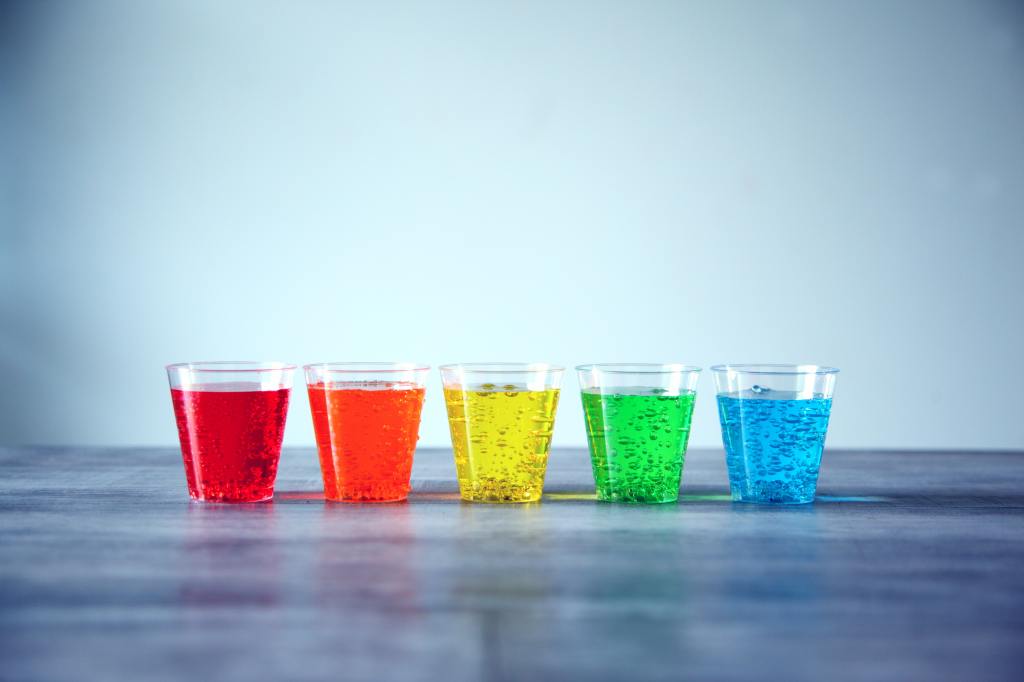
While doing this they are leaving out that their beverage is a combination of salts and minerals (also called electrolytes) like sodium, potassium and phosphate mixed together with artificial colors, artificial flavors and a lot of sugar.
All this sugar makes the sports drinks less effective for quenching thirst. This is because children are using the water in their body to metabolize all that sugar.
Healthy Choices Matter – Who Say’s So?
It may seem like a good idea to reach for a sports drink to ward off dehydration on a hot day when your child has been playing or exercising.
Your child’s healthy body already maintains a reserve of these electrolytes by eating healthy meals and drinking water. Their body can tap into this when it needs to keep their fluid and salt balance in check.
They’ll Drink It Because They Like The Taste
Sports drinks taste so good because they’re jam-packed with sugars. These sugars, flavorings and colorings are bad news for teeth.
Our recommendation to you is to please think twice before offering a sports drink to your child.
What’s The Best Drink For My Child?
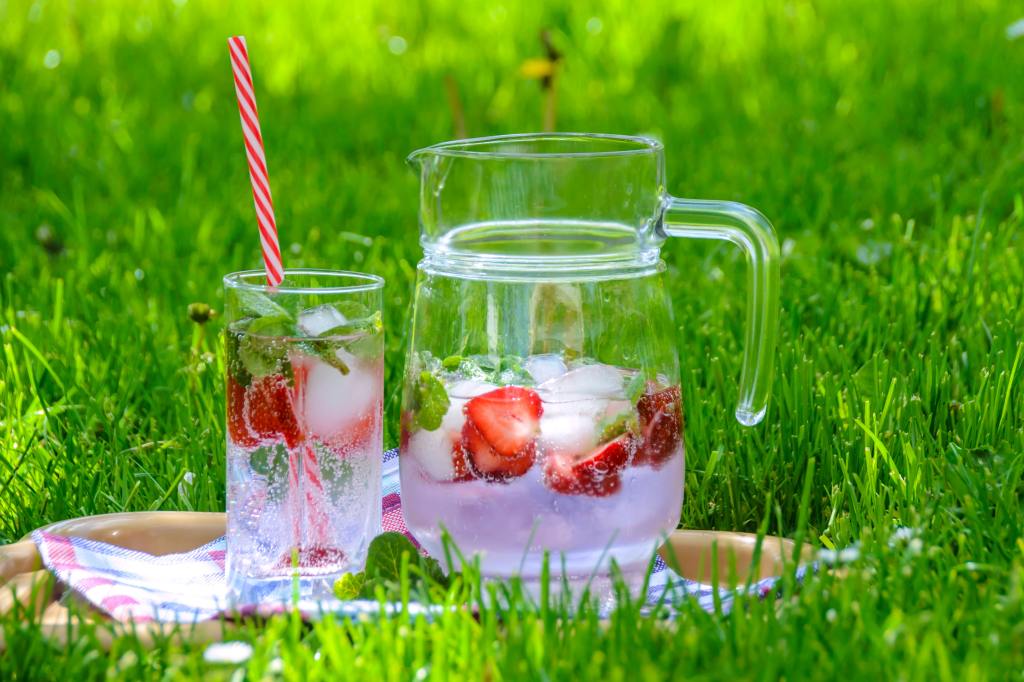
Water is the best drink because it keeps children hydrated without any sugar.
My Favorite Summer Drink Is Water
What is your child’s favorite thing to drink? Are sports drinks your family’s go to drink in the hot weather? or any time of year? You’re busy but have you read the ingredient label? Tell us, We’d really like to know! Send us an email at kidstoothhotline@proton.me Like Us or Chat with us on Facebook
More tips? We have lots. We’re here just for kids!
Looking At The Stars After Flossing And Brushing On Our Staycation
Summer is here and everyone is excited about fun in the sun!
Summer time is busy for your family. With pool parties, bbq’s, ice cream treats, camp and summer vacations, it’s easy to let dental care slip. With our help you don’t have to.
We’ve put together for you our top tips for you to help your child’s teeth stay healthy all summer long.
STAY WITH YOUR ROUTINE
Brushing and flossing is just as important in the summer, especially with all the icy sugary treats to keep cool.
Stay with your consistent daily routine and add a twist.
Do something fun while brushing to keep your child’s attention long enough for you to brush all their teeth.
Brush and floss together and have a brush-a-thon to your child’s favorite tunes.
Pack a sticker chart for a fun daily tooth brushing reminder and,
Look for your child’s favorite flavor toothpaste or toothbrush and flossers with their favorite character for camp.
WHAT ABOUT BOTTLES AND SIPPY CUPS?
During your travels breast feeding, bottles and sippy cups may be good for comforting your child. However falling asleep with anything in their mouth increases your baby and toddler’s risk for cavities.
Keep a wash cloth handy in your bag or carry-on to wipe their mouth and teeth.
KEEP YOUR TRAVELING DENTAL KIT HANDY
Put together a dental kit for your travels whether you’re taking a car trip, a plane trip, or sending your child to summer camp.
Pack a kit and a spare (or 2) with floss, toothbrush, toothpaste, fluoride rinse for everyone.
Remember to keep it on you in a carry-on bag so it’s easily accessible.
HEALTHY SUMMER SNACKS
Special foods are fun when eaten along with tooth friendly options like fresh fruit, veggies, whole grains, and dairy.
Choose fresh fruits and veggies like apples, carrots, and celery which provide essential vitamins and also help clean teeth.
Same for cheese and yogurt (without added jellies, jams or crunchies).
These snacks are high in calcium and phosphate, which can help strengthen tooth enamel.
STAY HYDRATED, CHOOSE WATER
Juice boxes and cans of soda may be convenient, but the soda and fruit juices don’t quench thirst for long and even make children thirstier.
Plus the sugars in those beverages weaken the outermost tooth layer (aka enamel) causing teeth to look dingy and increases the risk of cavities.
Why Water?
Water is refreshing.
It’s best for keeping your child hydrated and for helping to keep their teeth healthy.
Drinking water helps wash away food particles and bacteria and,
Keeps saliva flowing which is essential for helping prevent cavities.
POOL’S RULES
Everyone loves the pool. With so much excitement, so many people, and water splashing everywhere there’s always a chance for a slip, a fall, and potential tooth injury.
It’s important to follow the pool’s rules about diving, diving boards, jumping into the pool and running poolside.
No one wants to leave the pool to go to the dentist because of a tooth accident. Stay safe and follow the rules.
SMILE PROTECTOR
Summer means being outside more. This is the time to have fun swimming, biking, skate boarding, riding their scooter, or playing sports.
However, this fun can sometimes lead to a dental accident.
It’s important to make sure your child wears a mouthguard when playing sports and other physical activities.
This one step can help protect their teeth from potential injuries.
ENJOY YOUR CHILD’S HEALTHY SUMMER SMILES!
While you’re on summer vacation your child’s teeth aren’t. Following these tips helps you stay on track with their dental health.
What is your family looking forward to doing most this summer? What is your child’s most favorite must have snack?, Most asked for drink? and Their most asked for summer food? What are your favorite summer family traditions? Tell us, We’d really like to know! Send us an email at kidstoothhotline@proton.me Like Us on Facebook
Hello SummertimeLoving Our Strawberry WaterYummy Gelato, Which Is Your Favorite?Summer’s Here And We’re Gonna Have FunSummer Fun Eating Ice cream With MommyCherries Are The Best Summer Fruit Happily Eating WatermelonSummer Fun At The Amusement ParkShowing Off My Dazzling Summer SmilePool Time After Toothbrushing TimeMommy Packed My Dental Kit For Me To Use At My CampMommy And Daddy, Did You Remember To Pack Our Toothbrushes And Flossers?Showing Off My Pearly White TeethProtecting Teeth While Having Fun At The BeachLunching With My Favorite Summer Foods PoolsideCruising Along With Our Healthy TeethKeeping Teeth Healthy And Making MemoriesMommy’s First Rule Of The Day Is To Brush My TeethShowing Daddy How Beautiful My Teeth Are After Mommy Brushed Them
More tips? We have lots. We’re here just for kids!
Did you know there is actually a day devoted to the humble toothbrush?
Yes there is, and today is the day. June 26 is Toothbrush Day!
So here’s the scoop on this simple but mighty tool we use 2X’s A Day everyday.
5 Tips To Know About Toothbrushes
Soft toothbrushes are gentle, effective and best for toothbrushing.
Choose toothbrushes with round nylon bristles for comfortable brushing.
Toothbrush bristles wear down and wear out. Replace your child’s toothbrush or toothbrush head (if you use an electric brush) every 3 months.
Let toothbrushes dry upright, uncovered and away from sink splashes to avoid germs.
Sharing is not caring for toothbrushes.
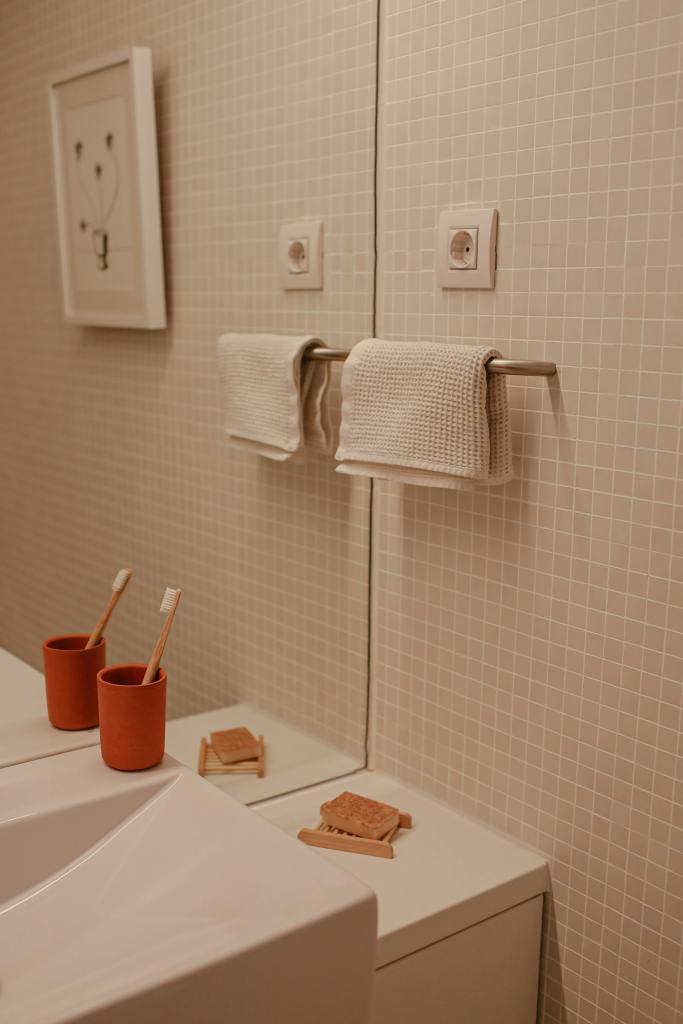
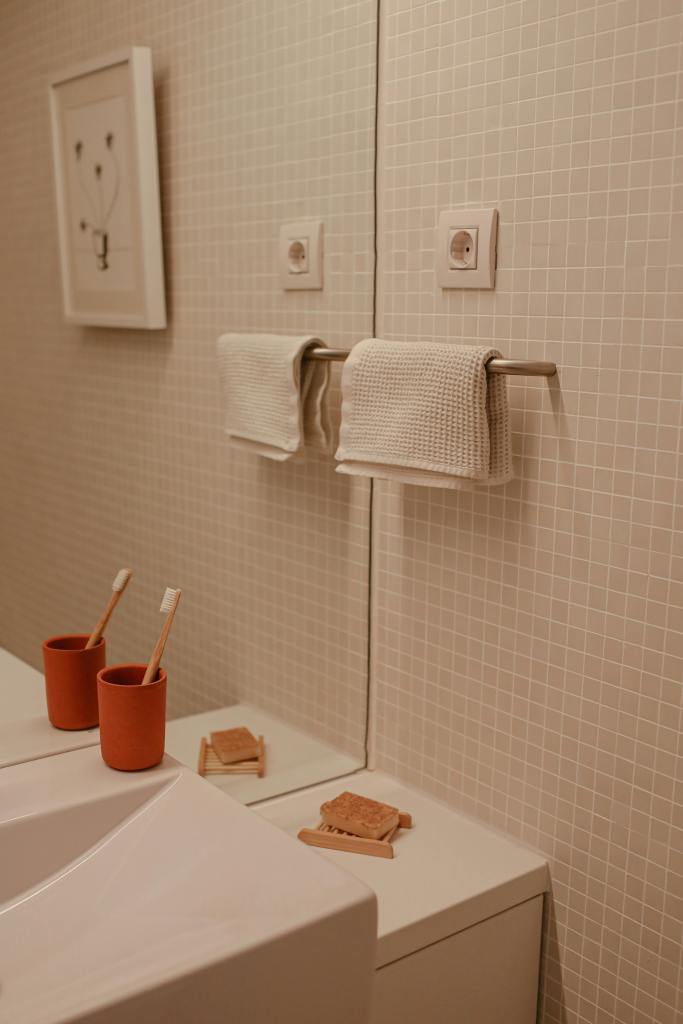
Is This Where You Keep Your Toothbrush?
How Old Is The Toothbrush?
The toothbrush is 5,000 years old.
Ancient civilizations used thin twigs with ragged ends to remove food from their teeth.
As toothbrushes evolved they were made with different materials. Handles were made from bone, wood, or ivory. While the bristles came from a variety of animal’s hair like hogs and boars.
The modern nylon bristle toothbrush we know today was invented in 1938.
The Toothbrush Debate, Manual Or Electric?
Both types of toothbrushes can effectively and thoroughly clean your teeth. It all depends on which one you prefer.
What To Remember
Toothbrushes are portable. Keep a spare in your child’s camp bag or trip bag when you’re on summer vacation so you never miss your 2 Minutes 2 Times A Day brush.
These 4 minutes a day go a long way to help give your child their healthy smile.
A Clean Toothbrush Makes Happy Smiles
Are you pro electric toothbrush? or, Are you on team manual toothbrush? When did you think the toothbrush was invented? Share with us your toothbrush trivia. Tell us. We’d really like to know! Email us at kidstoothhotline@protonmail.me, Like Us on Facebook
More tips? We have lots. We’re here just for kids!
We’ve received a lot of questions about dental issues for children. Parents like you are asking about what they’ve heard, what they’ve read and why this is truly important.
So, today we’re answering your questions.
Why Are Baby Teeth Important?
Baby teeth are very important for 4 reasons ~
They are needed for the growth of your baby’s jaws, muscles and their face.
Their teeth are also necessary for your child to be able to chew their food, eat well and grow healthy and strong.
Their teeth help them to speak. Their tongue and cheeks use the surfaces of their teeth to help them form the sounds they need to talk.
Baby teeth provide the space for their permanent teeth to develop and to guide them into the correct position.
How Does Putting My Baby To Bed With A Bottle Cause Cavities?
Putting your baby to sleep for a nap or at night with a bottle or after breast feeding can cause a serious type of cavities.
The sugar in the formula, milk, fruit juice, and other sweetened liquids sits on their teeth and eats away at the tooth’s enamel. Over time the tooth will chip and then break off.
The time for cavities to show up can be as soon as 1 year after their teeth come into their mouth.
The first teeth you’ll see the cavities on are their top front teeth.
Do Children Really Get Cavities?
Yes they do. Babies, toddlers, preschoolers, school age, and teenagers can all get cavities.
Cavities are more common than Asthma. Children are 8x’s more likely to have cavities than Asthma.
That’s a lot of children — 20% of preschoolers, 50% of 2nd graders, and 75% of 15 year olds.
Do Baby Teeth Have Nerves?
Yes, baby teeth have nerves.
Baby teeth and adult teeth are made up of the same 3 parts ~
Enamel is the outermost layer of the tooth. It’s there to protect the tooth from bacteria, hot and cold, as well as physical blows to the tooth. While enamel is thinner in baby teeth, it’s still protective. However, when the tooth’s enamel is broken, things spread quickly.
Dentin is under the enamel. It’s the inner layer which makes up the largest part of the tooth. Dentin is there to support the enamel and protect the nerve (aka pulp) of the tooth.
Pulp is the soft tissue in the deepest part of the tooth. It contains nerves and blood vessels. When the nerve is irritated it causes tooth sensitivity. The pulp can in certain situations become inflamed, infected, or even die.
Is It Okay To Let My 5 Year Old Brush His Own Teeth?
Letting your child have a turn to brush their teeth first is good learning for them.
However you need to have your turn afterwards and do the real toothbrushing.
It takes time for children to develop their motor skills. How old do you think they’ll be when they can wash, dry and style their hair from start to finish on their own?
When they can do their hair themselves that’s about the time they can brush and floss on their own also. So you will be doing this for them for a while.
Then once they do start brushing and flossing by themselves they’ll do a much better job with you in the bathroom with them.
I’m Breastfeeding My Baby Then I Will Clean His Mouth
How do you take care of your child’s teeth? What questions do you have about your child’s teeth? Tell us, We’d really like to know! Email us at kidstoothhotline@protonmail.com, Like Us on Facebook
More tips? We have lots. We’re here just for kids!
Flossing your child’s teeth is especially important. Yet it is frequently overlooked. This is because no one really teaches us how to floss our own teeth, let alone our child’s teeth.
Today we’re discussing the basics on how to floss your child’s teeth. This is your step by step description for flossing.
Types Of Dental Floss
There are so many types of dental floss to choose from~
waxed and unwaxed
flavored (grape, bubblegum, mint) and unflavored
wide and regular
textured and smooth
There is also~
regular string floss
pre-threaded flossers (great for children!)
floss holders (you put on and change the floss with each use)
Floss Techniques
Pre-threaded flossers are great when flossing your children’s teeth. There are so many colors, shapes, and flavors to choose from which makes this easier for you and keeps them entertained and interested. Remember to clean the floss with a tissue after flossing between each tooth.
String floss is also a good choice. With this method you are wrapping the floss around your fingers (like you do for yourself).
Where To Start Flossing
You may want to start between the two front teeth and floss towards the back. Or you may want to start in the back and floss all the way around.
Which ever is your preference and works best for you and your child, remember to floss the back side of their most back teeth.
What If My Child’s Gums Bleed?
Your child’s gums may bleed when you first start flossing. This is because when flossing isn’t part of your nightly routine their gums become inflamed (aka gingivitis).
As you continue your nightly flossing their gum’s get healthier and the bleeding stops.
How To Floss Teeth
So what are the steps~
Take a piece of floss about 20 inches long (think shoulder to shoulder) and wind most of it around your index (or middle) finger,
Wind the rest of the floss around the same finger on your other hand (this is the finger you will wrap the used floss around),
Hold the floss tightly between your thumbs and index fingers,
With your thumbs pointing upward for the top teeth (and downward for the bottom teeth) guide the floss down between your child’s teeth. Go gently you don’t want to push onto their gums,
When the floss is between your child’s teeth curve the floss so that it forms a “C” around their tooth and hugs the tooth,
Gently slide the floss into the natural space between the tooth and the gums and rub the side of their tooth. You want the floss to go around their tooth and under their gums,
When you’ve finished flossing that tooth, unwind the clean floss from your first finger and and wind the used floss around the same finger of your other hand,
Now floss their next tooth, and their next tooth as you go all around their mouth.
How Long Do I Have To Floss My Child’s Teeth?
Like tying their shoes this takes time and dexterity. Don’t worry if it takes a little longer than you’d like.
Usually around the time children are 10 or 11 years old they start flossing and you start watching. This way you make sure they are flossing between all their teeth, especially the hardest to reach ones all the way in the back.
Don’t be discouraged if this is hard when you start. Try starting with one or two teeth a night in the beginning and don’t forget to congratulate yourself on your success!
Remember, you’re helping your child form healthy habits that will last a lifetime!
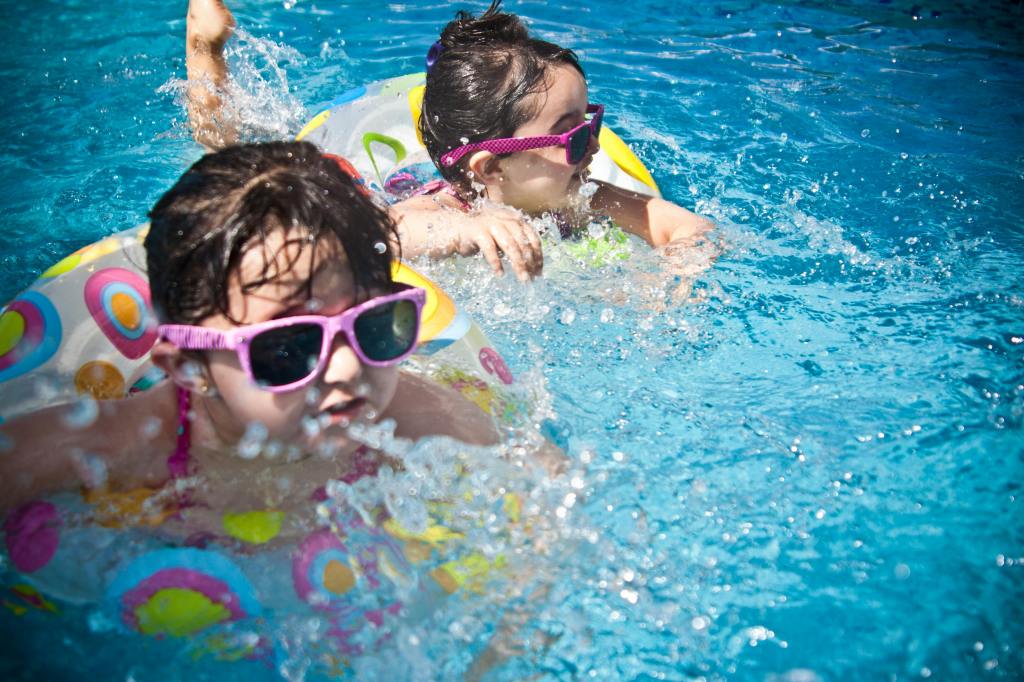
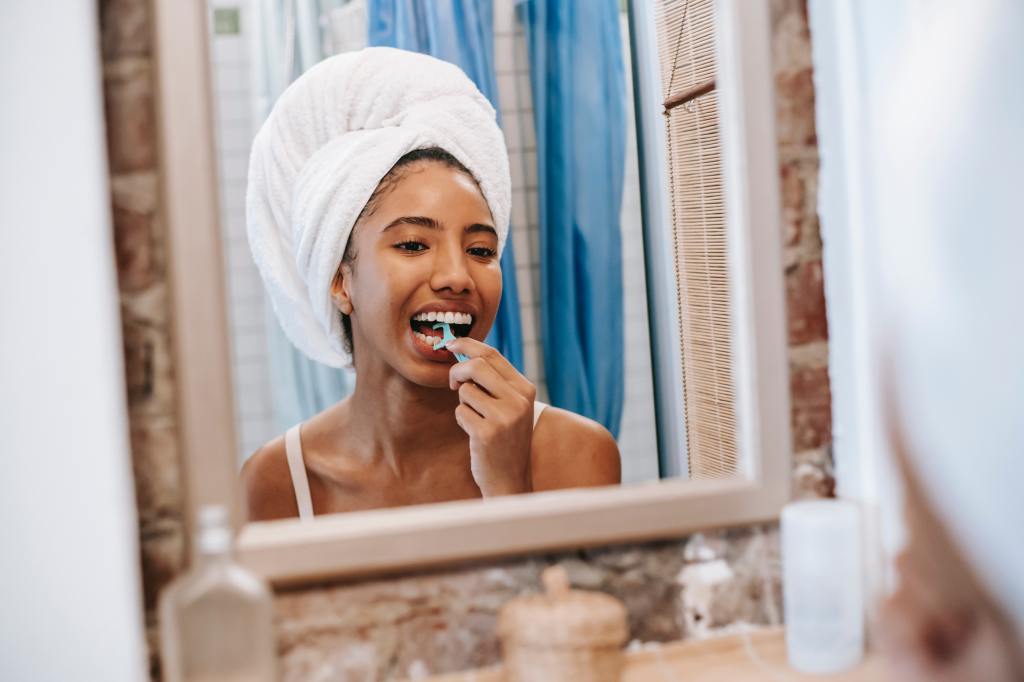
Swimming Now, Flossing TonightFlossing Is Always Part Of My Nightly Routine
How old was your child when you started flossing their teeth? Are you flossing their teeth or have they started to floss? What flossing tips and tricks work best for your family? Tell us, We’d really like to know! Email us at kidstoothhotline@protonmail.com, Like Us on Facebook
More tips? We have lots. We’re here just for kids!
You hear it every time you’re at the dentist’s office, whether it’s for you or your child. Remember to floss, floss, floss every night.
Yes flossing is an integral part of your nightly routine. Yes it will help with good breath. Yes you’ve heard it all before.
Flossing every night before you brush your child’s teeth teaches them something valuable. In a meaningful way you are showing them that this is their nightly normal, their routine, their habit.
The best time to introduce flossing is when your child is a toddler. That’s right, from the first time they have 2 teeth touching each other. Yes, when any 2 teeth are touching.
But why is flossing a healthy habit and why is it so important to floss your child’s teeth?
Why Is Flossing Important?
Flossing is important because toothbrushing alone can’t remove everything.
Floss goes where no toothbrush can go. The bristles on a brush may look like they can go everywhere. They can’t.
This is because the bristles are too thick (really they are, no joke, totally serious). Unlike a toothbrush, floss fits in-between their teeth and along the gum line under where the teeth touch.
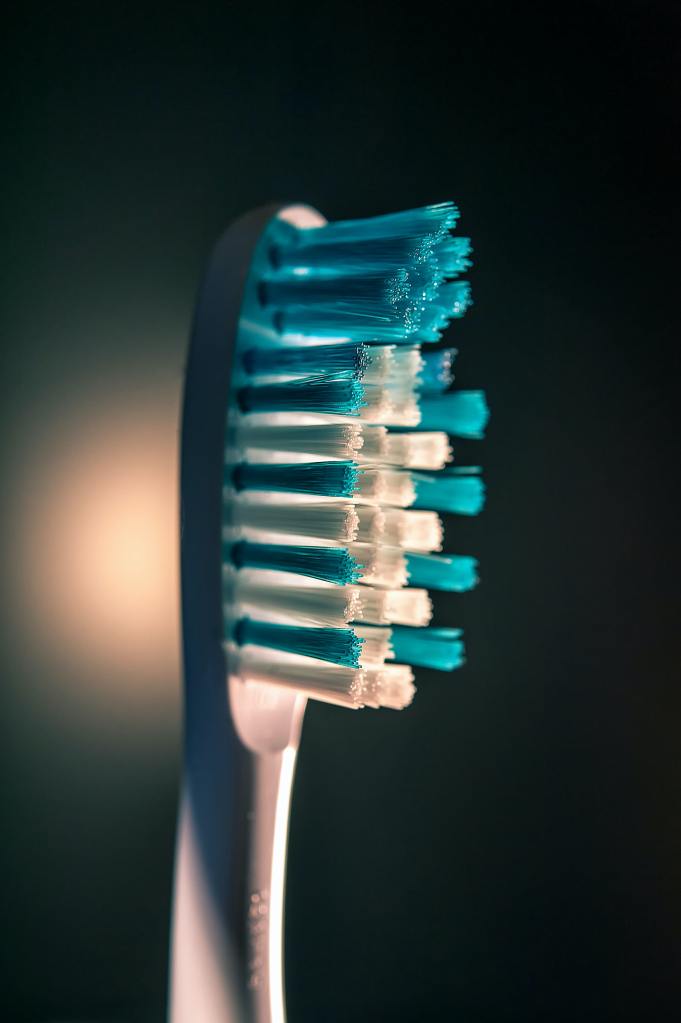
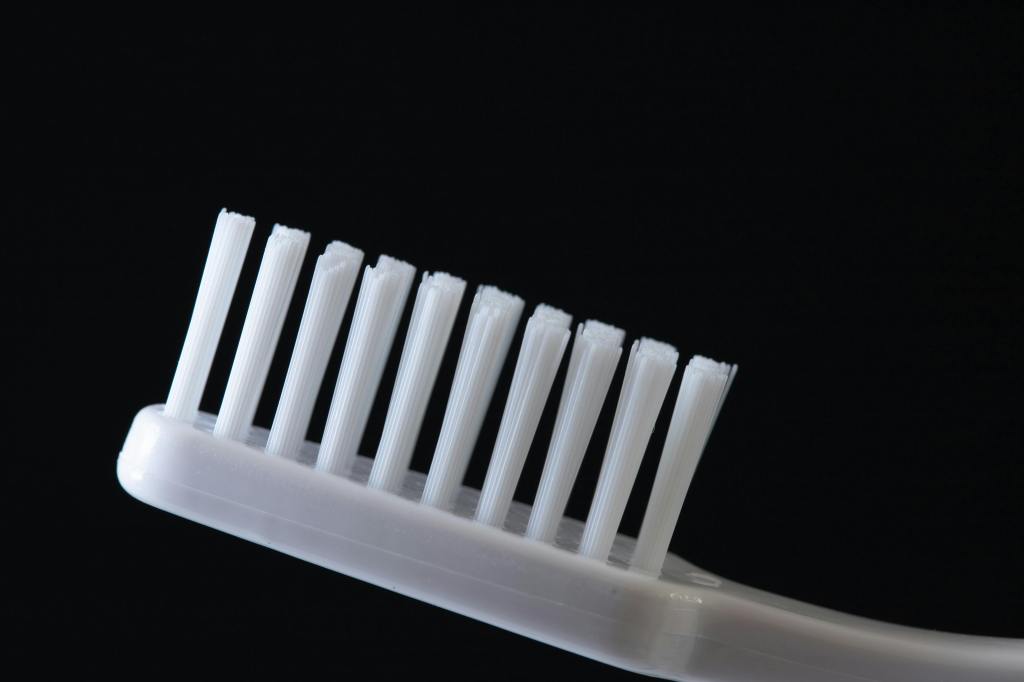
Toothbrush Bristles Are Big
3 Reasons Flossing Is Important
Not only does this help with cleaning all the tooth surfaces and helps reduce the risk of cavities,
Flossing helps reduce the risk of all ready formed small cavities which are in-between the teeth from getting bigger, and
Flossing helps control bad breath by removing bacteria and old food from in-between your child’s teeth.
Flossing Tip
You only want to floss 1 time a night, so keep this in mind.
Remember to floss first and brush second. This way you brush away all the stuff the floss takes out from between the teeth.
Reading With Mommy After Flossing And BrushingFlossing Helps Give Me My Beautiful Smile
What To Remember
Don’t be discouraged if this is hard when you start.
Try starting with flossing 1 or 2 teeth a night for the 1st week. Then add flossing a 3rd tooth the 2nd week. Then a 4th tooth on the 3rd week. Keep adding another tooth to floss each week and before you know it you’ll be flossing all of your child’s teeth.
You can give your child a choice about which teeth to floss, like the top front or bottom right side. Then let the flossing begin.
Remember, Congratulate yourself on your success!
Does your child floss their own teeth or do you floss their teeth? What type of flosser are you? Are you a once a week flosser? An every night flosser? Somewhere in between flosser? An only when necessary flosser? A never flosser? How old was your child when you started flossing their teeth? Tell us, We’d really like to know! Email us at kidstoothhotline@protonmail.com, Like Us on Facebook
More tips? We have lots. We’re here just for kids!
Twice a day everyday it’s Brush, Rinse, Brush, Rinse and Repeat.
With all this toothbrushing and your hectic schedule, the last thing on your mind is keeping your child’s toothbrush clean and fresh between brushings.
So how do you keep their toothbrush clean between brushing?
These are the 6 ways to take care of your child’s toothbrush. So your child’s toothbrush will help you take care of them.
Cleaning toothbrushes is easy Rinse your brushes with tap water to remove any remaining toothpaste and food particles from the bristles.
Toothbrushes like to be left out in the open Store your brushes upright and allow them to air dry. Don’t cover or put them into closed containers. A closed container keeps the brushes wet and allows bacteria to grow on the bristles.
Keep toothbrushes separate If you store your toothbrush with other toothbrushes make sure they aren’t touching or close to each other. Keep them separated to prevent cross contamination.
Store toothbrushes so they don’t get splashed on Keep your brushes away from the edge of the sink and counter top. This way they’re not accidentally splashed on when someone is washing their hands or reaching for the towel. It’s also a good way to help avoid getting germs on the brushes.
Sharing is not caring with toothbrushes Sharing a toothbrush means you’re also sharing germs.
Replace your child’s toothbrush every 3 months 90 days of toothbrushing for 2 minutes twice a day (that’s 180 brushings) takes a toll on a toothbrush’s bristles. The bristles become worn down, don’t do a good job with brushing and give germs a place to grow. Regularly replacing your child’s brush allows you to keep up with your good healthy habits.
What do you do to keep your child’s toothbrush clean and fresh? How often do you find you need to replace your child’s tooth brush? Share your tip with us. We’d really like to know! Send us an email at kidstoothhotline@proton.me and Like us on Facebook
Is This Where You Keep Your Toothbrushes?Good Bristles Help With Good Toothbrushing
More tips? We have lots. We’re here just for kids!
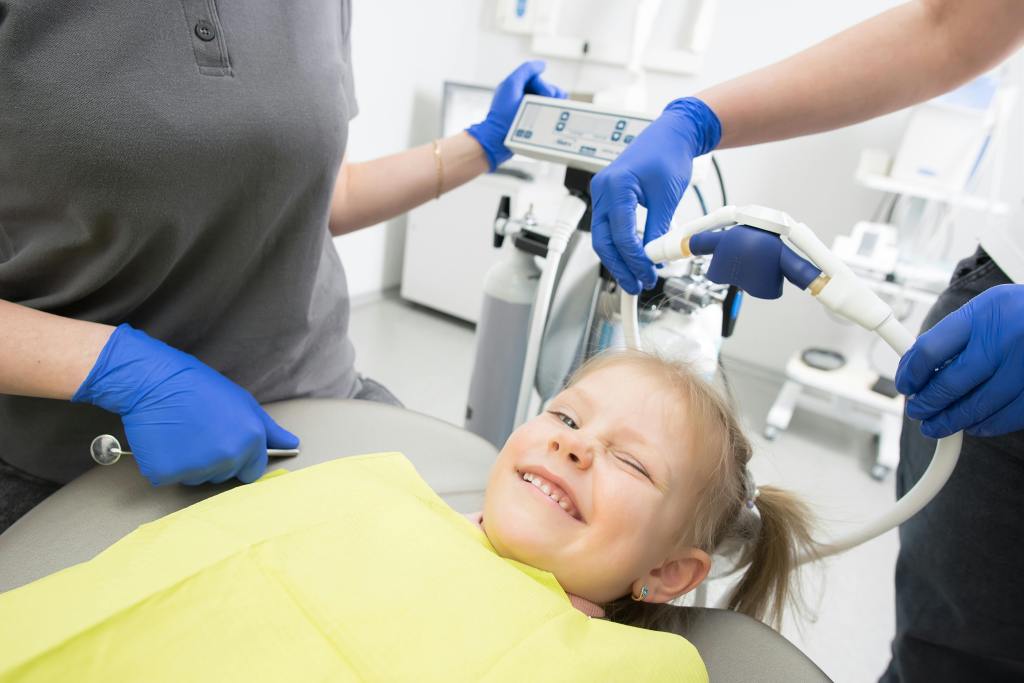
My Mom And Dad Say Laughing Gas Helps Me Be A Great Patient
You want your child to feel calm, comfortable and confident for their dental appointment.
Sometimes there’s a procedure your child needs that can make them feel anxious before or during treatment. They may need more support than a gentle, caring manner to feel comfortable.
Nitrous Oxide (aka Laughing Gas) is a safe, effective medication that is used to help calm a child’s fears and enhance their capability to receive their dental treatment.
What Is Laughing Gas?
Nitrous Oxide is a mixture of two gases, oxygen and nitrous oxide.
Does My Child Go To Sleep?
A specially designed nose mask is placed over your child’s nose which allows them to breathe in this mixture. It is carefully adjusted and monitored so that your child receives the right amount to make them feel happy, calm and comfortable. This is not a sedative, so your child never “goes to sleep.”
Each Of Our Mom’s Said We Did Great For Our Dentist Appointments
How Does Laughing Gas Make My Child Feel?
The nose mask comes in a variety of scented flavors. Imagine having your choice of bubblegum, strawberry, orange, cherry, vanilla, or mint.
Your child will smell the sweet aroma and experience a sense of relaxation. They may also feel a sense of silliness and happiness. They may happily laugh. This is why this is often called “laughing gas.”
Are There Any Special Instructions?
It is recommended that your child have nothing to eat or drink for four hours before their appointment. This is so that your child will not become nauseous or vomit, which can happen with a full stomach. Bring something for them to drink after the procedure.
If your child starts coughing, sneezing, develops a runny nose, is congested, or gets sick it’s best to reschedule your appointment.
Call your Pediatric Dentist if your child begins taking any new medicine in the days or weeks leading up to your appointment.
How Safe Is Laughing Gas?
Laughing gas is very safe, and well tolerated. It has a rapid onset, is reversible, is monitored and adjusted to meet your child’s specific needs, and is non-allergenic.
Your child is fully conscious, awake and aware of their surroundings when breathing laughing gas; and they are able to communicate at all times.
Laughing gas is considered safe for children by the American Academy of Pediatric Dentistry and American Academy of Pediatrics.
Laughing gas is administered by trained Pediatric Dentists and your child is monitored throughout the entire procedure.
What To Remember
Laughing Gas is a safe and effective adjunct to dental procedures for children who are anxious and fearful. Not all children are alike, so this is tailored to your child’s needs.
Has your child had Laughing Gas for their dental treatment? Did you find it helpful? What did you like about it? What didn’t you like about it? Tell us, We’d really like to know. Email us at kidstoothhotline@proton.me, Like Us on Facebook
More tips? We have lots. We’re here just for kids!
My Mom Recorded Our Dentist Story And Now We Can Read And Listen Together
In the Know for You to Know
As a parent, you know that preventing dental related issues is important, and you also know that this is not so simple when your child has Autism Spectrum Disorder (ASD).
Some children may be fearful of new surroundings or sensitive to light and sounds or smells and tastes and do not know how to express these feelings.
Story telling is a great way to introduce new or unfamiliar experiences to your child. It’s also a way to re-introduce unpleasant experiences in a positive way.
Since we all love to tell a really good story or listen to one, today we’re helping you create your own dental social story.
Preparing Your Child To Go To The Dentist
Your approach needs to be tailored to your child’s individual needs.
For some children with ASD, it’s your calm reassuring voice talking with them about the pediatric dentist’s office, the people they’ll meet, the chair they’ll sit in, the toothpaste that’s used to brush their teeth.
Other children may like to read or look at books, some like to look at actual photos on your phone, or role play, and for some it’s your social story.
Which ever it is that works best for your child, always stay positive and keep your descriptions in small, repeatable steps.
Read A Social Story About Taking Care Of Their Teeth With Your Child
Social stories use positive, simple, straight forward language to describe the sequence of events your child will experience. The stories usually have pictures to help show the things they will see, hear, and do.
You’ll find social stories about going to the dentist, having their teeth cleaned, x-rays, and filling a cavity.
Sometimes We Talk About Our Social Story, Sometimes We Write,And Sometimes We ListenMy Daddy Is Reading To Me Our Story About My Dentist VisitHaving Fun Reading Our Story To My Sister About Going To The Dentist
Create Your Own Social Story About Going To The Dentist
Once you’ve made your child’s appointment you know when it’s best to introduce this to them.
Before you do, consider taking pictures of the street the office is on, the parking lot, the outside of the building, the office’s front door with the dentist’s name.
You might want to stop by and ask if you can take some pictures of the office to include in your social story. This way you’re showing your child what to expect step by step.
To go along next to the pictures you can include as many or as few descriptions as you feel are necessary.
Writing Your Own Social Story
Things to keep in mind when writing your social story ~
Write your story using your child’s name,
Keep it positive,
Give specific examples,
Pictures help to explain,
Leave room for questions,
All good stories include a “The End” to complete the story and so should your story.
Mommy Is So Good Explaining Our Story For My Dentist Appointment
Descriptions To Include In Your Social Story
I’ve put together a detailed list for you to choose from ~
You and I going to the Dentist and we’ll be driving down this street ,
Then we’ll park our car near your Dentist’s office,
After we park the car we’ll walk to your Dentist’s office,
The office is upstairs/downstairs/on the walk-in floor so we may/may not need to take an elevator ride; or we may/may not take the stairs,
When we get to the Dentist’s office we’ll open the door and walk in,
There is a lady sitting behind a desk. She’ll say hello to us when we walk in,
After we say hello, we’ll tell her your name,
The lady behind the desk may ask us to sit down and watch a movie, or play one of the games until it’s your turn,
When it’s your turn the hygienist will call your name,
The hygienist is the lady who cleans your teeth, she works with your Dentist,
Then we’ll all walk together to a room with a few special chairs that look like Daddy’s recliner,
The hygienist will ask you to sit down in one of these chairs,
The hygienist will tell you that this chair is special because it moves up and down and reclines back almost like a bed, but you don’t have to rake a nap,
The hygienist will tell you that the chair moves back so she and your Dentist can look at all your teeth even the one’s all the way in the back,
The hygienist will also tell you that when you’re lying back on the chair you can hold my hand and put your legs straight out,
The hygienist will ask you how big you can open your mouth, and count how long you can stay open wide,
The hygienist will show you the big light she and your Dentist use so they can see all your teeth,
Before she turns the light on, the hygienist will ask you if I want to wear sunglasses or close your eyes because the light is bright like the sun,
The hygienist will show you the special mirror she and your Dentist use to look at your teeth. She’ll let you touch the mirror and she will also show you what the mirror feels like on your lips and tongue and cheeks,
Then the hygienist will show you the tooth counter she and your Dentist use to count and check your teeth,
The hygienist will show you the special floss string she uses to clean in-between your teeth, she’ll let you touch the floss and she’ll show you how it feels in-between your fingers and then she’ll floss your teeth,
The hygienist will show you the special power toothbrush and special toothpaste she uses to clean your teeth, then she will let you touch this special toothbrush and she’ll show you what the brush feels like on your finger and then on your teeth; the best part is that the hygienist will say you get to pick the flavor of your toothpaste,
The hygienist will show you the special tooth vitamins she puts on your teeth after your Dentist checks your teeth with his mirror and tooth counter,
The Dentist may want to take special pictures of your teeth, the hygienist will explain that these photos are called x-rays and you get to wear a super special emoji apron to take the x-rays, and I get to watch you from the door,
When you’re all finished the hygienist will give you a fun bag filled with a brand new toothbrush and toothpaste, and you’ll get to choose a super special prize.
What To Remember
Your social story is a simple short story. By using encouraging words and pictures, it helps you explain to your child the people they will meet and what they can expect at their dental visit in a way that makes sense to them.
Have you heard about social stories? Have you ever created your own social story? Do you feel social stories are helpful? Tell us your social story, We’d really like to know! Send us an email at kidstoothhotline@proton.me and Like Us on Facebook
Sometimes Social Stories Make The Best Bedtime StoriesMommy’s Reading To Me The Story She Wrote About Me Going To The Dentist And I Get To Hold My TrucksStories Are Always Better With Grandma
More tips? We have lots. We’re here just for kids!
How Am I Going To Floss My Autistic Child’s Teeth?
Children’s oral health (aka dental health) is essential for their overall health and well-being. As parents, you know how important it is to prevent dental issues.
You also know this isn’t so simple to do when your child has Autism Spectrum Disorder (ASD). Especially since establishing and following a daily flossing routine is quite challenging.
Remember last week we discussed Tell – Show – Do for toothbrushing. Same goes for flossing.
Today we’re talking Tell – Show – Do strategies for your at home flossing routine.
Strategies For Your Home Flossing Routine
Almost everyone thinks you need to brush and then floss, right?
Not really. It’s actually a good idea to floss first and then brush, so this way you brush away everything that was caught in-between the teeth.
Dental Floss Choices
Hand held Flossers in fun colors and fun shaped handles
String floss (aka regular floss) waxed (recommended) or unwaxed
String floss in plain (no flavor) or fun flavors (like grape or bubblegum)
What Is Order To Floss Teeth?
Most of the time the order you’ll floss is the same as toothbrushing, since you’re going slowly and introducing flossing, it may be helpful to try this tooth flossing order ~
Top front teeth
Bottom front teeth
Top right back teeth
Top left back teeth
Bottom left back teeth
Bottom right back teeth
Flossing Steps
My Mom Is Telling Me About Flossing My Teeth
Remember Tell – Show – Do. This is the Tell and the Show steps.
Start by showing your child the floss and have them touch the floss,
Touch the floss to the back of their hand and
Then slide it gently up and down along the side of one of their fingers,.
Gently touch the floss to their lips,
Ask your child to open their mouth (as big as they can) and
Touch the floss to one or two of their front teeth,
Count together how long they can keep their mouth open.
Next Comes Flossing
This is the Do. These are the 5 steps to help stream line your flossing technique.
Whether you’re using a hand held flosser or string floss always remember to gently slide the floss between your child’s tooth and their gums.
The gums between the teeth are triangle shaped and you want to gently slide the floss to the side of the gums next to the tooth, never straight up onto the gums.
If you decide to use a hand held flosser, step 3 is where you start. Keep a tissue or two close by so you can clean off the floss as you go from tooth to tooth. You don’t want to transfer the stuff in-between teeth from one tooth to the next.
If you’re using string floss, you’ll begin with step 1.
Wrap about18 inches of floss around one of your middle fingers. Wind the remaining floss around the same finger of your opposite hand. This finger will take up the floss as you move along.
Hold the floss tightly between your thumbs and forefingers.
Guide the floss between your child’s tooth and gums using a gentle, rubbing motion. Never snap the floss into the gums.
When the floss reaches the gum line, curve it around the tooth into a C shape against the tooth. Always gently slide floss into the space between the gums and each tooth.
Hold the floss against the tooth away from the gums. Gently rub the side of the tooth with an up-and-down motion, following the shape of each tooth. Don’t forget the back of their last teeth.
My Mom Just Flossed My Teeth
4 Important Tips To Remember
Always support your child’s head,
Always have good lighting so you can see inside their mouth as well as what you are doing,
Always be able to easily move the floss around their mouth and
Always find the safest and most comfortable position for you and your child to floss their teeth.
What To Remember
Yes flossing is hard and can be a struggle, but it is important because it is the only real way to clean in-between teeth.
Introducing flossing and incorporating it into your child’s daily oral hygiene routine takes time and will take multiple revisions and repeats. Tell – Show – Do is a great way to introduce, review and reinforce flossing everyday.
The #1 most important thing to remember is to praise and reward your child and yourself for a job well done!
Does your child have ASD? What are your at home care challenges? How is your routine going? What are your successes? What have you learned works for your child? Tell us, We’d really like to know! Send us an email at kidstoothhotline@proton.me Like Us on Facebook
More tips? We have lots. We’re here just for kids!






































 kidstoothhotline