The Children's Dental Blog for Mom's and Dad's about All Things That Matter
Author: kidstoothhotline
As a Board Certified Pediatric Dentist with over ten years of experience practicing Pediatric Dentistry, I understand that parents and caregivers are in need for information to care for their children's oral health. You may not have your normal lines of communication open or you cannot easily call or visit your child’s Dentist and obtain answers to your questions. Some families may not yet have a Pediatric Dentist to call.
My expertise and knowledge can help serve as your source as I provide answers with information that is current, informative and the Gold Standards of Care which are the practice Guidelines approved by the American Academy of Pediatric Dentistry.
I want to help you access this important information by answering your questions through this site. You may want to submit your own individual questions or you can view my postings and answers to other families questions that may apply to your child's needs.
I am committed to helping you stay informed, after all it is all about your child.
Dental health is much more than healthy teeth, it is integral to overall good health. This is true for newborns, infants and babies just like it is for mom and dad.
Dental health care during pregnancy is particularly important for you, and ultimately for your baby. The bacteria that cause cavities are infectious and can be passed by you (or daddy or grandma or grandpa) to your baby after she or he is born.
First teeth can start to come in as early as 4 1/2 months old. The average age for teeth to make their appearance is 6 months of age. This is the time for you to call and schedule your infant’s first dental examination.
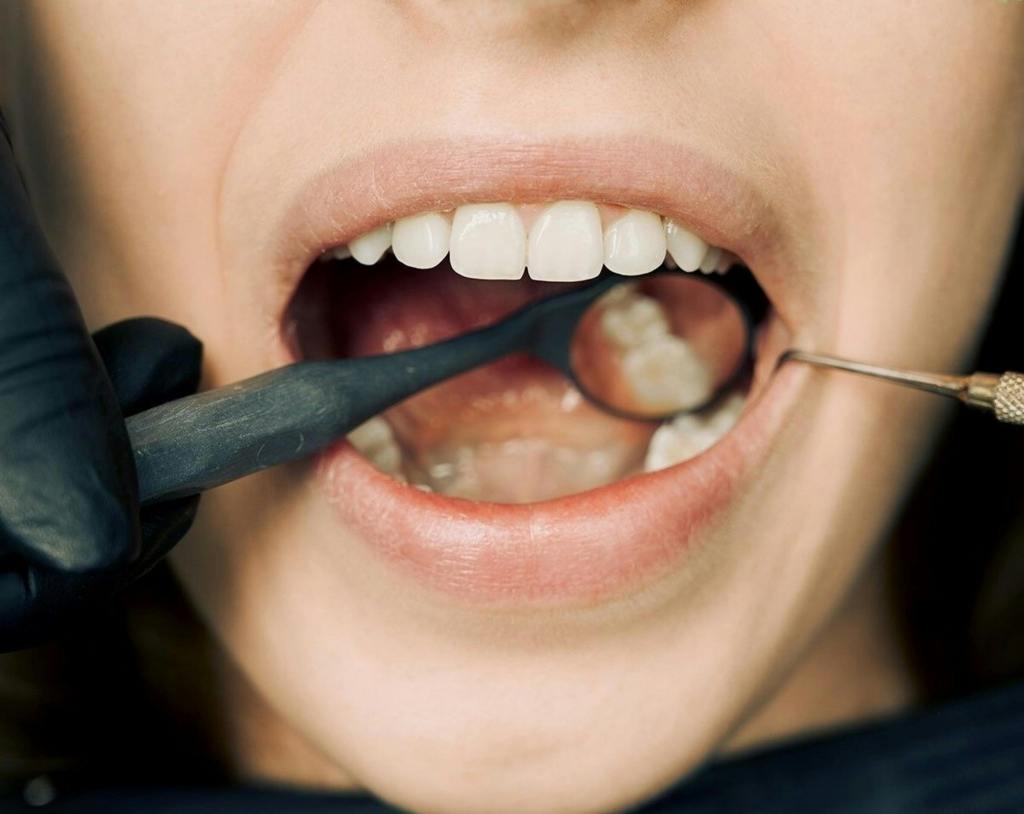
Your baby’s first dental examination gives you the opportunity to learn how to prevent dental disease for your child.
There are so many things to talk about concerning your baby’s mouth and teeth at this young age. Where do we start? Well, with your questions. They could be about teething, tooth development, jaw growth, oral hygiene, fluoride, diet, thumb sucking, pacifiers, or injury prevention.
You may want to know how often you should bring your baby for their dental examination. Or maybe your husband, mom, or mother-in-law has a question or two.
Are you asking yourself, what makes pediatric dentists so special? Pediatric Dentists educate you and make dental visits fun, positive and stress free for your child (and you). This journey starts in infancy.
Your child deserves a dentist who lays the foundation for a lifetime of good oral health.
No Cavities For You Our Love
How old was your baby when you saw their first toothy smile? When did you make their first dental appointment? What did you learn at that appointment? Tell us, we’d really like to know! Send us an email at kidstoothhotline@proton.me Like Us on Facebook
More tips? We have lots. We’re here just for kids!
Nighty Nite After Mommy And Daddy Cleaned My Mouth
As a pediatric dentist, my focus is to advise and educate you about good oral health for your child. As a mom, I know how important this is for our children’s future. The reason is simple. Starting oral health care when children are new borns and infants sets the foundation for a lifetime of healthy smiles.
We’re receiving lots of questions from parents about why taking care of their newborn’s and infant’s mouth is important, as well as how and when to start doing this.
Today we’re answering your questions about prenatal and infant oral health care.
What can a woman do during pregnancy to help her child develop healthier teeth?
Nutrition is very important for the oral health of your developing baby. Taking prenatal vitamins and minerals, as recommended by your Obstetrician, is key since their teeth are forming along with the other structures of the body between 7 weeks and 3 months of gestation.
We’re Having A Baby
Is there anything else a mother-to-be can do?
Expectant mom’s need to take good care of their own dental health during pregnancy and after their baby is born. A mother with a buildup of bacteria in her own mouth due to tooth decay (aka cavities) and/or periodontal (aka gum) disease, can actually transmit bacteria to her baby when kissing, sharing spoons, or licking a pacifier “clean”.
Same goes for dads and grandparents.
Drinking Water For Me and My Baby
At what age should a baby have their first examination with the Pediatric Dentist?
When you see their first tooth coming into their mouth, that’s the time to call for your child’s first dental examination.
There’s a lot to cover. Not only are their tooth/teeth examined, it’s important to discuss their diet, pacifier and thumb sucking, and the importance of cleaning the inside of your baby’s mouth with a wet washcloth to remove any sugar residue from milk, formula or juices. In addition, to talking about fluoride and testing well water for fluoride content.
Do regular Dentists see children this early?
Adult and family dentists don’t see children until at least age 3. But the impact of early childhood dental care is significant. If cavities form during this time, they need to be addressed before infection and tooth loss occurs.
How can I prevent tooth decay from a bottle or nursing?
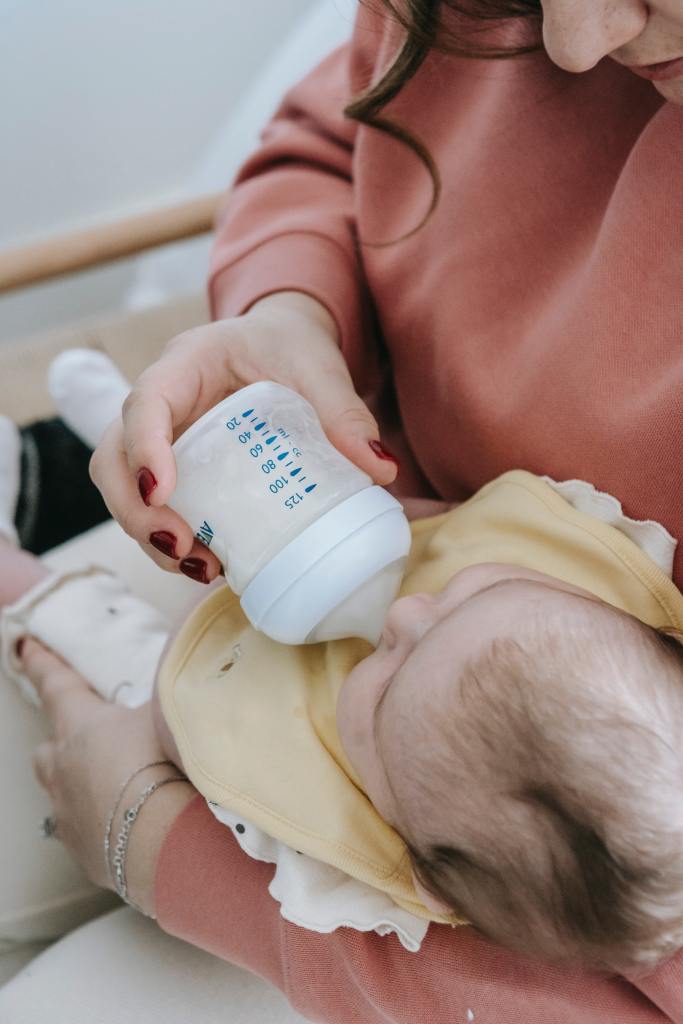
Children should not fall asleep with a bottle or after breast feeding. It’s best to clean their mouth after their feeding. Cleaning their mouth after each feeding helps stop the milk, formula, or juice from staying on their gums and teeth.
After Your Bottle Mommy Is Going To Clean Your MouthBreastfeeding My Baby Then I Will Clean His Mouth
When should bottle feeding be stopped?
Children should begin to be weaned from their bottle when you’re introducing table food. At this time they should also be introduced to drinking from a cup.
This is important for your child’s teeth. Prolonged use of the bottle means having milk or juice in contact with teeth for long periods of time, which can lead to tooth decay.
Should I worry about my infant’s thumb and finger sucking?
Digit sucking (thumb or finger or both) is perfectly normal for newborns and infants. Generally most children stop by age 2.
When should I start cleaning my baby’s teeth?
The sooner the better! Starting at birth, clean your child’s gums and mouth with a wet washcloth after each feeding and before you put them down for a nap or to bed.
Mommy Fed You And Cleaned Your Mouth Now It’s Time For Bed
Any advice on teething?
From 6 months to age 3, your child may have sore gums as teeth come into their mouths. Many children like a clean teething ring, cool spoon, or cold wet washcloth. Some parents swear by a chilled (refrigerator never freezer) teething ring; others simply rub the baby’s gums with a clean finger.
Remember, no numbing liquids, gel teething beads, teething necklaces, teething bracelets. The liquids and gel are toxic. While teething jewelry can be swallowed and cause choking.
How prevalent is tooth decay in children?
Tooth decay is the most common chronic disease in childhood.
Cavities are an infectious and transmissible disease established early in life and seen throughout life.
More children have tooth decay than have asthma. 20% of preschoolers, 50% of second graders and 75% of 15 year olds have cavities.
Grandma’s Kisses Make Me Smile
Have we answered your questions? Do you have any questions we haven’t addressed? What are your questions? How old was your baby when you started to clean their mouth? When did you make their 1st dental appointment? Did your baby ever go to sleep after breast feeding or with a bottle? Tell us, we’d really like to know! Send us an email at kidstoothhotline@proton.me Like Us on Facebook
Summer has flown by and back to school is right around the corner. Now there’s a new school schedule, a new sports schedule, a new teeth schedule; so what’s your new routine?
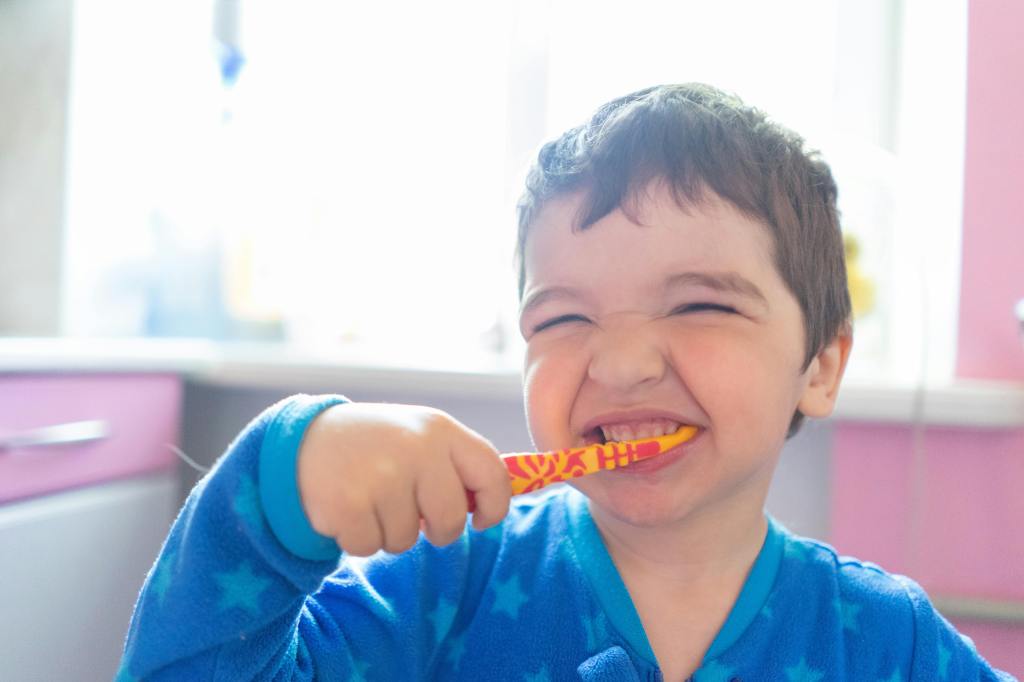
Re-energizing good oral health habits is easy when you add 2Minutes 2X’s a day to your back to school routine. Tooth brushing and flossing when teeth are touching, with mommy or daddy to watch, help, and set an example is always more fun.
We’ve put together some things to be on the look out for this new year.
Mirror Mirror On The Wall
Looking in the mirror to make sure you floss and brush away all the food and sugar that sticks to their teeth and tongue is a great way to teach and encourage healthy habits.
Watching Sugary School Treats
With so many goodies at school keep an eye on snacking and drink choices. With sugar less is more.
New Fluoride Prescription
This new school year may mean a new fluoride prescription or change in your child’s fluoride dose. This is important to discuss at your child’s check-up.
School Dental Note
Back to school also means Dental Notes for your school Nurse. Remember, healthy teeth means fewer visits to the Nurse and less calls to you.
Sports Safety
Protect their smile when participating in sports and physical activities. Talk about which type of mouth guard is best suited for your child’s sport at their back to school check-up.
At kidstoothhotline we’re serious about healthy smiles and want to help your child have the best and brightest.
When’s your child’s back to school day? Have you gotten that new toothbrush to go along with all their new back to school gear? How’s brushing and flossing going for those school pictures? Tell us, we’d really like to know! Send us an email at kidstoothhotline@proton.me Like Us on Facebook
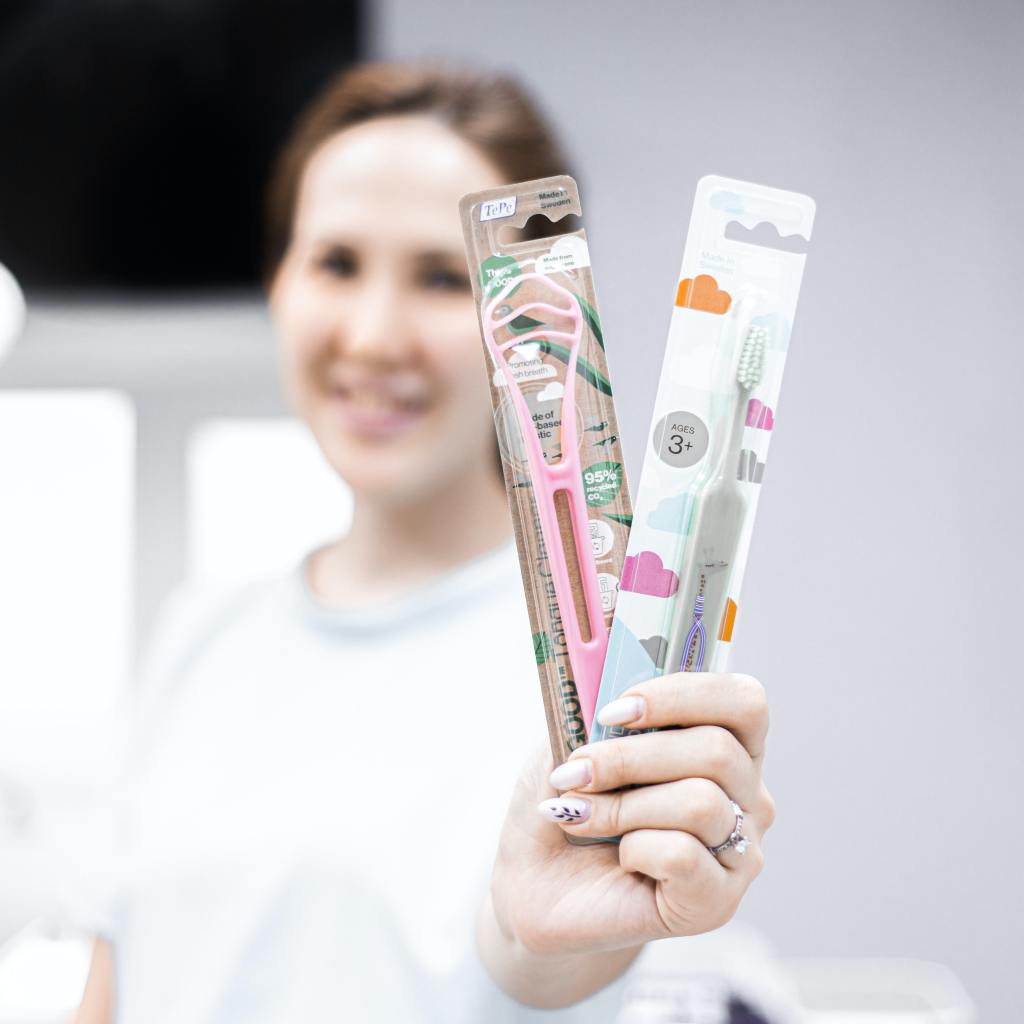
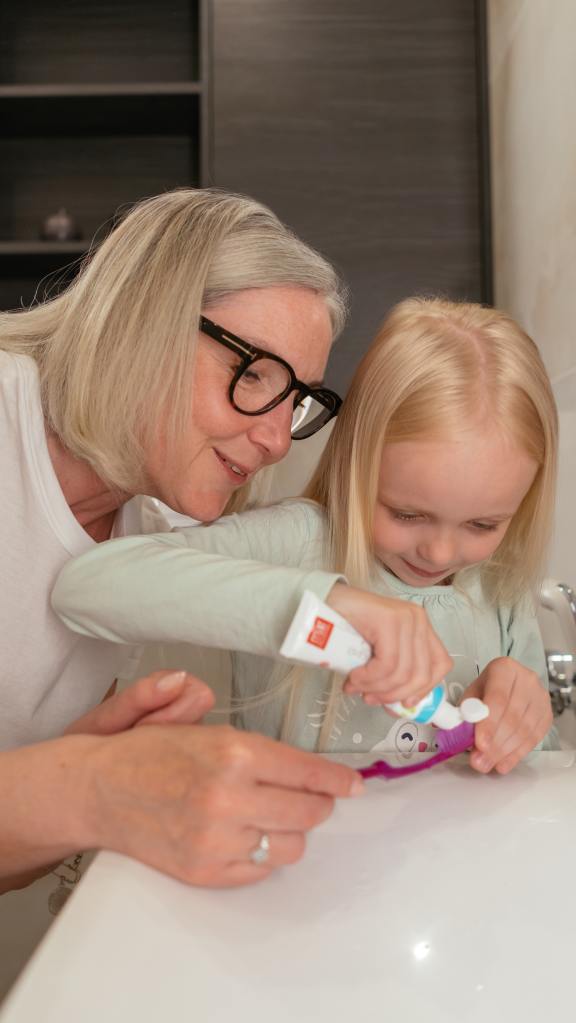
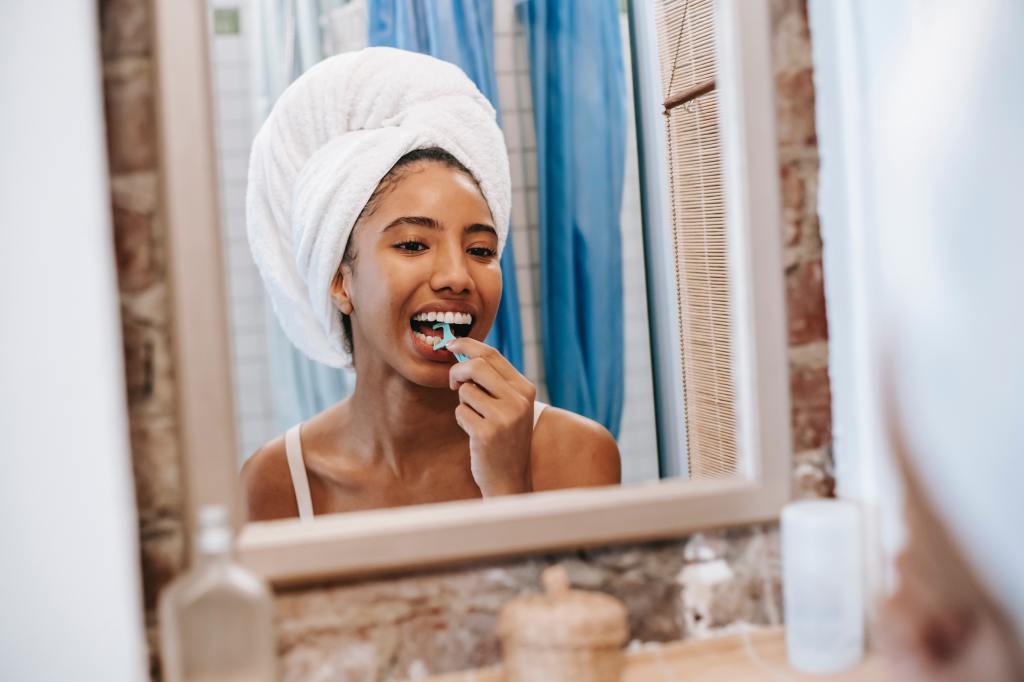
New Toothbrush and Tongue ScrapperFlossing Helps Give Me My School Beautiful SmileGrandma Is Showing Me How Much Toothpaste Goes On My BrushHealthy Teeth And Good Friends Keep Us Smiling.Mouthguard First Basketball SecondMy Nightly Flossing Routine After StudyingTime To Show Off My Freshly Brushed Teeth
More tips? We have lots. We’re here just for kids!
Yes, there was a time when it was thought that baby teeth weren’t real teeth. It was common to hear “they’re just baby teeth, ” and “they’re going to fall out any way.”
Well, that was then and now this couldn’t be further from the truth. Baby (aka primary) teeth are important in their own right and important for the adult (aka permanent) teeth which come later on.
Baby teeth begin to form when you’re 12 weeks into your pregnancy.
All 20 of your child’s baby teeth are forming during your pregnancy. Not only that, at the time you’re ready to give birth, their first set of adult molars are also starting to form.
I Will Protect You Forever
At What Age Does An Infant Get Their First Teeth?
Teething usually begins when a baby is about 4 to 6 months old. This continues intermittently until they’re 24 to 30 months old.
First Teeth
The first teeth to come into the mouth (aka eruption) are the bottom front teeth. The bottom teeth are followed by their top front teeth. By the time a baby is 12 months old, they have 10 baby teeth. When a child is about 24 months old they usually have all 20 of their baby teeth.
Getting Teeth
Why Baby Teeth Really Are That Important
Baby teeth may be small but they are a big deal for 4 important reasons~
They help children speak clearly,
Baby teeth allow children to chew their food,
They aid in normal growth of their jaws,
Baby teeth form the path that permanent teeth can follow when they are ready to come into their mouth.
Taking care of baby teeth early ensures that your child’s mouth is healthy and strong.
What are your thoughts about baby teeth? Have you given them much thought? Do you feel that since their baby teeth are only in your child’s mouth for a short time they aren’t important? Tell us, we’d really like to know! Send us an email at kidstoothhotline@proton.me Like Us on Facebook
We hear a lot about cavities in children’s teeth. Most of the time the response is “All children have cavities.”
Cavities (aka tooth decay) is common in children. However, if you’ve thought to yourself “Is it normal for children to have cavities?”, you’re not alone.
Today, we’re taking a look at what causes cavities, how to prevent them, and if it really is normal for children to have cavities.
What Is Demineralization?
Did you know that teeth are the only part of the human body that can’t repair itself?
Tooth enamel is the outer most layer of teeth and is made up of specific proteins, crystals, and minerals like calcium and phosphorus.
When teeth are in constant contact with foods which are high in carbohydrates (aka sugars), carbonated beverages (aka soda), and there are longer times (than you would like) between tooth brushings these minerals in enamel begin to breakdown and dissolve.
How Does Demineralization Work?
Everyone has bacteria in their mouths, even newborns.
When the bacteria comes in contact with the yummy sweet foods and drinks they produce an acidic environment in the mouth which causes the tooth enamel to weaken.
Why Is Demineralization Important?
Demineralization is important because the weakened enamel makes children’s teeth more vulnerable to cavities forming.
Cavities grow fast, especially in baby teeth because the enamel is super thin.
This is also important since it’s usually not only 1 cavity that forms. It’s several that form at the same time.
What To Do
We’ve put together some tips for you on taking care of your child’s teeth ~
For Your Newborn, Infant And Baby
Use a clean moist washcloth to wipe their mouths after every feeding and before putting them to bed.
Mommy’s Checking Your Beautiful Clean MouthMommy Always Cleans My Teeth And Gums
For Your Toddler, Preschooler and Kindergartener
You can also use a clean washcloth twice a day (as you would with a toothbrush) and add a rice grain size (think uncooked grain of rice) amount of fluoride toothpaste. Or if they allow you can use a soft toothbrush, use a rice grain size of fluoride toothpaste and brush for 2 minutes in the AM after breakfast and in the PM floss first and then brush for 2 minutes before bedtime.
And Now We Are Going To Brush Your TeethNo Cavity Club Member
For Your School Age Child
Use a soft toothbrush, a pea size (think small green pea) amount of fluoride toothpaste and brush for 2 minutes in the AM after breakfast and in the PM floss first and then brush for 2 minutes before bedtime.
Another Year Of Healthy Happy TeethClean Teeth, Ready For BedChecking Off That We Teeth Flossed And Brushed Tonight
For Your Tween And Teen
Watch them as they use a soft toothbrush, a pea size amount of fluoride toothpaste and brush for 2 minutes in the AM after breakfast and in the PM floss first and then brush for 2 minutes before bedtime.
Cavity Free, That’s Me
For Your College Student
You may still need to advise them and make sure they use a soft toothbrush, a larger pea size (think regular green pea size) amount of fluoride toothpaste and brush for 2 minutes in the AM after breakfast and in the PM floss first and then brush for 2 minutes before bedtime.
No Cavities Make Our Parents So Proud
What’s The Answer?
The good news is that cavities are preventable. With consistent oral care habits, you can reduce the risk of tooth decay for your child.
The key to cavity prevention is to start early. Even before your child’s first tooth comes into their mouth, you can start cleaning their gums with a soft cloth to remove any food and bacteria.
While cavities are a common concern for many parents, the truth is that with proper care, they can largely be prevented.
Do you think cavities are normal for children? How old was your child when you started their oral care routine? What tips do you have that works for your child? Tell us. We’d really like to know! Send us an Email at kidstoothhotline@protonmail.me Like Us on Facebook
More tips? We have lots. We’re here just for kids!
Growing up I was always the child in the dental chair. Check ups were a breeze for my siblings. For me, each check up brought another cavity or two. My parents chalked it up to “soft teeth.”
Fast forward to now. I’m a Mom and a Pediatric Dentist. I learned some tips and tricks that wouldn’t leave my children’s oral health up to genetics or luck. I’m happy to say that this approach has kept my children from having cavities.
It isn’t luck that contributes to good teeth. It’s about planning, consistency and adaptability.
Today, I’m sharing with you what I did to turn around my family trend of cavities and crowded teeth for my children; starting from when they were infants through their teenage years.
Cavity Prevention Tips
Before your infant’s 1st tooth even comes into their mouth, it’s important to wipe their gums. Use a damp washcloth after each feeding and before nap and bed-time to clean their gums and their mouth. Why? This way they become used to you being in their mouth so they won’t give you a hard time when they get older. Second, because you get used to being in their mouth so that when their teeth come in you’re in your routine.
Teething rings (never use gel or liquid filled) should be placed in the refrigerator only, never in the freezer. Why? Cool and cold is comforting. Frozen hurts and can stick to their gums.
As soon as your infant’s 1st tooth peaks through their gums it’s important to start brushing that tooth. The same goes as they get more teeth. When your child is younger than 3 years old, place a rice grain size (think of an uncooked piece of rice) amount of fluoridated toothpaste on a washcloth or soft baby brush twice a day.
For your toddler and pre-schooler child (starting at 3 years old) brush their teeth twice a day with a pea size (think of a small green pea) amount of fluoride toothpaste. They can spit the toothpaste out in the sink, they can let the paste drool out, or you can wipe the toothpaste off with a wash cloth.
Schedule your baby’s 1st dentist visit when their 1st tooth comes in. The latest should be by the time they turn 1 year old.
The same way every child’s tooth development is different, every child’s tooth positioning is different. For some children, orthodontic treatment may be beneficial even before their permanent teeth come in.
When your school age child starts playing sports, it’s time to consider a mouth guard. Why? A mouth guard protects your child’s teeth from injuries (think broken teeth).
Sealants are effective for preventing cavities on molars. They cover the groovy tooth surfaces with a protective coating. Why? This way nothing gets caught in the grooves of these teeth.
Always replace your child’s toothbrush when the bristles start to wear down. Why? They become less effective when they’re worn down.
With everything you have to do, it may be tempting to skip a day. Why not to? Turns out diligence and routine are the key.
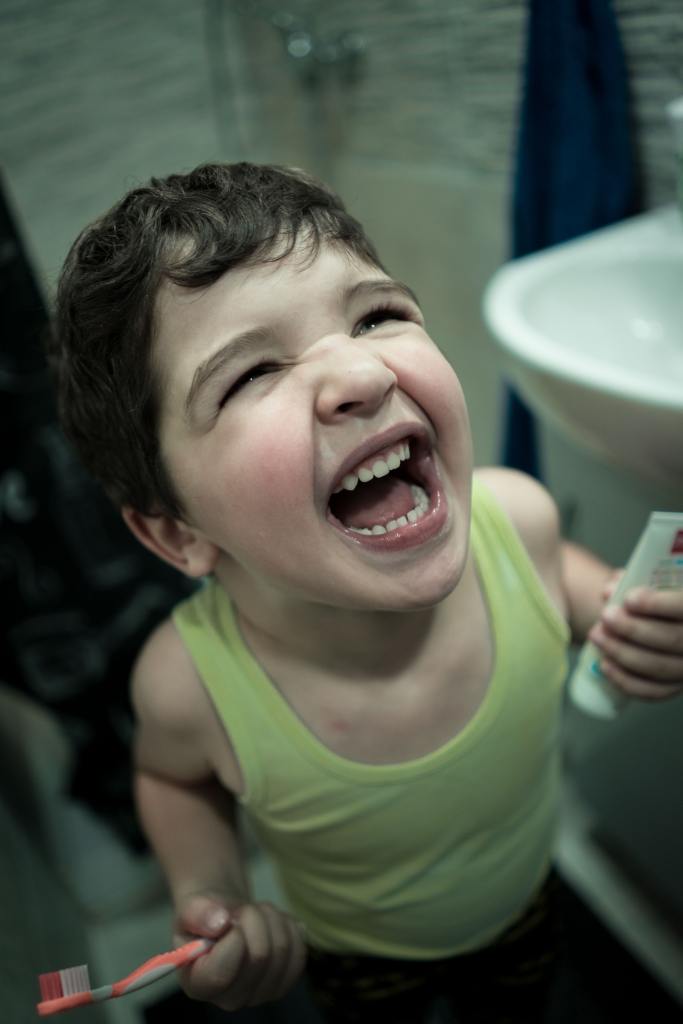
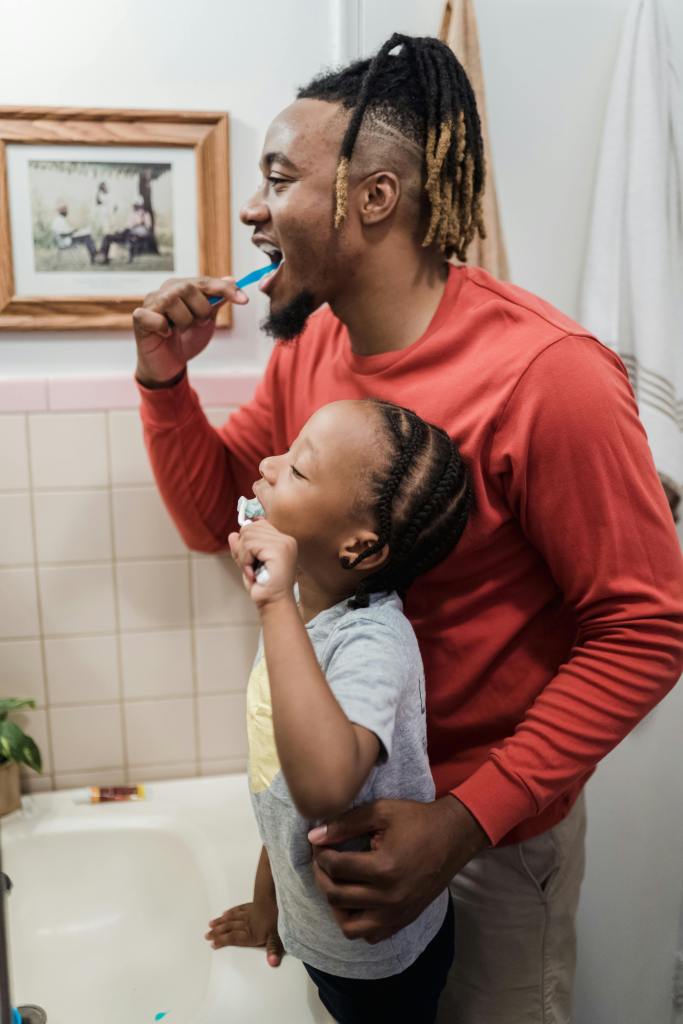
Happy Mommy, Happy Baby, Clean MouthMommy’s Brushing My TeethThis Is The Way We Brush My TeethI Make Mommy And Daddy So Happy When We Brush My TeethMy Cavity Free SmileCan You See My Sealants?Brushing My Teeth Just Like My Mom And Dad Taught MeMy 2 Minutes Of Toothbrushing Before Going To SchoolThanks Mom And Dad For Keeping Me Cavity FreeWe’re So Happy To Be Cavity Free
How is this going for you? What tip will you share? What’s your strategy to keep your child cavity free? Tell us. We’d really like to know! Send us an email at kidstoothhotline@protonmail.me Like Us on Facebook
More tips? We have lots. We’re here just for kids!
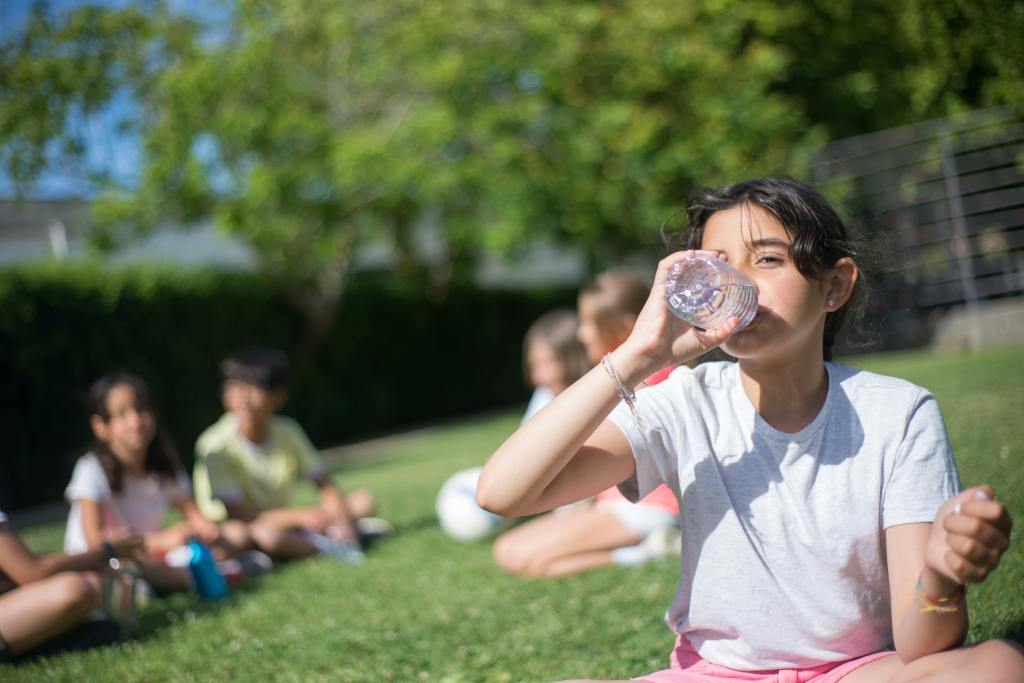
These are the reasons why water needs to be your go to summer drink for your child ~
#1. Juice, Soda, Sports Drinks or Water
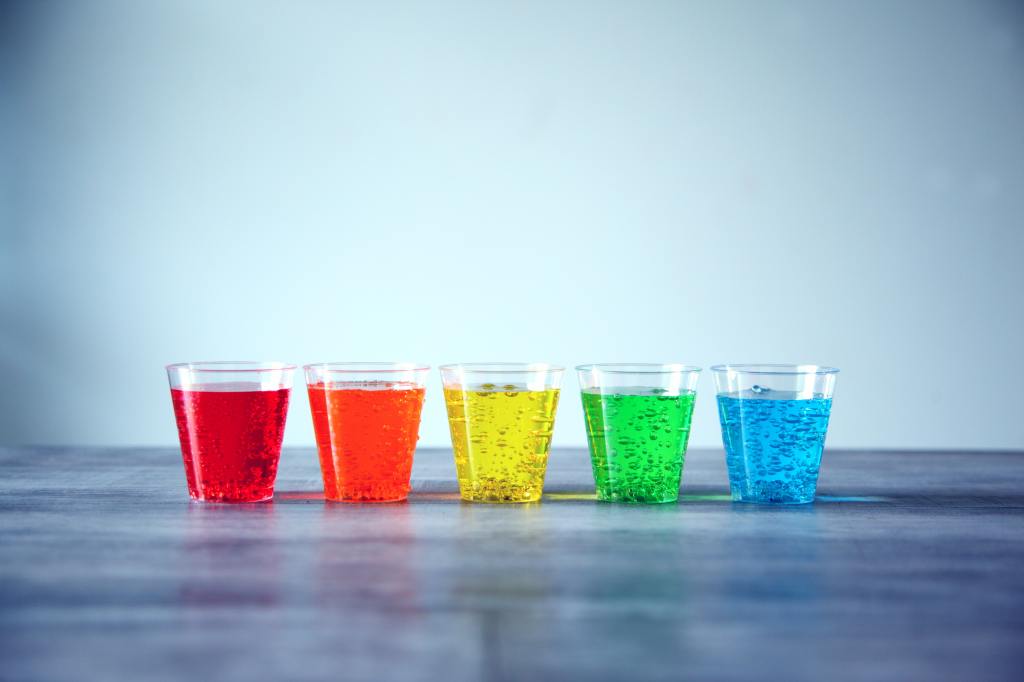
All beverages are not created equal. A serving of juice, soda or a sports drink contains extra sugar and calories while not quenching your child’s thirst. What really happens is they keep getting thirstier and asking for more.
Water has ZERO added sugar and ZERO calories. It’s also refreshing and quenches their thirst with the first cup.
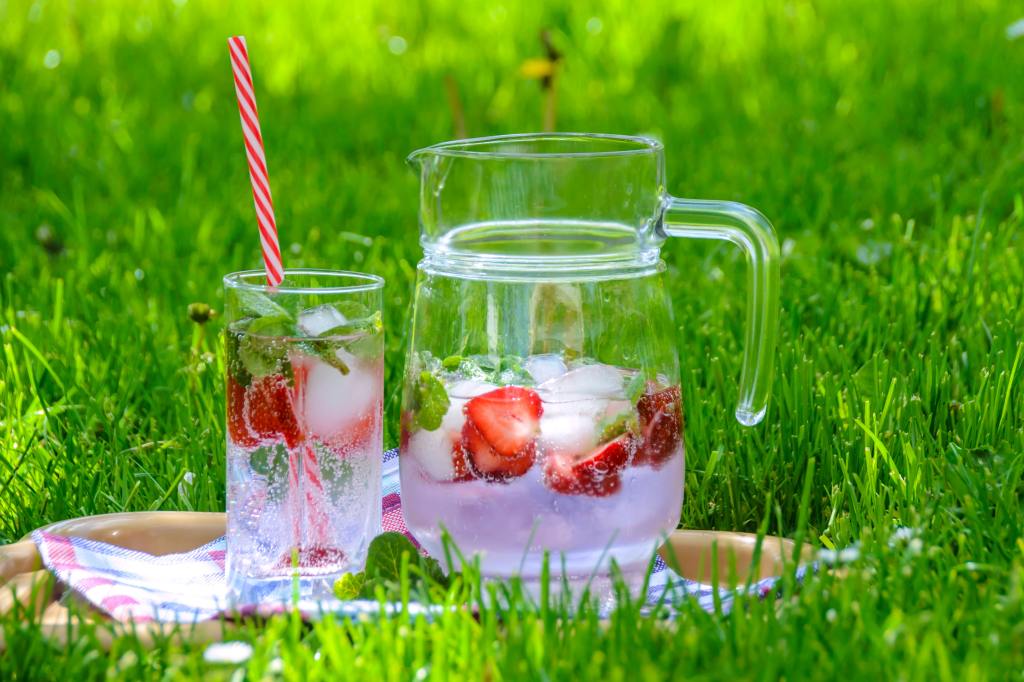
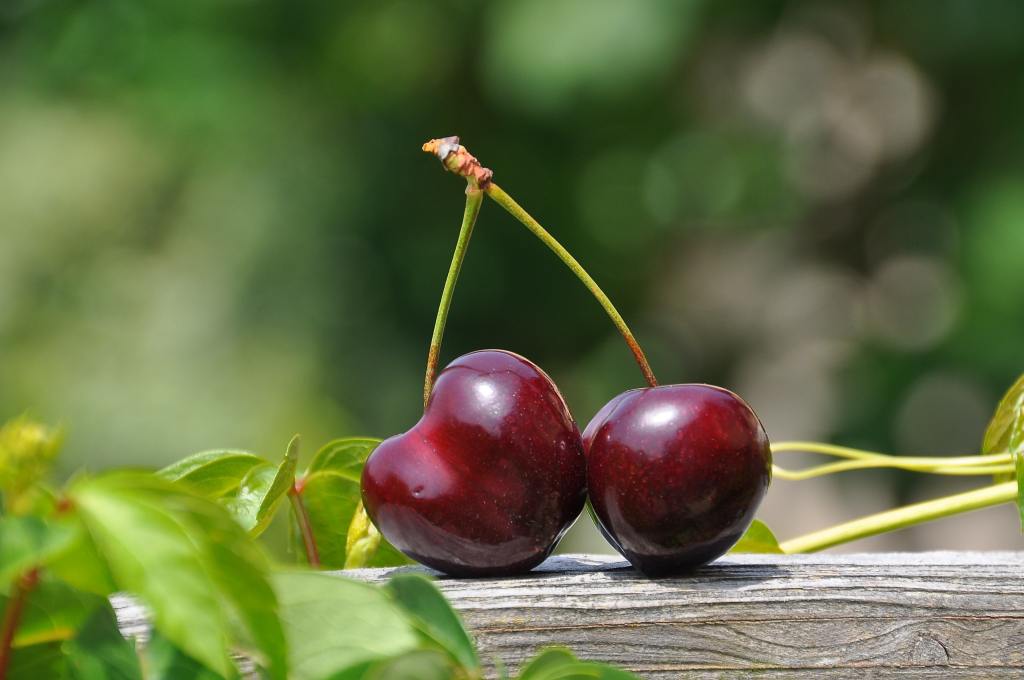
Are you worried that plain water is boring? Give your water flair. Dress up your water by drinking it icy cold (remember not to chew on the ice) which makes their cup taste better; so does adding slices of cucumber, a sliced berry or cherry to your water pitcher. Every one can have a turn choosing their water mix-in.
Remember to keep the cucumber, berry, cherry in the pitcher, so it stays fresh and tasty for everyone’s cup!
#2. Water Gives Your Child Strong Teeth
With Zero added sugar and Zero calories water is already going a long way to building strong teeth and healthy mouths.
What can make this better? Fluoride in your water. Fluoride is nature’s cavity fighter.
No added sugar, no calories and fluoride all add up to an easy and one of the most beneficial ways you can help prevent cavities.
My Mom Says I’m Her Best Water Drinker
#3. Keep Those Cavity Causing Bacteria In Check
Drinking all that juice (and yes even 100% juice), soda, and sports drinks leaves a lot of sugar on your child’s teeth. The cavity causing bacteria in their mouth love all this sugar. Not only does the bacteria eat the sugar, the result is the outer layers of enamel on their teeth are also worn away.
Water washes away the residual food in their mouth and dilutes any sugar residues that are left behind.
While you’ll need to make sure their teeth are brushed 2 Minutes 2X’s a Day and floss every night before brushing, making water your choice to drink goes a long way to happy healthy teeth, smiles and children.
Is All Water The Same?
The best water for your child to drink contains fluoride, is unsweetened and uncarbonated.
The reasons why are because ~
Water with fluoride helps to strengthen tooth enamel and reduce the risk of cavities,
Uncarbonated water is better for teeth as opposed to carbonated water which can weaken tooth enamel,
Water should be unsweetened because added sugars increase the risk of cavities.
How To Convince Your Child To Drink Water
There are 2 challenges for parents when you’re trying to have your child drink water.
The 1st is actually getting them to drink water. The 2nd is finding ways to make it fun, so they’ll keep drinking water.
These are some tips on how to encourage your child to keep drinking water ~
Let them choose their own water bottle or special cup,
Add a piece of fresh fruit like strawberry or cherry to the water pitcher,
Make ice cubes with pieces of fresh strawberry or cherry,
If fruity isn’t their style, try adding slices of cucumber or a sprig of mint to the water for a refreshing taste,
Buy fun straws for them to drink with,
Make a sticker chart with daily or weekly water drinking goals. Every cup of water that is finished to the last drop earns a sticker. Count up the stickers weekly or monthly. When the goal is reached, it’s time to reward your child’s healthy drinking with a prize.
Remember your children are watching and learn by your example. Set an example for your child by drinking more water yourself.
What’s in Your Water Bottle Mom and Dad?
Let’s face it children are always watching what their parent is doing. With your encouragement, daily routine and positive reinforcement your child can learn to make water their beverage of choice.
My Mom Always Says Water Is The Best Drink
What’s in your child’s cup? bottle? drink bottle? Is it a struggle for your child to drink water? Do they take a sip of water, hand the cup back to you and then ask for something else? Can you count on one hand how many cups of water your child will drink in a week? in a month? Tell us, We’d really like to know! Send us an email at kidstoothhotline@proton.me Like Us on Facebook
Water Keeps Me Cool While I’m Walking My DogWater Is The Best Thirst QuencherWatching The Water While We’re Drinking Our WaterWater Always Quenches My Thirst After A Good GameWater Always Hits The SpotI Love Drinking Water From My CupWater Tastes So Good On A Summer DaySummer Fun And Keeping Hydrated With WaterOur Motto – Drink WaterWater Is My Good Night Drink
More tips? We have lots. We’re here just for kids!
Summer is here and we’re all looking forward to being outside playing sports, running, swimming and having fun.
With all that playing it’s only a matter of time before you hear “Mom, I’m thirsty. What do you have to drink?”
What do you reach for to satisfy your child, their thirst, and keep them hydrated?
As a parent you know that juice and soda are not good for your child’s health and their teeth. Do you know that sports drinks may be considered healthy but are actually loaded with sugar?
What’s In Sport’s Drinks?
Sports drink companies do a great job trying to convince us these drinks have magical powers.
While doing this they are leaving out that their beverage is a combination of salts and minerals (also called electrolytes) like sodium, potassium and phosphate mixed together with artificial colors, artificial flavors and a lot of sugar.
All this sugar makes the sports drinks less effective for quenching thirst. This is because children are using the water in their body to metabolize all that sugar.
Healthy Choices Matter – Who Say’s So?
It may seem like a good idea to reach for a sports drink to ward off dehydration on a hot day when your child has been playing or exercising.
Your child’s healthy body already maintains a reserve of these electrolytes by eating healthy meals and drinking water. Their body can tap into this when it needs to keep their fluid and salt balance in check.
They’ll Drink It Because They Like The Taste
Sports drinks taste so good because they’re jam-packed with sugars. These sugars, flavorings and colorings are bad news for teeth.
Our recommendation to you is to please think twice before offering a sports drink to your child.
What’s The Best Drink For My Child?
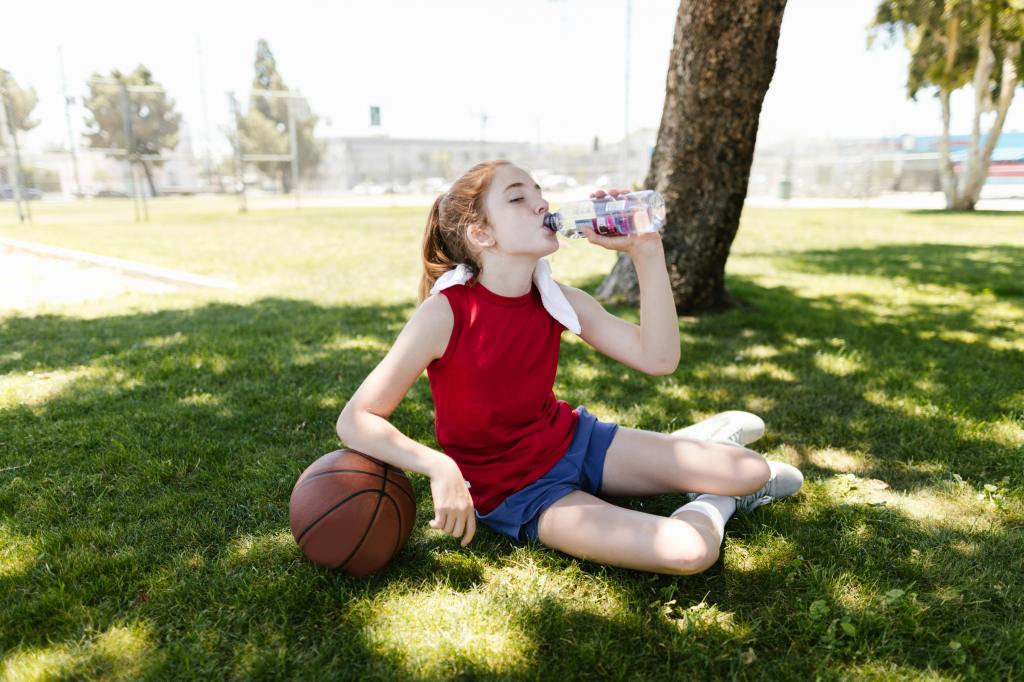
Water is the best drink because it keeps children hydrated without any sugar.
My Favorite Summer Drink Is Water
What is your child’s favorite thing to drink? Are sports drinks your family’s go to drink in the hot weather? or any time of year? You’re busy but have you read the ingredient label? Tell us, We’d really like to know! Send us an email at kidstoothhotline@proton.me Like Us or Chat with us on Facebook
More tips? We have lots. We’re here just for kids!
Looking At The Stars After Flossing And Brushing On Our Staycation
Summer is here and everyone is excited about fun in the sun!
Summer time is busy for your family. With pool parties, bbq’s, ice cream treats, camp and summer vacations, it’s easy to let dental care slip. With our help you don’t have to.
We’ve put together for you our top tips for you to help your child’s teeth stay healthy all summer long.
STAY WITH YOUR ROUTINE
Brushing and flossing is just as important in the summer, especially with all the icy sugary treats to keep cool.
Stay with your consistent daily routine and add a twist.
Do something fun while brushing to keep your child’s attention long enough for you to brush all their teeth.
Brush and floss together and have a brush-a-thon to your child’s favorite tunes.
Pack a sticker chart for a fun daily tooth brushing reminder and,
Look for your child’s favorite flavor toothpaste or toothbrush and flossers with their favorite character for camp.
WHAT ABOUT BOTTLES AND SIPPY CUPS?
During your travels breast feeding, bottles and sippy cups may be good for comforting your child. However falling asleep with anything in their mouth increases your baby and toddler’s risk for cavities.
Keep a wash cloth handy in your bag or carry-on to wipe their mouth and teeth.
KEEP YOUR TRAVELING DENTAL KIT HANDY
Put together a dental kit for your travels whether you’re taking a car trip, a plane trip, or sending your child to summer camp.
Pack a kit and a spare (or 2) with floss, toothbrush, toothpaste, fluoride rinse for everyone.
Remember to keep it on you in a carry-on bag so it’s easily accessible.
HEALTHY SUMMER SNACKS
Special foods are fun when eaten along with tooth friendly options like fresh fruit, veggies, whole grains, and dairy.
Choose fresh fruits and veggies like apples, carrots, and celery which provide essential vitamins and also help clean teeth.
Same for cheese and yogurt (without added jellies, jams or crunchies).
These snacks are high in calcium and phosphate, which can help strengthen tooth enamel.
STAY HYDRATED, CHOOSE WATER
Juice boxes and cans of soda may be convenient, but the soda and fruit juices don’t quench thirst for long and even make children thirstier.
Plus the sugars in those beverages weaken the outermost tooth layer (aka enamel) causing teeth to look dingy and increases the risk of cavities.
Why Water?
Water is refreshing.
It’s best for keeping your child hydrated and for helping to keep their teeth healthy.
Drinking water helps wash away food particles and bacteria and,
Keeps saliva flowing which is essential for helping prevent cavities.
POOL’S RULES
Everyone loves the pool. With so much excitement, so many people, and water splashing everywhere there’s always a chance for a slip, a fall, and potential tooth injury.
It’s important to follow the pool’s rules about diving, diving boards, jumping into the pool and running poolside.
No one wants to leave the pool to go to the dentist because of a tooth accident. Stay safe and follow the rules.
SMILE PROTECTOR
Summer means being outside more. This is the time to have fun swimming, biking, skate boarding, riding their scooter, or playing sports.
However, this fun can sometimes lead to a dental accident.
It’s important to make sure your child wears a mouthguard when playing sports and other physical activities.
This one step can help protect their teeth from potential injuries.
ENJOY YOUR CHILD’S HEALTHY SUMMER SMILES!
While you’re on summer vacation your child’s teeth aren’t. Following these tips helps you stay on track with their dental health.
What is your family looking forward to doing most this summer? What is your child’s most favorite must have snack?, Most asked for drink? and Their most asked for summer food? What are your favorite summer family traditions? Tell us, We’d really like to know! Send us an email at kidstoothhotline@proton.me Like Us on Facebook
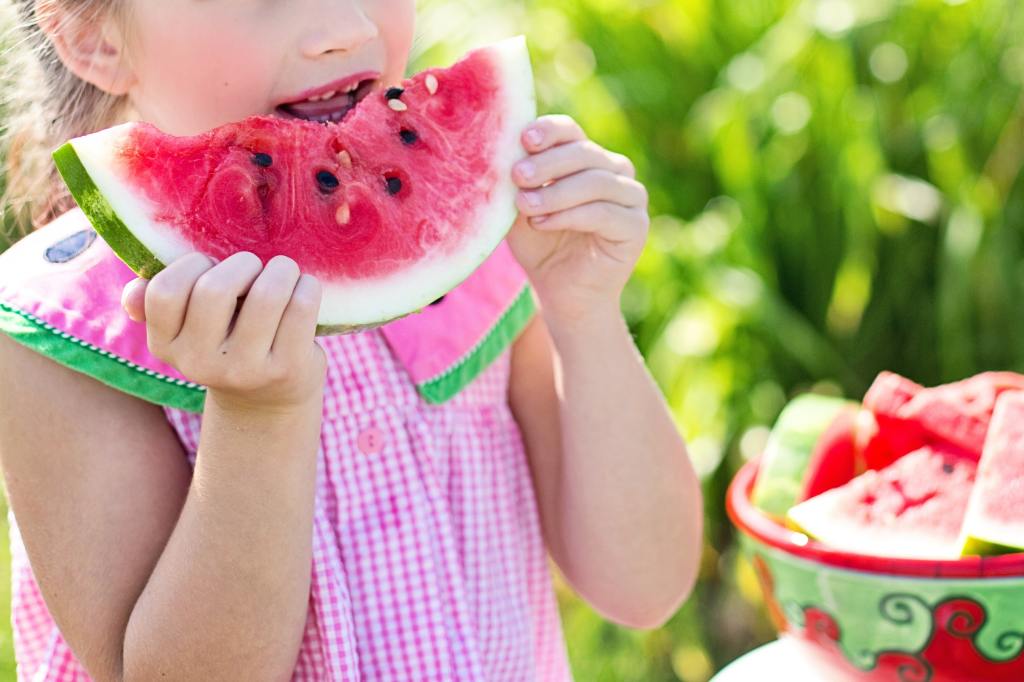
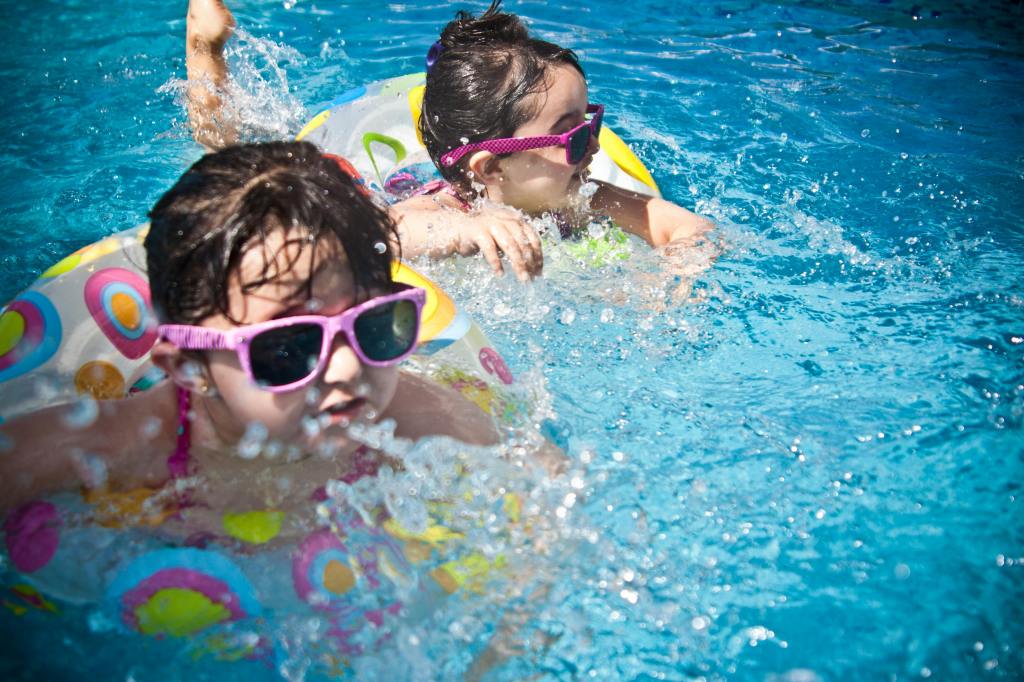
Hello SummertimeLoving Our Strawberry WaterYummy Gelato, Which Is Your Favorite?Summer’s Here And We’re Gonna Have FunSummer Fun Eating Ice cream With MommyCherries Are The Best Summer Fruit Happily Eating WatermelonSummer Fun At The Amusement ParkShowing Off My Dazzling Summer SmilePool Time After Toothbrushing TimeMommy Packed My Dental Kit For Me To Use At My CampMommy And Daddy, Did You Remember To Pack Our Toothbrushes And Flossers?Showing Off My Pearly White TeethProtecting Teeth While Having Fun At The BeachLunching With My Favorite Summer Foods PoolsideCruising Along With Our Healthy TeethKeeping Teeth Healthy And Making MemoriesMommy’s First Rule Of The Day Is To Brush My TeethShowing Daddy How Beautiful My Teeth Are After Mommy Brushed Them
More tips? We have lots. We’re here just for kids!
Wishing you a fun and happy Independence Day filled with food, family, friends, fresh air, sunshine with a whole lot of smiles, and lots of ice cream!
What are your family’s plans for the 4th? Working? Watching fireworks? What’s on the BBQ? Which ice cream flavors are on the menu for your celebration? Tell us, We’d really like to know! Send us an email at kidstoothhotline@proton.me Like Us on Facebook
What’s On Your BBQ Menu For July 4th?
From each of us at Kidstoothhotline to each of you ~ Happy 4th of July!
Amazing Fireworks For The 4th Of JulyEnjoying Our Special Cupcakes Made For The 4th Of JulySo Many Yummy Red, White And Blue Treats For Our July 4th PicnicHappy 4th Of July BirthdayWe’re Having So Much Fun At Our 4th Of July PicnicOur Parent’s Set Up A Picnic Just For UsWatching Fireworks On Independence Day
More tips? We have lots. We’re here just for kids!



































































 kidstoothhotline