
Dental Care for Your School Age Children

My Mom Is Teaching Me How To Brush My Teeth

In the Know for You to Know

Why are regular dental check-ups so important?

Check-ups every 6 months are a time to talk about your oral hygiene routine and the increasing role your child is taking in their own oral health. It’s discussing fluoride, your child’s diet on their teeth, habits, and what you can expect in terms of growth and dental development. And depending, we may talk about sealants.

What should we be doing at home?

Supervise, encourage and model your child’s daily flossing and brushing routine. This allows you to reinforce why they need to brush for a full 2 minutes twice a day and floss before brushing each night. There’s lots of fun ways to brush, check out 2min2x.org.

Teething Again?

In a different way. Now it’s the Adult teeth which are coming into their mouths. Around the age of 6 bottom and top front teeth come in followed by the very back (behind the baby teeth) molars. Age 7 it’s the side teeth. Between 9 and 11 years old the eye teeth (canines) come in. Around 12 their second set of adult molars comes in, and you guessed it, they are called the 12 year molars. Around this time their baby molars are being replaced with their premolars.

Are children afraid of the Dentist at this age?

Yes and no. Some may cry, others may be hesitant, and others will be happy to be there. If you have concerns talk with your Pediatric Dentist. Pediatric Dentists are experts in how to make dental visits a positive experience for your child.

When are X-rays taken?

Pediatric Dentists follow the protocol established by the American Academy of Pediatric Dentistry. There are certain times when it is important to take an x-ray and the information we see is valuable in helping take care of your child. Be assured that dental x-rays are very safe, we’ve come a long way in technology.

Are mouth guards important?

In one word, Yes. Children this age are starting to participate in gym, recess, after school athletics, and/or school sports, so it’s important to be aware of injury prevention. A mouth guard is recommended at this age for any sport that leads to contact with a surface or another person. For the same reason children wear helmets and shin guards, or use foam mats as part of their equipment they also wear a mouth guard, and that is for their Safety.

Remember Your Goal

With good oral care at home and regular twice a year check-ups your child has the potential to become an adult without ever suffering from a cavity or other oral health issues. This is priceless.

More tips? We have lots. We’re here just for kids!
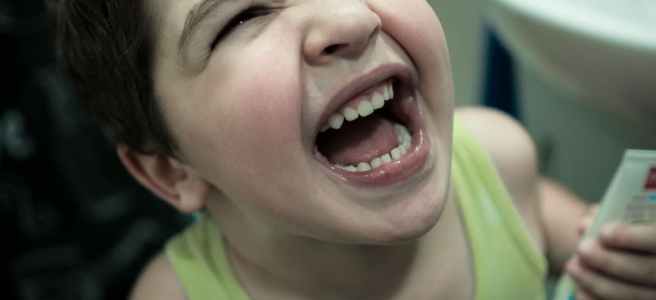
Yesterday was Halloween, Do You know what Today is?

Nice Clean Teeth

In the Know for You to Know

Yes today is the day after Halloween, and today is also a special day. Try to guess —

Think you know? You’re getting there. YES, today is NATIONAL BRUSH DAY

Happy National Brush Day

Every year we celebrate National Brush Day on November 1st. To make up for those extra sweet indulgences from yesterday we celebrate today so we can get back into our healthy routine including brushing our teeth.

2 Minutes 2 X’s A Day

How do we celebrate?

On this day it’s being especially mindful of how important brushing your family’s teeth for 2 minutes 2x’s a day is for everyone. Brushing is fun when you do it together and watch videos to make sure you get into all the nooks and crannies. Check out www.2min2x.org for fun brushing.

What equipment do I need?

So it’s game on. The 3 pieces of equipment you need are a soft tooth brush (age appropriate size), a “dab will do ya” size of toothpaste (fluoride preferred), and a flosser.

What comes next?

Remember to floss first. I know everyone says to brush and floss. Flossing first allows you to take out the yucky stuff that gets caught in between their teeth (there’s always stuff) and then you brush all that away at once.

If you floss second, you’ll have to brush again to take the in between teeth icky stuff away.

When do we do this?

Brushing for 2 minutes in the morning after breakfast and for 2 minutes before bed (and after flossing) is a great way to healthy teeth and gums.

Your child eats breakfast at school? Bring their tooth brush and tooth paste with you in a plastic bag and ask the Cafeteria Monitor which bathroom you can use to brush their teeth.

Your child doesn’t like to eat breakfast? We all know that although this is not a good idea there are some children who just can’t eat in the morning, BUT they still need to brush their teeth before going to school.

How often do we do this?

7 days a week/365 days a year. Yes even on school days, holidays, vacations and weekends.

When should we start?

If you haven’t already, today is a great day to start. So this way, National Brush Day will always be your anniversary for good oral health!

HAPPY NATIONAL BRUSH DAY from US to YOU!

More Tips? We have lots. We’re here just for kids!

Taking your Preschooler to the Dentist

In the Know for You to Know

Wondering how often your Preschooler should see your Pediatric Dentist?

Or, What you should be doing at home? Maybe you’ve been thinking it’s time for your appointment but you’re not sure because your child loves to explore and sitting still is challenging, but you need to go because there’s that tooth that is turning color from when they were running and tripped and you’re really concerned. So what do you do?

First things first – make the appointment. This way you and your Dentist will approach this together. For 2, 3, and sometimes 4 year olds you may sit facing each other with your knees touching and laying your child across both of your laps. This is known as knee-to-knee with your child’s legs around your waist and their head in your Dentist’s lap facing you. There are times when they will want to climb up onto the dental chair and sit there smiling from ear to ear and opening wide to have their teeth counted. Sometimes a little reassurance is needed to sit in the chair alone, or they may want to sit on your lap. What’s important is to be positive and have fun.

What do you do at these visits?

Your child is growing fast. During these visits we examine the growth of their head and neck, their mouth, their teeth, their bite and so much more. We also talk about your oral hygiene routine for them, if your child needs fluoride supplements, diet and how it affects their teeth, and what you can expect in terms of their growth and dental development over the next few months. We also discuss any habits like thumb sucking, finger sucking, or pacifiers.

Brushing teeth at home

Children really do need help brushing their teeth. It’s adorable to watch them brush their front teeth, but what about their back teeth? For young children it’s a good idea to lie them down on the bed with you sitting to their side so you have the best view of their mouths and support their head. If you are right handed sit to their right. If you are left handed (like me!) sit to their left. If there are two of you you both can do this. You can use a soft wet wash cloth or a toddler size soft toothbrush with a teeny tiny rice grain size of fluoridated tooth paste on the brush. Remember a dab will do ya and lift their lips to see the full teeth. Keep some wet wash cloths close at hand to wipe their teeth, tongue, gums, and cheeks when you’ve finished brushing.

Let your child watch you brush and floss. They love to do things you do, so watching you and being a part of your daily oral hygiene routine instills this in them even at this young age, and best of all you are doing this together.

What do I do if an unexpected injury happens?

Children love to explore. Whether they toddle, walk, run, climb or jump the possibility of teeth getting hurt is there. Falls are also causes of tooth or mouth injuries. Children who have seizures are at risk for tooth and/or mouth injury. The teeth most often hurt are the top and bottom front teeth. Teeth can be moved or broken, they can change color, and the gums, tongue, cheeks or lips can be cut or bruised. Always keep your Pediatric Dentist’s phone number in your phone and call for help if anything happens or go to the nearest emergency room.

Pediatric Dentists stand by their families to lay the foundation for a lifetime of good oral health.

More tips? We have lots. We’re here just for kids!

Did You Know A Mouth Guard Can Really Protect Your Child From Sports Injuries?

In the Know for You to Know

Play Sports?

Can you guess how many children are injured while playing sports every year? The number may surprise you.

More than 3.5 Million children under 14 years old are hurt while playing baseball, basketball, skateboarding, and other sports and recreational activities. What’s also surprising is that the majority of injuries are to the teeth, lips, tongue, face and jaws.

As a parent what can I do to help prevent this?

Making a simple addition to your child’s sports equipment can protect them from potentially serious face, mouth, and head injuries.

Soccer has shin guards. Hockey, T-ball, and football have helmets. A mouth guard can also be a part of their uniform.

Mouth guards aren’t only for contact sports like football and hockey. Face and mouth injuries are just as likely to occur in sports like gymnastics, basketball, lacrosse, karate, skateboarding, and bike riding.

Dental injuries during basketball mostly occur from an elbow to the mouth

Did you know that 20% of face and mouth injuries occur in basketball, 17% in baseball and 11% in soccer?

Any time you have potential contact with another person or surface, you will have accidents resulting in broken teeth, gum and tongue injuries, jaw fractures and even more serious trauma to the head and neck.

Concussion Risk

Mouth guards can actually help to prevent concussions and head injuries by preventing a chain reaction that can occur when injuries to the mouth travel upward into the brain.

Fit is key

Mouth guards are available in several options, from the off-the-shelf type that is boiled and molded at home to a customized guard made by a Pediatric Dentist that ensures a proper fit. Any mouth guard is better than none, the options offer varying degrees of comfort and protection. If your child has braces check with your Orthodontist about fitting a guard over their braces.

A properly fitted mouth guard will be comfortable, and will not inhibit speech or breathing or make your child feel nauseous. When it feels okay, it is much more likely to  be worn. 

Protective Sports Equipment

A mouth guard is a simple piece of protective sports equipment that can make a critical difference if an injury is sustained to the mouth or face. Nobody wants to miss half of their game to spend Saturday afternoon at the Dentist’s office or the emergency room. By taking this simple, protective step this scenario is a lot less likely to materialize. 

More tips? We have lots. We’re here just for kids!

Halloween Tips for Healthy Teeth

In the Know for You to Know

Halloween will soon be here

What costume will you wear?

Will it be trick or will it be treat?

If you choose treats, what will they bee?

and what will you do to keep your teeth healthy?

If it’s sticky, it gets stucky and that’s so yucky!

Stay away from gooey fruities, caramels, and other chewy candy.

Drink water to help wash away the sticky chewies.

Water is really good for you and your teeth. Have you ever seen a vampire with a cavity?

Brush your teeth in the morning and at night, and remember to floss before you brush.

It takes 2 minutes of brushing to clean away all the candy that’s on your teeth and flossing to remove what’s gotten in between your teeth.

Smooth chocolate is the best. It sliddddes off your teeth.

Choose 5 pieces of candy, eat them all at the same time and you’re done.

No hiding those other candies for snacking later.

Follow these tips and your teeth will be Spooktacularrr!

More tips? We have lots. We’re here just for kids!

Putting Your Baby to bed with a Bottle, What’s all the fuss about?

In the Know for You to Know

It’s about keeping your Baby’s and Toddler’s teeth healthy.

Did you know frequent and prolonged exposure of a Baby’s teeth to sugary liquids can lead to cavities at an early age?

This used to be called “Bottle Rot” and “Baby Bottle Cavities.” Today we call this Early Childhood Caries or ECC.

What is Early Childhood Caries?

Early Childhood Caries are cavities which happen with frequent sleep time bottle feeding or breast feeding on demand, or using a bottle as a pacifier when babies are fussy and you’re trying to to put them to bed. Bottle feedings and sippy cups with juice, milk with flavored syrups, and frequently consuming sugar-added snacks and drinks.

How do I know this is happening?

What does this look like?

There is a very specific look to the teeth and pattern in how this happens.

Have you noticed white spots on the teeth or around the gum lines? This is what early stage cavities look like. Those extra white chalky looking spots that don’t match up with the rest of the tooth color. This is the time to visit your Pediatric Dentist for early treatment.

As cavities get bigger those white spots change color to brown or black and become holes in the teeth. The holes continue to get bigger and pieces of tooth start to break off. You may notice red swollen gums or bad breath. You may notice a pimple on the gums, or a new onset fever which indicates an infection is brewing.

Which teeth are involved?

The most noticeable are the top front teeth. Eventually, some sooner than others, they all become involved. You may notice this on the back teeth when your Baby opens really wide and pulls their head back.

This is the point when you really have to see the Pediatric Dentist. Letting this go any further is not an option.

They’re Baby Teeth, why are they so important?

A lot of people feel that because baby teeth will eventually fall out and adult teeth grow in, there is no reason to take care of baby teeth; however this is a very common misconception.

Cavity ridden and infected baby teeth have an impact on a child’s health and can cause many health problems.

Healthy baby teeth are important to allow your Child to be pain free, help them chew their food properly, give them their adorable smile, allow them to speak well, and to grow healthy and happy.

What can I do to decrease the risk of my Baby developing cavities?

The answer comes down to 4 simple to do things –

Clean your Child’s mouth with a wet wash cloth after each feeding from the time they’re born,

Avoid letting them go to sleep without cleaning their mouths,

Avoid sugary and starchy liquids and foods,

Schedule your first Pediatric Dentist appointment as your Child’s first tooth is coming into their mouth.

Now tell me, What is Your Goal for Your Child?

More tips? We have lots. We’re here just for kids!

You Asked, Here Are The Hacks to Your Pregnancy and Infant Oral Healthcare Questions

In the Know for You to Know

What can I do during my pregnancy to help my child have healthy teeth? Nutrition is always very important and especially for the oral health of your growing baby. A good place to visit for healthy eating tips is myplate.gov. Taking your prenatal vitamins as recommended by your Obstetrician is key since your baby’s teeth are forming along with other important body parts between 7 weeks and 3 months.

I’m having my first baby and following my OB’s instructions. I can’t help wondering, is there anything else I should or could be doing? Congratulations first time Mommy!! My question for you is, when is the last time you saw your dentist? It is so important to take care of your own oral health during your pregnancy and after your baby is born. This also holds true for Daddy, Grandma, Grandpa and everyone who is going to hold, kiss, and feed your baby. You see if someone has active cavities or gum disease the bacteria in the saliva can be passed along to your baby by kissing, sharing spoons, and licking a pacifier. So remember to see your Dentist for regular check-ups, brush twice a day and floss before your nightly brushing.

I heard babies can get cavities from bottle and breast feeding. I’m going to have to do a combination of both since I’ll have to go back to work. How can I prevent this from happening? Start when your baby is born. Even before teeth come in it is important to wipe their gums, cheeks, tongue, roof of their mouth after each feeding with a wet wash cloth and also before you put your baby to bed for their nap time or bedtime. Remember not to ever put your baby to bed with a bottle and don’t let your baby fall asleep while you are breast feeding. The reason is that the sugar will sit in their mouth and eventually on their teeth, which is what causes cavities.

I have terrible teeth. When should I start cleaning my Baby’s teeth? The sooner the better. Before your babies teeth come in use a wet wash cloth to wipe their gums, cheeks, tongue, and the roof of their mouth after each feeding and before you put them down for their nap or bedtime. Once teeth start coming in it’s necessary to clean those pearly whites, their gums, cheeks, tongue and roof of their mouth after each feeding and before putting them down for their nap or bedtime. Whether you use a wash cloth, baby tooth brush, or finger brush, remember to lift their upper and lower lips to see their whole tooth.

Do you have any advice on teething? From 4 months to 3 years old you may see sore or swollen gums as your child’s teeth start to come into their mouths. Some children may run a low grade fever, some may have diarrhea, some may tug at their ears, or some may just show you their toothy grin. If need be, it’s best for you to hold and gently rub a cool wet wash cloth on their tooth bumps. Never use teething rings, teething gels, gel pads, teething beads, teething necklaces, teething bracelets, or any kind of pain reliever without discussing this first with you Pediatric Dentist or Pediatrician. If you are not sure it’s teeth or if your child is sick always reach out to your Pediatric Dentist or Pediatrician.

How old should my Baby be when I make our first Pediatric Dentist appointment? My Dentist says it’s 3 years old, my Pediatrician says 1 year old, which is it? It’s best to schedule your first visit when your Baby’s first tooth comes into their mouth. There is a lot to talk about. Not only do we examine teeth, we check their dental growth and developmental milestones, we talk about diet, oral hygiene schedules, tooth paste, pacifiers and thumb sucking habits, and so much more.

Should I worry if my Baby is a thumb or finger sucker? My husband and his siblings did both and now I’m concerned. Thumb sucking is normal for infants and most stop before they are 2 years old. Prolonged thumb or finger sucking can create crowded, crooked teeth and bite problems. There are a few ways to address this concern and it is specific for your child’s needs.

How common are cavities in young children? In this day and age do I really need to worry about cavities? In a word, Yes. Cavities are the most common disease of childhood. Cavities are 5-8 times more common than asthma. Cavities affect 20% of Preschoolers, 50% of School Age Children, and 75% of Adolescents. Cavities that start early in life continue throughout life.

Thank you to everyone who reached out with your questions!

Don’t be shy, send us your specific questions or tell us what you’d like more information on; we’d love to hear from you!

More tips? We have lots. We’re here just for kids!

7 of our Favorite Books to read before your Pediatric Dentist appointment

In the Know for You to Know

Our favorite books to read before your visit. By the way, parents and children LOVE them too!

Baby teeth are important and so are dental check-ups. These pearly whites help your child chew their food, speak, grow, and eventually guide their adult teeth into their correct positions.

20 Baby Teeth guiding all those Adult Teeth into position they must be super important

Keeping baby teeth healthy helps you keep your child healthy not just now but also for when they are the adults. Starting early, or as early as possible is the key to starting on this path.

So snuggle up, choose a good book (or two or three) and start on your dental journey.

The Tooth Book by Dr. Seuss A hilarious book about all things teeth.

The Berenstain Bears Visit the Dentist by Jan and Stan Berenstain Mama, Papa, Brother and Sister set out for their trip to the Dentist and learn about all the ways a Dentist helps keep teeth healthy.

Curious George Visits the Dentist by H.A. Rey Read about how George’s first visit to the Dentist is fun and a learning experience all in one.

Dentist Trip (Peppa Pig) by Scholastic George is going to the Dentist for his very first visit and Peppa is coming along to show him how much fun this will be.

Off We Go to the Dentist by Avril Webster Great book for helping children adjust to new experiences and potential sensory issues (bright lights, sounds, textures). Gently introduces what to expect at your visit for toddlers, children with special health care needs, and children for whom English is their second language.

Dora Goes to the Dentist by Randy Roper Dora describes her trip to the Dentist and involves the reader by asking you to look for things and do certain things (like opening your mouth wide). Just the right amount of detail.

Sesame Street Ready, Set, Brush! A pop-up book Elmo, Zoe, and their friends show how much fun dental visits and taking care of your teeth at home can be.

More tips? We have lots. We’re here just for kids!

Top 6 Tips to know about Your Pediatric Dentist for Your Family

In the Know for You to Know

Tip 5 How do Pediatric Dentist’s feel about Parents in the treatment room?

WE LOVE PARENTS!

We want you to feel totally comfortable whether you want to be in or out of the room. A little in, a little out, one foot in, one foot out, listening behind the wall, sitting on the chair. The choice is yours. Why? You know your child best

The Choice is Yours

Want to stay in the room? Here’s some tips:

Knowing you are there will automatically allow your child to feel comfortable. Standing slightly out of site and not letting facial expressions (above the mask) be seen decreases the possibility that a worried look will upset your child. Even the youngest children are very attuned to their parent’s facial cues.

Be a silent observer. This allows your Pediatric Dentist to build rapport and provide positive coaching for your child.

If your child needs reassurance you can sit on the chair and hold their hand or have your toddler sit on your lap.

If you decide not to come in your Pediatric Dentist will talk with you afterwards. It’s always our goal to keep you informed about your child’s oral health and development. Plus we want to tell you what an awesome helper they are!

Tip 6 Do Pediatric Dentists have recommendations about what to say about an upcoming appointment?

Yes we do because this is so helpful for setting the tone for your child’s visit.

It’s always best to keep it light and positive.

You may want to start talking about your upcoming appointment the day before or a few days before your visit. You may want to start your own tradition with a personal tooth brushing song, or read books and watch movies. Maybe you’ll start family brushing time to show your Pediatric Dentist what a great job you do.

FYI – stay tuned for my upcoming post on Top Books to read with your Child before visiting your Pediatric Dentist.

You and your Pediatric Dentist are on the same team and together will establish positive expectations and experiences for your child.

More tips? We have lots. We’re here just for kids!
Back To School Is Here – Are Your Child’s Teeth School Ready?

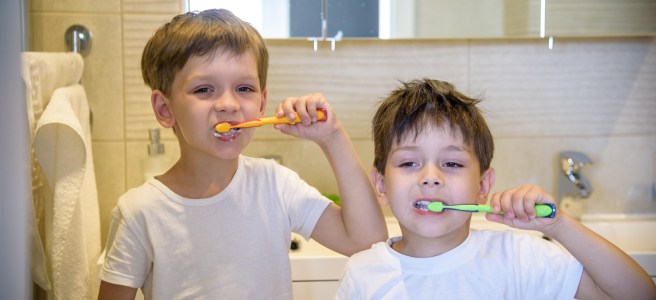
Brushing Our Teeth While Mom Watches Us

In the Know for You to Know

A new school schedule, a new sports schedule, a new tooth schedule

What’s your new routine?

Re-energizing good oral health habits is easy when you add 2 Minutes 2X’s a day to your back to school routine. Brushing 2 Minutes 2X’s a day and flossing with Mommy or Daddy to watch, help, and set an example is always more fun. For more tips look at my post on Your nightly bedtime brushing routine.

Want your child to have the best and brightest smile

Mirror Mirror on the Wall Looking in the mirror to make sure you floss and brush away all the food and sugar that sticks to their teeth and tongue is a great way to reinforce healthy habits at home. With so many new brushing apps to choose from your 2 Minutes 2X’s a day routine can be a breeze. Checkout 2min2x.org for some helpful apps and videos.

With Sugar Less is More

With so many goodies at school keep an eye on snacking and drink choices, with sugar less is more. When preparing snacks and lunch to take to school from home it’s important to make food fun while encouraging your child to eat their vegetables, fruit, grains and protein. Remember to pack those water bottles. Water has Zero calories and Zero sugar. If your child must have juice pack one juice box every other day as a treat and encourage them to drink this only with their lunch. This way you can increase the days they drink water and decrease the days they drink juice so they don’t miss the juice. Same for any sugar sweetened beverages, fruit snacks and raisins, start them out as a treat and then quickly decrease how often they are in their snacks and lunches over the next two weeks. If your child is going to purchase school lunches or has access to vending machines at school talk with them about how to make healthy food choices.

Serious About Smiles

Is it time for a new tooth brush? The American Dental Association recommends your child’s tooth brush be changed every three months (and yours also). With routine brushing the bristles wear out so it is best to keep those pearly white teeth sparkling with a new brush. Your Pediatric Dentist will most likely include in a new brush in your take home goodie bag. For the times in between check-ups, remember a soft brush is best for your 2 Minutes 2X’s a day brushing routine.

This school year may mean a new fluoride prescription or change in your child’s fluoride dose. This is important to discuss at your child’s back to school check-up.

Back to school also means Dental Notes for your School Nurse. Remember, healthy teeth means fewer visits to the Nurse and less calls to you.

Play sports?

Protect their smile when participating in sports and physical activities. It’s important to talk about which type of mouth guard is best suited for your child’s sport.

FYI – stay tuned for my upcoming post on Sports and Mouth Injury Prevention.

Just like this school year may be a little different for your child and you, their back to school dental appointment will also have some changes. Read my post on Taking your child to their Pediatric Dentist in the World of COVID – It’s as Important as Ever, and see what your child’s dentist is doing to keep your family safe.

More tips? We have lot’s. We’re here just for kids!