The Children's Dental Blog for Mom's and Dad's about All Things That Matter
Author: kidstoothhotline
As a Board Certified Pediatric Dentist with over ten years of experience practicing Pediatric Dentistry, I understand that parents and caregivers are in need for information to care for their children's oral health. You may not have your normal lines of communication open or you cannot easily call or visit your child’s Dentist and obtain answers to your questions. Some families may not yet have a Pediatric Dentist to call.
My expertise and knowledge can help serve as your source as I provide answers with information that is current, informative and the Gold Standards of Care which are the practice Guidelines approved by the American Academy of Pediatric Dentistry.
I want to help you access this important information by answering your questions through this site. You may want to submit your own individual questions or you can view my postings and answers to other families questions that may apply to your child's needs.
I am committed to helping you stay informed, after all it is all about your child.
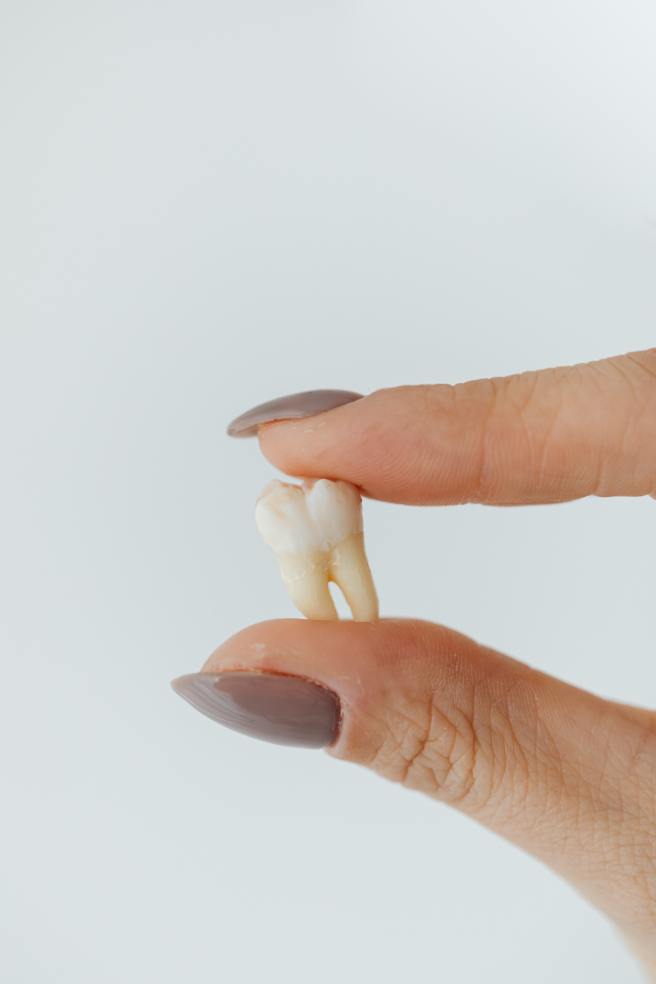
August 22nd is National Tooth Fairy Day, when we celebrate the happiness and amazement of children losing their baby teeth. Most children start to lose their baby teeth around the time they are 5 to 6 years old which makes the Tooth Fairy experience even more magical!
This special day also allows you to remember your own joyful memories of your Tooth Fairy visits when your newly lost tooth was exchanged for a surprise when you looked under your pillow the next morning. Passing along these memories to your children is a priceless way to create new memories for both of you.
Greeting From Your Friend The Tooth Fairy
My Dearest Friend,

I saw you wiggling in your mouth and knew a tooth would soon be mine

You kept it close thinking you'd stay up all night long

Then you drifted off to sleep and I began my fairy flight

So into your bedroom I did come upon my fairy wings

When I took a peek I found my favorite thing

Now off I go, I have to dash

I hope you'll send me other teeth but there is no big rush

And remember my dearest friend, every time you lose a tooth
another takes its place for you to floss and brush

Most Sincerely,

Your friend in teeth,

The Tooth Fairy
The Tooth Fairy awakens the excitement and affection of childhood while reminding us to cherish the memories you make with your children when they receive their enchanting Tooth Fairy visits each time they lose a tooth.
What is your own favorite Tooth Fairy Memory? How does your family prepare for your Tooth Fairy visit? How many teeth do you think the Tooth Fairy collects every night? We’d really like to know! Send us an email at kidstoothhotline@protonmail.me Like Us on Facebook at www.facebook.com/kidstoothhotline
The Tooth Fairy Is Always Welcome At Our Home
Looking For The Tooth Fairy
The Tooth Fairy Always Has Her Basket Of Teeth
A Present For The Tooth Fairy Tonight
More tips? We have lots. We’re here just for kids!
Lot’s of children want braces so you’ll hear this all the time, When can I get braces? My friend has braces, I want braces! Then there are other children (like mine) who are worried about how braces look and feel.
Braces have come a long way in the last couple of years. They can be very cosmetic and not easily seen. There’s also different materials and ways to adhere the brackets to the teeth.
Why Braces?
Sometimes it’s not because teeth don’t grow in straight, it’s the underlying reason why the teeth didn’t come in straight.
It’s possible that the upper and lower jaws might not be aligned. If the upper jaw is bigger than the lower jaw, that’s called an overbite. When the lower jaw is bigger than the upper jaw, that’s an underbite.
Based on your child’s age as well as their teeth development and jaw positions, that’s when it’s time to see the Orthodontist.
How Long Does My Child Have Braces?
Children have braces for different amounts of time depending on the reason they need braces.
What’s important to remember is that your child needs to wear their retainer after they finish their braces. Used to be retainers were only for 3 months after finishing braces. Not any more.
Your orthodontist will go over all of this with you as your child finishes the active part of their braces. This is important because the retainer helps keep their teeth in the position you just went through the braces for.
Types Of Braces
Traditional Metal Braces
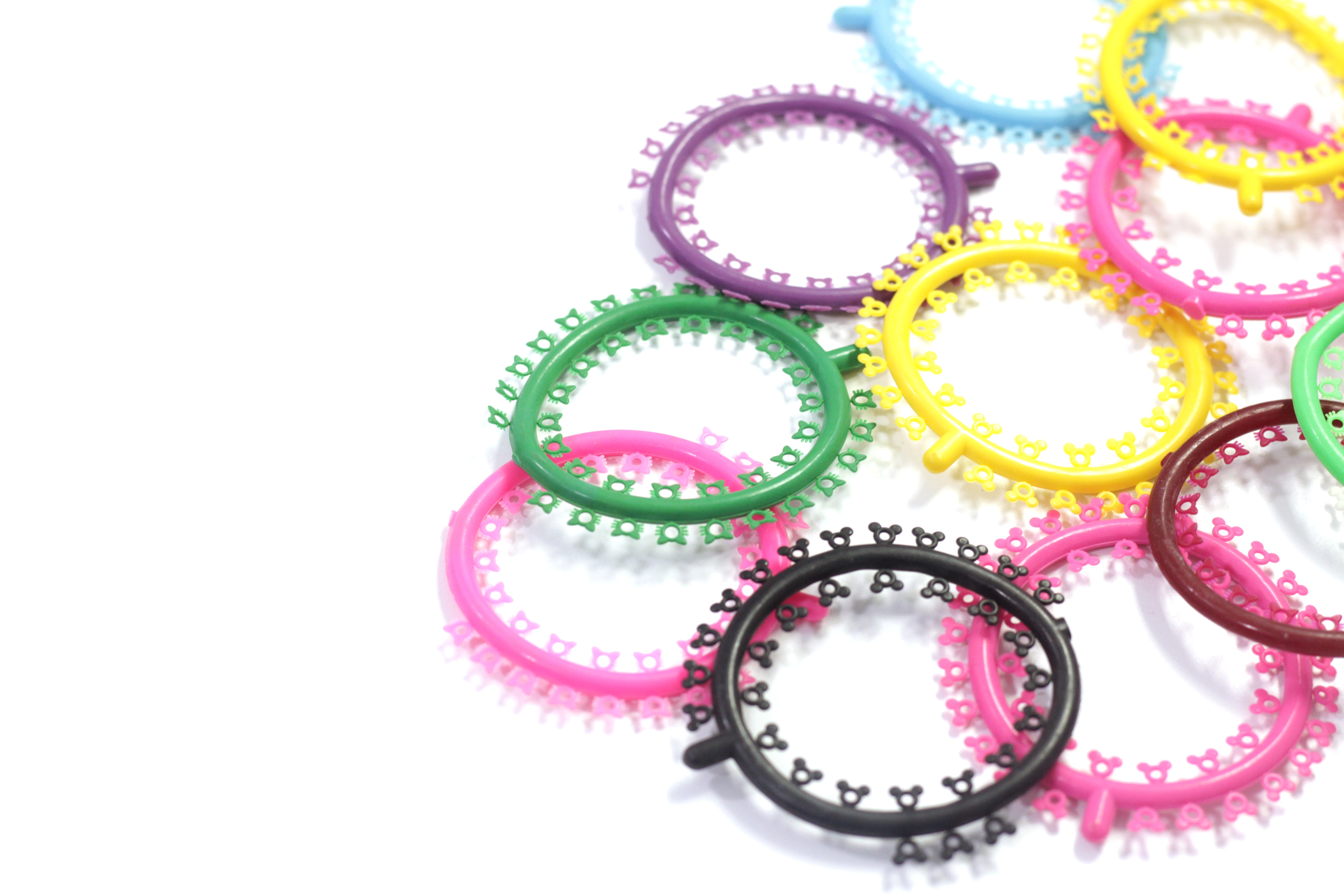
These are the most worn style of braces by school-age children, tweens and teens. They are metal brackets medically bonded to the front of the teeth with the wires passing through the bracket’s slots and held in place with elastic bands (in a wide choice of colors).
Ceramic Braces
Are similar to metal braces but the brackets are a tooth colored or clear ceramic material similar in color to teeth. These brackets can be more fragile than the metal and need more tlc.
Lingual Braces
These braces also similar to metal braces however the brackets are placed on the backs of the teeth, this way they are not seen. Being on the backs of the teeth can make brushing and flossing time longer and your child may need more of your help.
Self-Ligating Braces
Are very much like metal braces, however instead of the rubber elastics, there is a special clip which holds the wire in place.
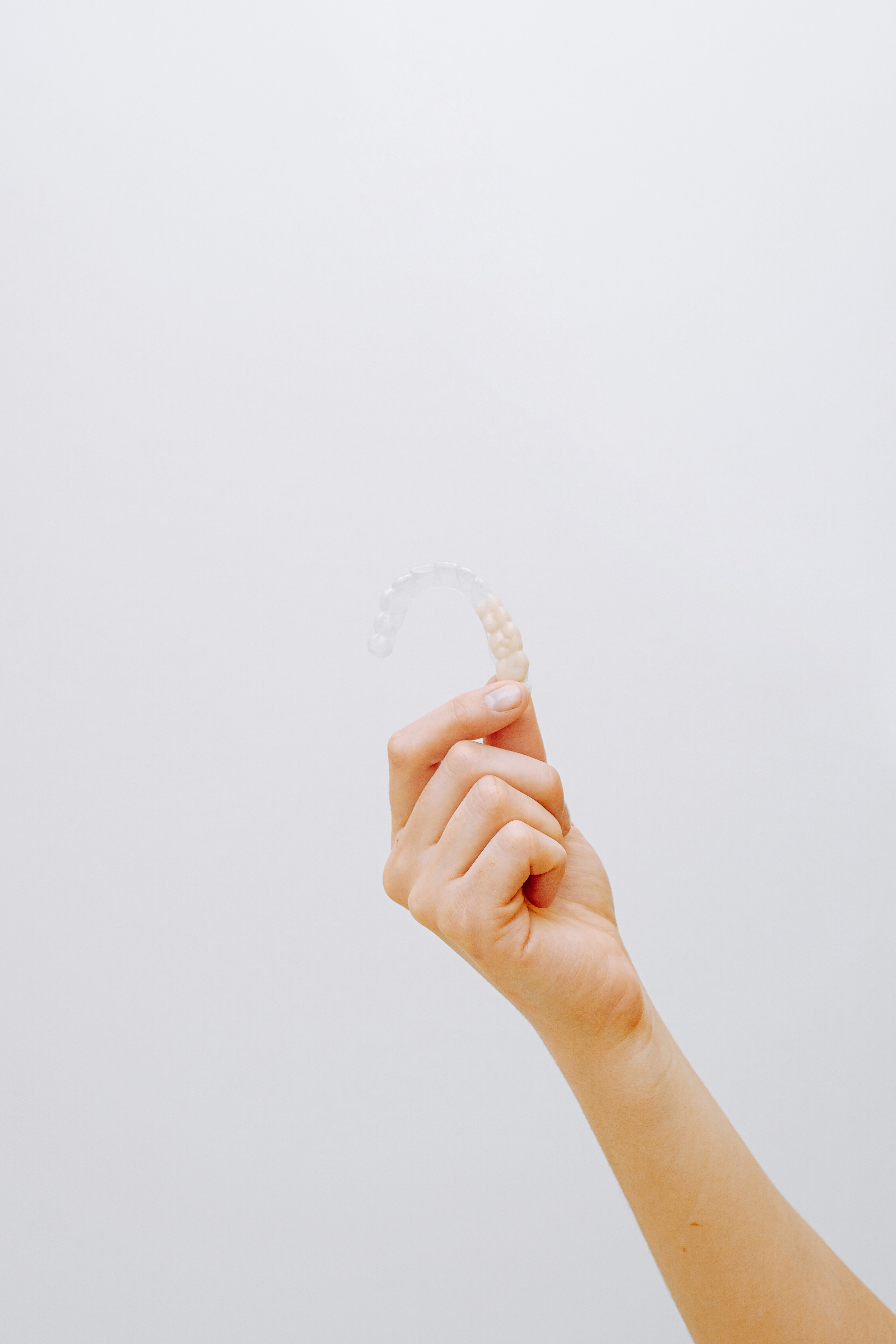
Clear Aligners
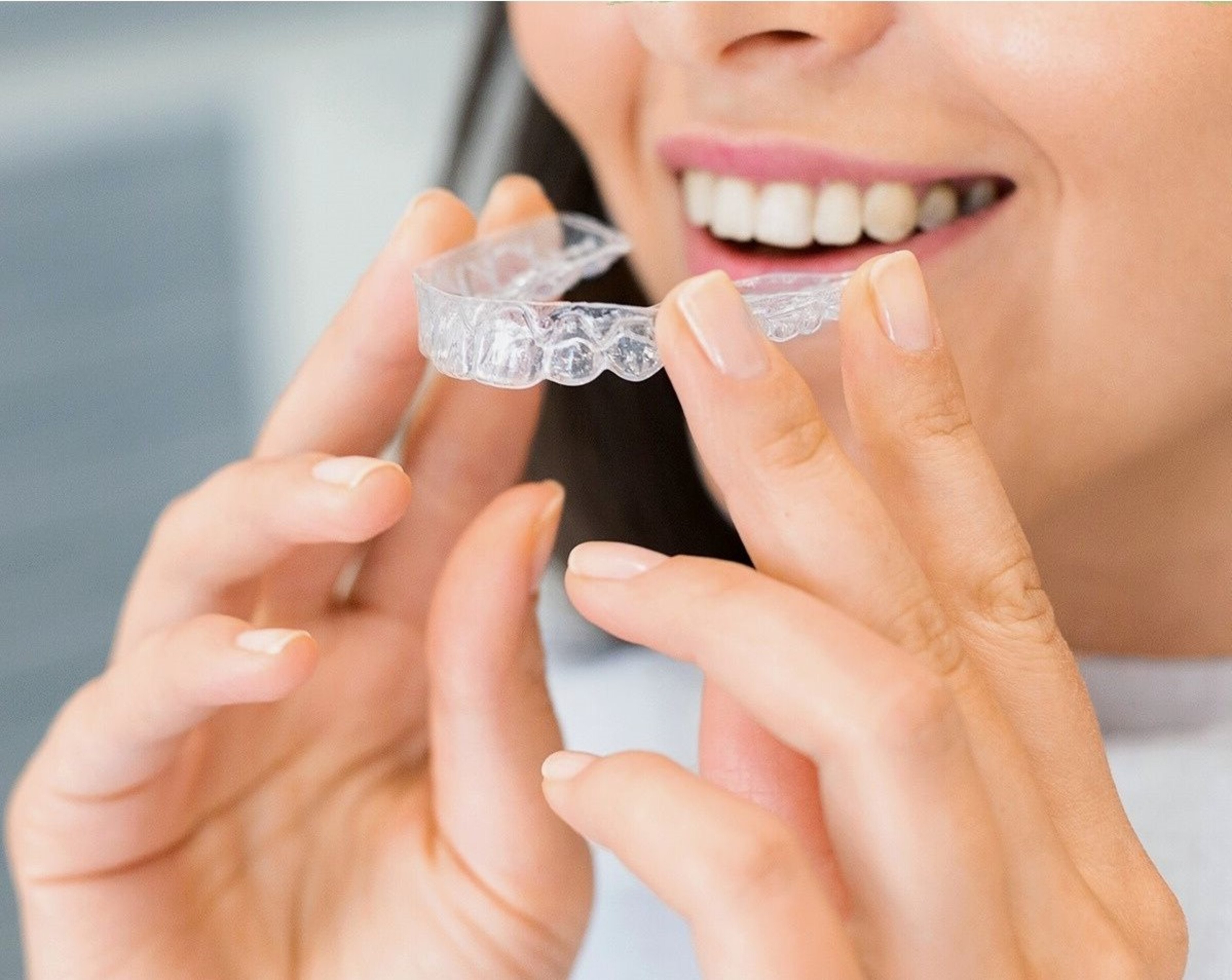
These are a specific sequence of clear custom made trays which progressively move teeth into the desired position. Each aligner is worn for about 2 weeks before changing to the next one. Clear aligners are not for everyone.
Which Style Of Braces Is Right For My Child?
This is a conversation you’ll have with your Orthodontist because which type of braces is right for your child depends on a couple of things like their individual needs, your child’s age and your preference.
With a range of options from metal to ceramic to lingual braces or clear aligners there is no shortage of choices to help your child have that beautiful and healthy smile.
Does your child have braces? Are they about to start braces? Did you have braces as a child or want them now as an adult? Send us an email at kidstoothhotline@proton.me Like Us or Message us on Facebook at www.facebook.com/kidstoothhotline
More tips? We have lots. We’re here just for kids!
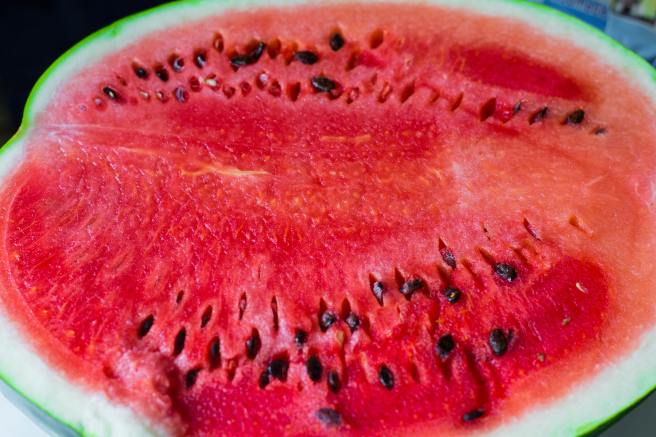
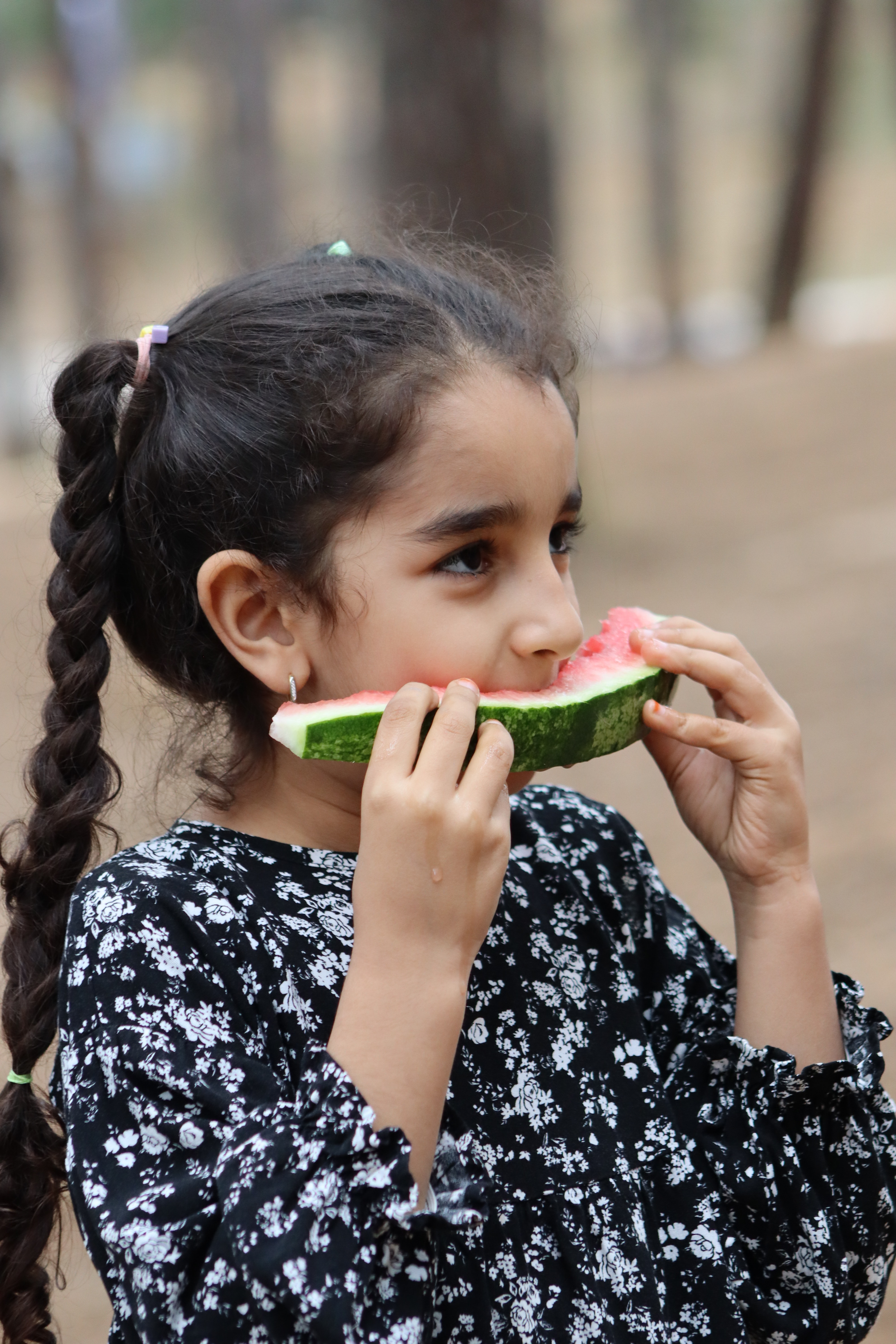
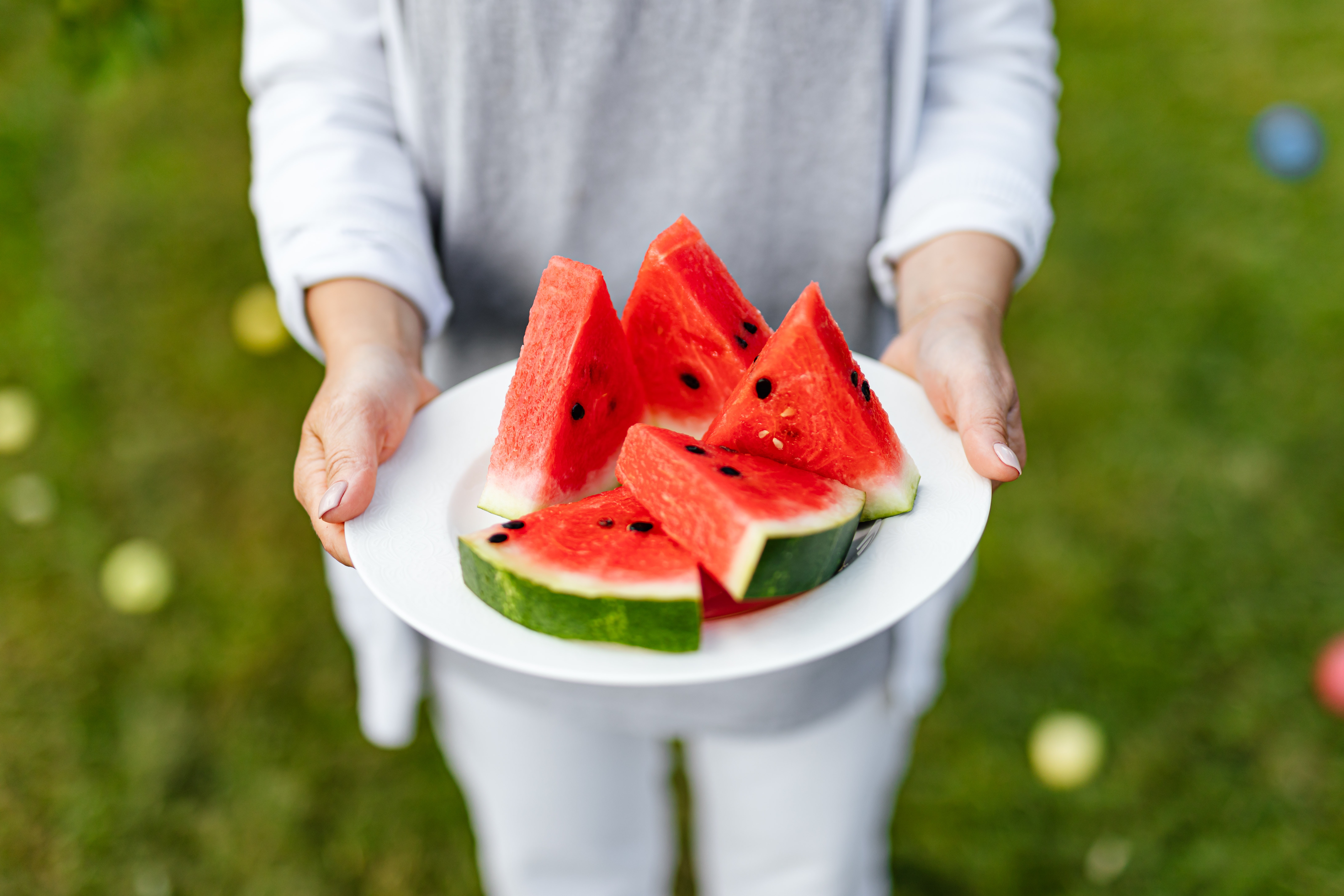
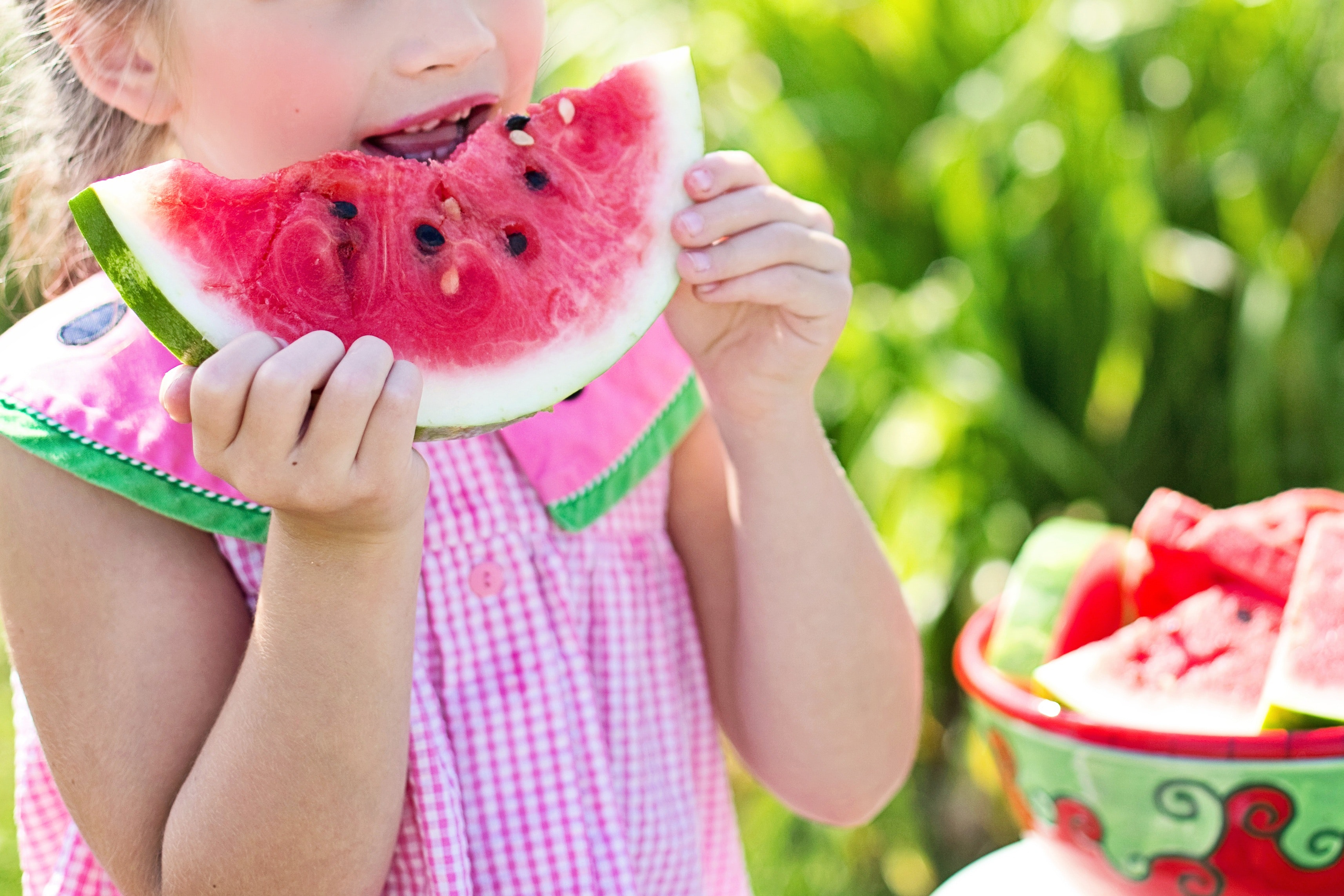
Did you know there is a day dedicated to watermelon? Turns out today is the day to celebrate watermelon.
Watermelon Says Summer
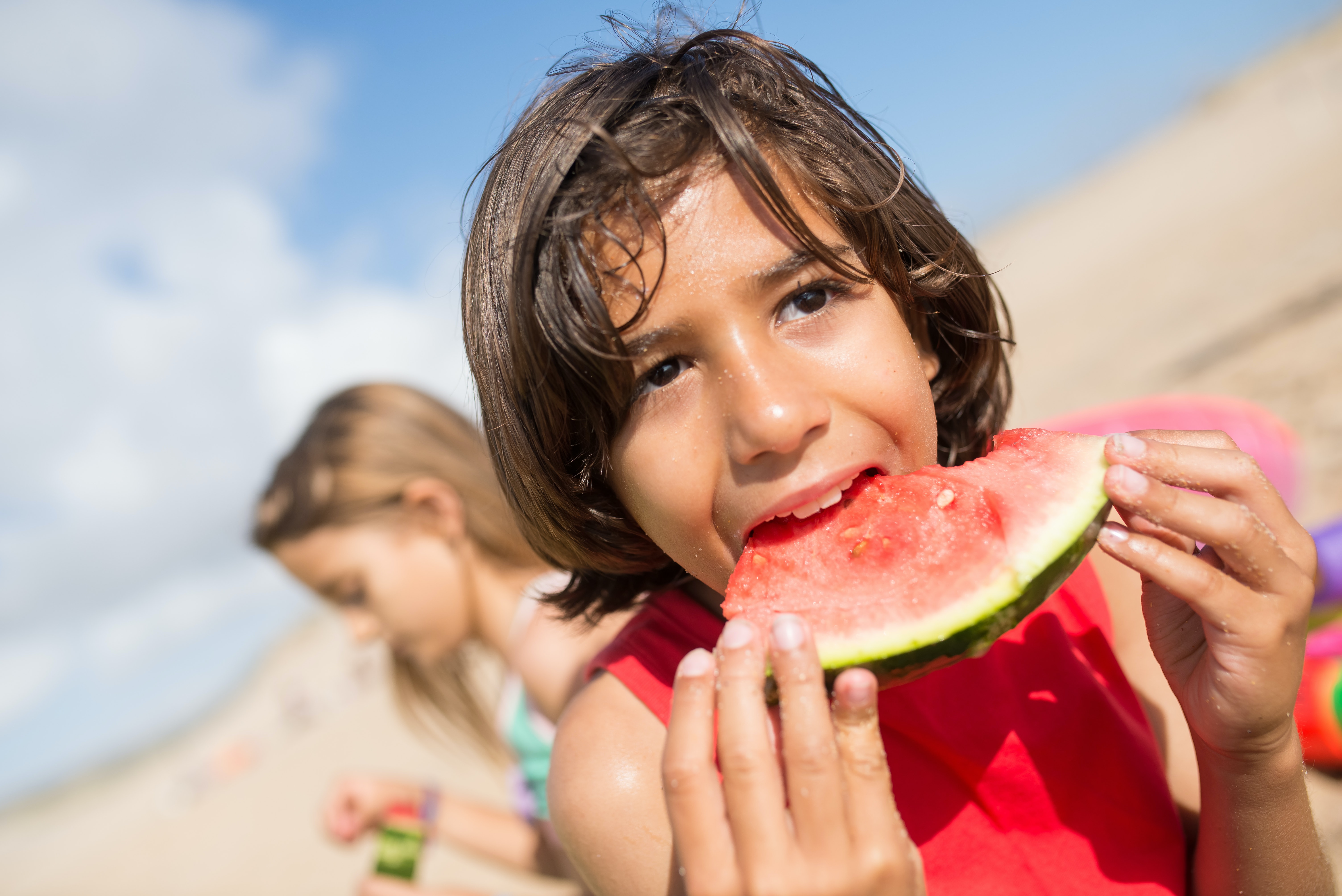
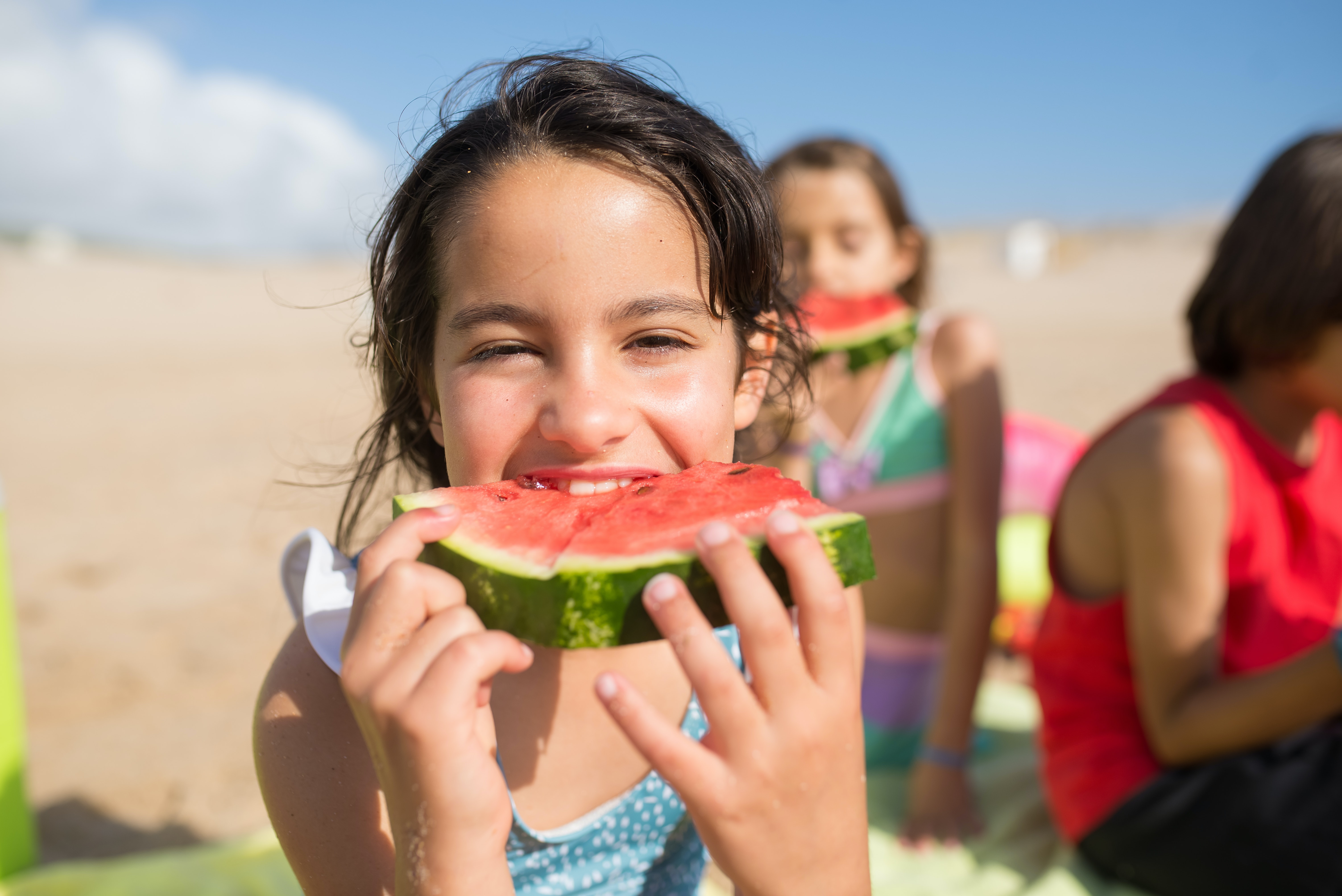
Watermelon means summer. Summer weekends, bbq’s, picnics, enjoying fun times with friends and family. We love biting into a juicy piece of watermelon, then wiping the sweet juices off our children’s smiling faces.
Watermelon Is Healthy
Watermelon is 92% water and full of Vitamins A, C, and antioxidants. In addition to being a thirst quencher, watermelon is also a superfood.
Fun Trivia About Watermelon
*Watermelon is both a fruit and a vegetable. *It takes 90 days to grow a watermelon from planting seeds to harvest. *The most common watermelon varieties and colors are seeded, seedless, mini, yellow, orange, red and white. *Watermelon is the official state vegetable of Oklahoma. *According to the Guinness Book of World Records, the largest watermelon on record weighed in at 350.5 pounds (159 kg) and was grown by Chris Kent of Sevierville, Tennessee (USA) in 2013.
Tips For Celebrating Watermelon
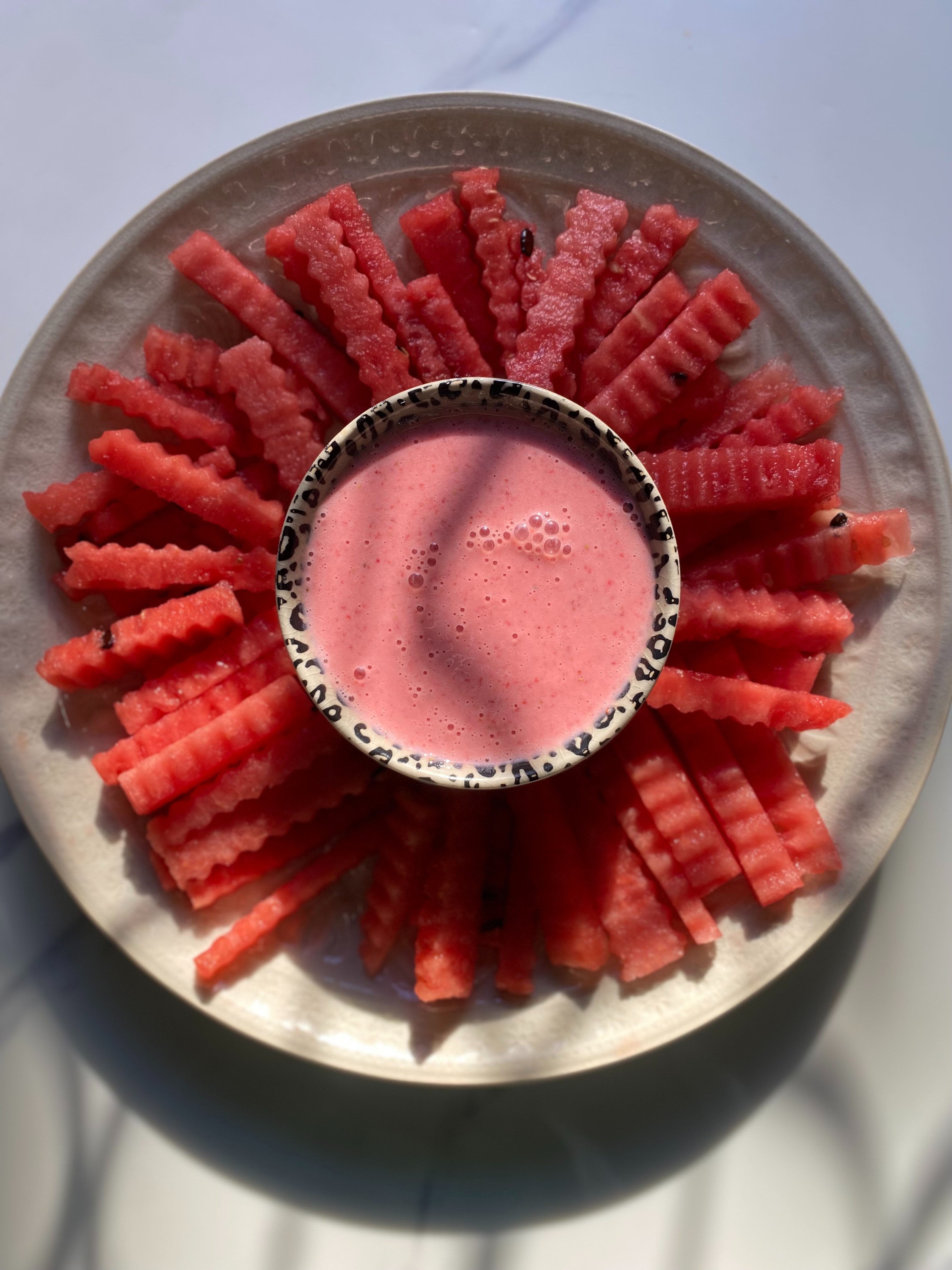
There’s nothing that says summer like biting into a perfect slice of watermelon. Some other ways to enjoy this delightfully tasty treat are grilling it, drinking it as a juice or smoothie, eating it as ices or sherbet, and enjoying it in a salad or salsa.
There’s nothing like beating the heat with summertime’s most refreshing fruit. How does your family like to enjoy watermelon? What will your family do celebrate watermelon day? Which watermelon color is your family’s favorite? Tells us, We’d really like to know! Send us an email to kidstoothhotline@proton.me Like Us on Facebook at www.facebook.com/kidstoothhotline
More tips? We have lots. We’re here just for kids!
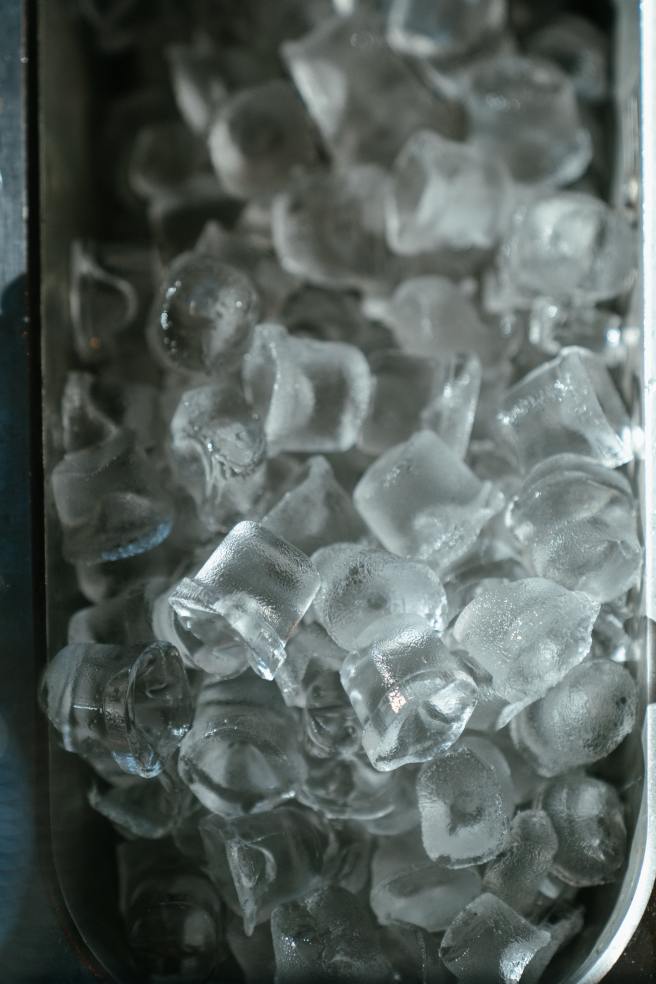
Summertime is here and it’s time for those thirst quenching icy cold drinks. However sometimes you find that your child is chewing on the ice after they finished their drink, or they’re munching on ice cubes straight out of the freezer. You’re thinking okay there’s nothing bad about that. Did you know that chewing ice can cause pain and damage to their teeth?
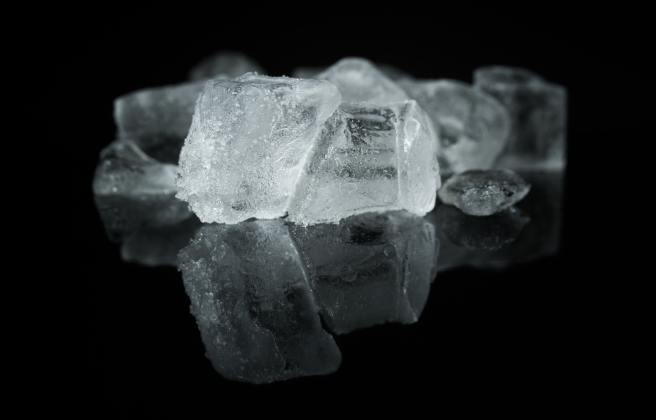
Ice Is Harder Than Teeth
Teeth are strong but they are no match for ice. Chewing on ice causes the thin protective outer enamel layer of teeth to weaken, chip and crack.
Enamel can’t grow back. Once the enamel is weakened the inner layers of their teeth are exposed to the mouth and that’s when teeth become sensitive.
Think about how painful it would be for your child not to be able to have ice cream and ices.
Ice Isn’t For Teeth
Ice Can Break Teeth And More
We’re always talking about how to make teeth stronger. But ice is not kind to teeth and one wrong bite can break, chip, or crack a tooth or two.
When a tooth breaks it may not only be the enamel that fractures. There are several layers under the enamel and under the gums that makeup a tooth which can also shatter.
Keep in mind this also goes for fillings. If your child has any tooth colored fillings or silver caps they can also split from the pressure of chewing on ice.
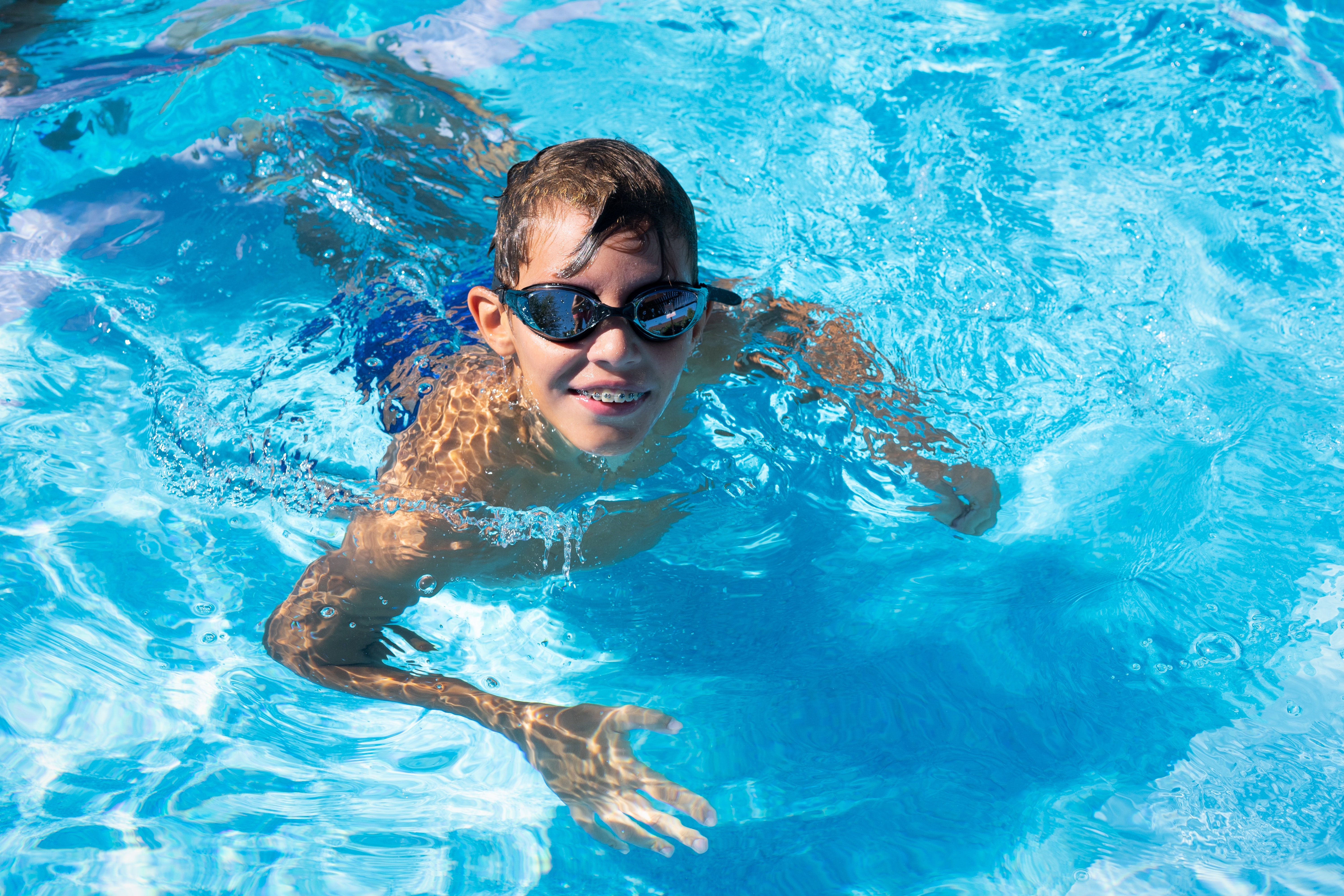
If your child has braces and they say that chewing on ice makes their mouth feel better, it’s still not a good idea because the ice can twist or move their arch wires, cause the wires to come loose and poke their cheeks, or break off their brackets.
Ice chewing also affects their gums. The icy temperature freezes their gums which makes it harder to feel if the ice slips and cuts the gums.
Broken Teeth Can Get Cavities
Not only is their tooth enamel harmed but there is also increased risk for cavities. The chips and cracks in the enamel provide direct access for sugary foods and plaque into the body of the tooth and soften the tooth which leads to cavities.
How To Stop Chewing On Ice
Chewing ice isn’t a harmless habit.
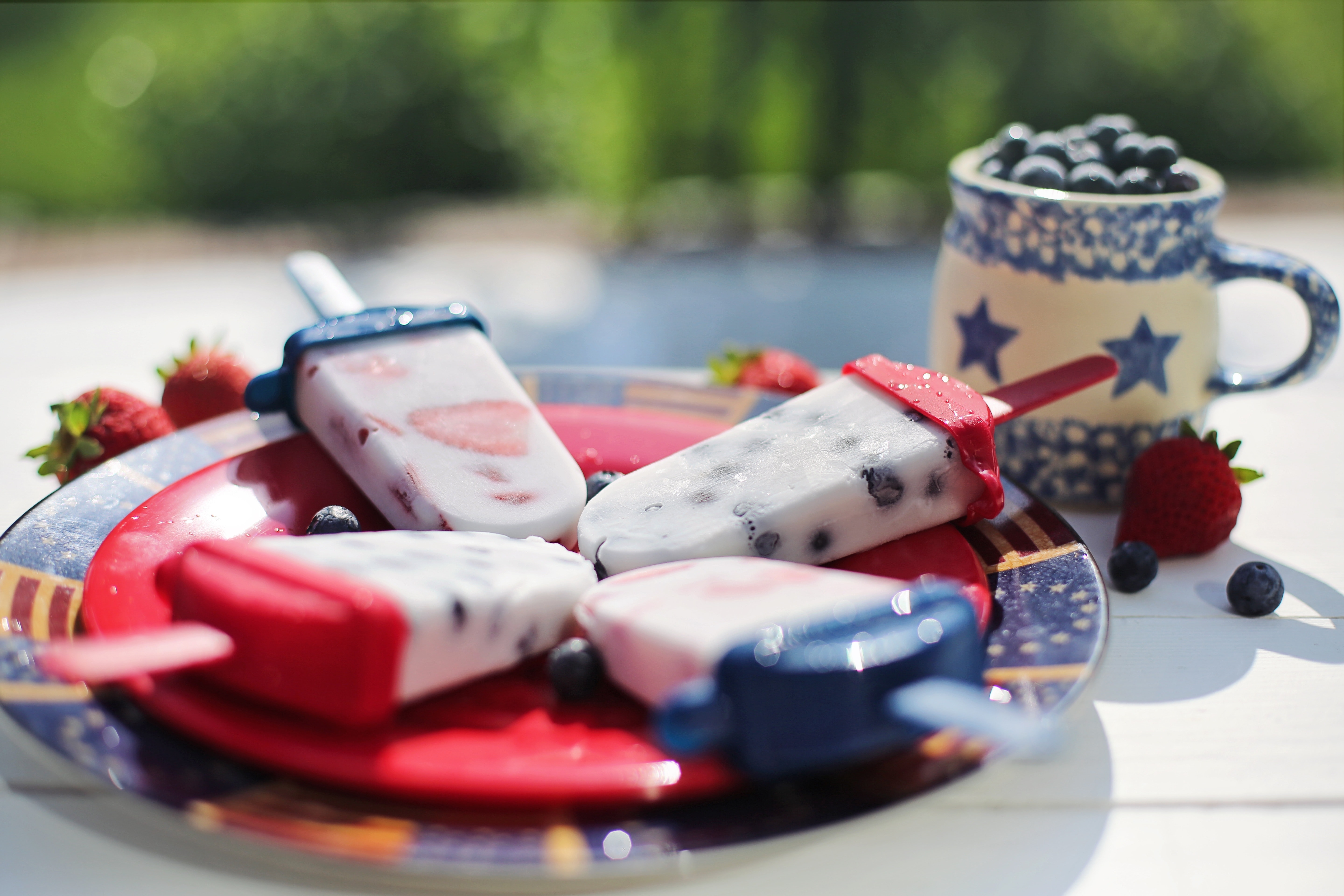
Some children who chew ice say the cold sensation is soothing. So, instead of chewing ice let it melt in their mouth or blend crushed ice into slushies or snow cones. Consider trying alternatives such as cool drinks or popsicles. Always keep in mind that sugar free choices are recommended.
If your child chews ice for the crunch, replace the ice with apple slices or baby carrots.
Happy National Parent’s DayCelebrating National Parent’s Day
As a parent you celebrate your child everyday and you are their biggest fan. This Sunday, July 25th is your turn to be celebrated. On this day we show our appreciation and recognition to all parents for all you do, whether you’re Mom, Dad, Grandma, Grandpa, Great-Grandma, Great- Grandpa, Stepmom, Stepdad, Foster Mom and Foster Dad.
Your devotion is vital for your child’s growth. From all of us at KidsToothHotline always know how much we appreciate, value and support you as parents in raising healthy and oral (dental) health conscious children.
All Our Best For A Wonderful Day ~ HAPPY PARENTS DAY!
More tips? We have lots. We’re here just for kids!
Gummy vitamins are very popular with children and parents for getting essential vitamins and nutrients in a tasty gummy treat. While this can be a great way for your children to want to take their vitamins, gummy vitamins can also harm their teeth.
BUT THEY’RE VITAMINS
Yes, they’re vitamins that are chewy, really tasty, and come in an endless variety of colors, shapes and flavors.
THE STICKY TRUTH
It’s really 3 things to keep in mind, Gummy vitamins are high in sugars in comparison to other vitamins. It’s the sticky consistency that makes them stick to the tops and in-between the teeth that’s the concern because it eats away at the tooth’s outer protective enamel layer.
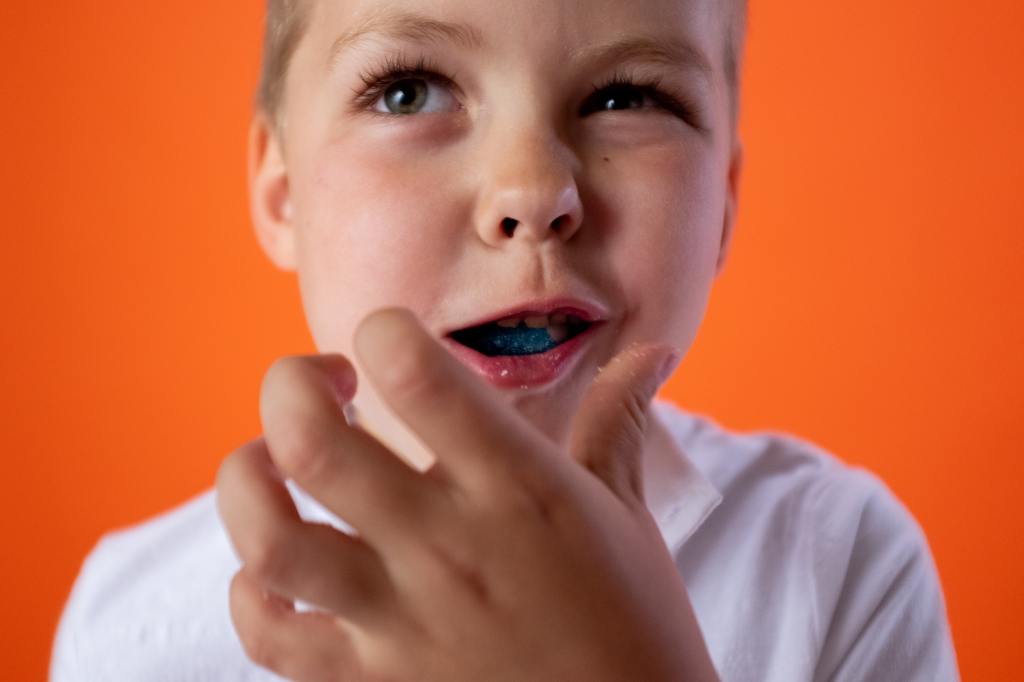
Chewing My Gummy VitaminWhat’s Your Favorite Flavor Of Gummy Vitamins?
Gummy Vitamins Can Also Come Sugar-Free, But…
Xylitol is the only 1 sugar substitute known to help reduce cavities, and that is in very specific amounts.
Manufacturers of gummy vitamins may not use xylitol or use it in different amounts. Some manufacturers may say their vitamin is sugar-free only to find out that they add other sugar substitutes (which doesn’t reduce cavities) and other sweeteners. They may also coat the vitamin with sugar or a sugar substitute (again which doesn’t reduce cavities).
Our Recommendation
It is your and your pediatrician’s decision regarding which vitamin supplement is best for your child. Our suggestion is to please make sure your child takes their gummy vitamin before your nightly tooth brushing routine. This way everyone goes to bed with nice clean teeth.
If your pediatrician wants your child to take their gummy vitamin in the morning, have them take it with their breakfast and when they’ve finished eating then brush their teeth. This way everyone starts the day with nice clean sparkling teeth.
Summer is here and your family wants to have fun, fun, and more fun. Lazy days and yummy foods have been on your children’s minds since the count down to vacation began.
This is also a stressful time for you because you know what they want and you want to keep up their balanced diet and keep going with those good habits you’ve worked hard on.
So how do you indulge those eagerly awaited extra special delights and stay on track?
4 Bite Sized Tips For Healthy Summer Teeth
Keep up with your child’s routine
Whether you’re traveling, day tripping, planing a staycation or a trip to Grandma’s, put together a traveling dental kit. This way if schedule changes disrupt your good habits you can start up where you left off. Also remember that while bottles and sippy cups are good for comforting your child, don’t let them fall asleep with one in their mouth as it increases their risk for cavities.
Stick to your child’s healthy diet
Make those special foods and beverages more delicious when eaten with a healthy and balanced meal full of fresh fruit, veggies, whole grains, lean protein, water, and plain milk.
Indulge with care
Gooey, sticky and chewy are fun to eat, not so much to brush off teeth. Choose treats that are super smooth and slide off the teeth like chocolate bars without crunchies, italian water ices, and ice cream.
Make it fun
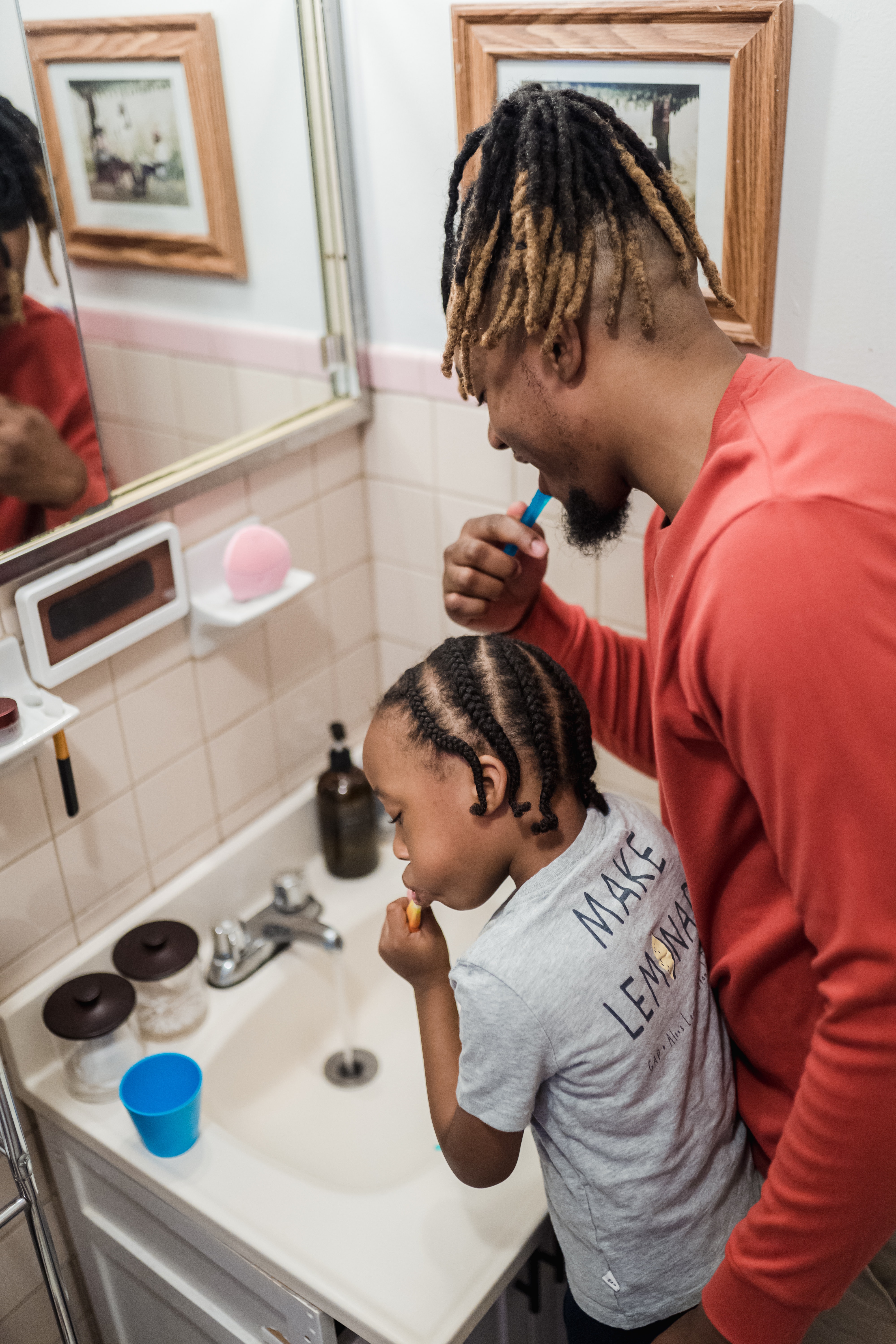
Vacation time is happy and new every year. This year tweak your consistent daily routines in a fun way. Try doing something to keep your child’s attention long enough for you to brush all their teeth, like – brushing and flossing together or have a brush-a-thon to your child’s favorite tunes. Children love stickers, so use a sticker chart and remember to be on the look out for their fun flavor toothpaste or a toothbrush with their favorite character.
Summer time is always a busy time for families. Being out of school with a steady stream of activities puts every day life on hold, including good tooth routines and habits.
If your good habits go haywire, pick up where you left off and help your child get back on track with their good brushing, flossing and healthy eating habits.
Enjoy your summer and make those amazing memories while at the same time protecting those beautiful smiles!
How do you keep up with your children’s brushing and flossing over the summer? What are your families favorite summer foods? We’d really like to know! Send us an email at kidstoothhotline@proton.me or Chat with us and Like Us on Facebook at facebook.com/kidstoothhotline
More tips? We have lots. We’re here just for kids!
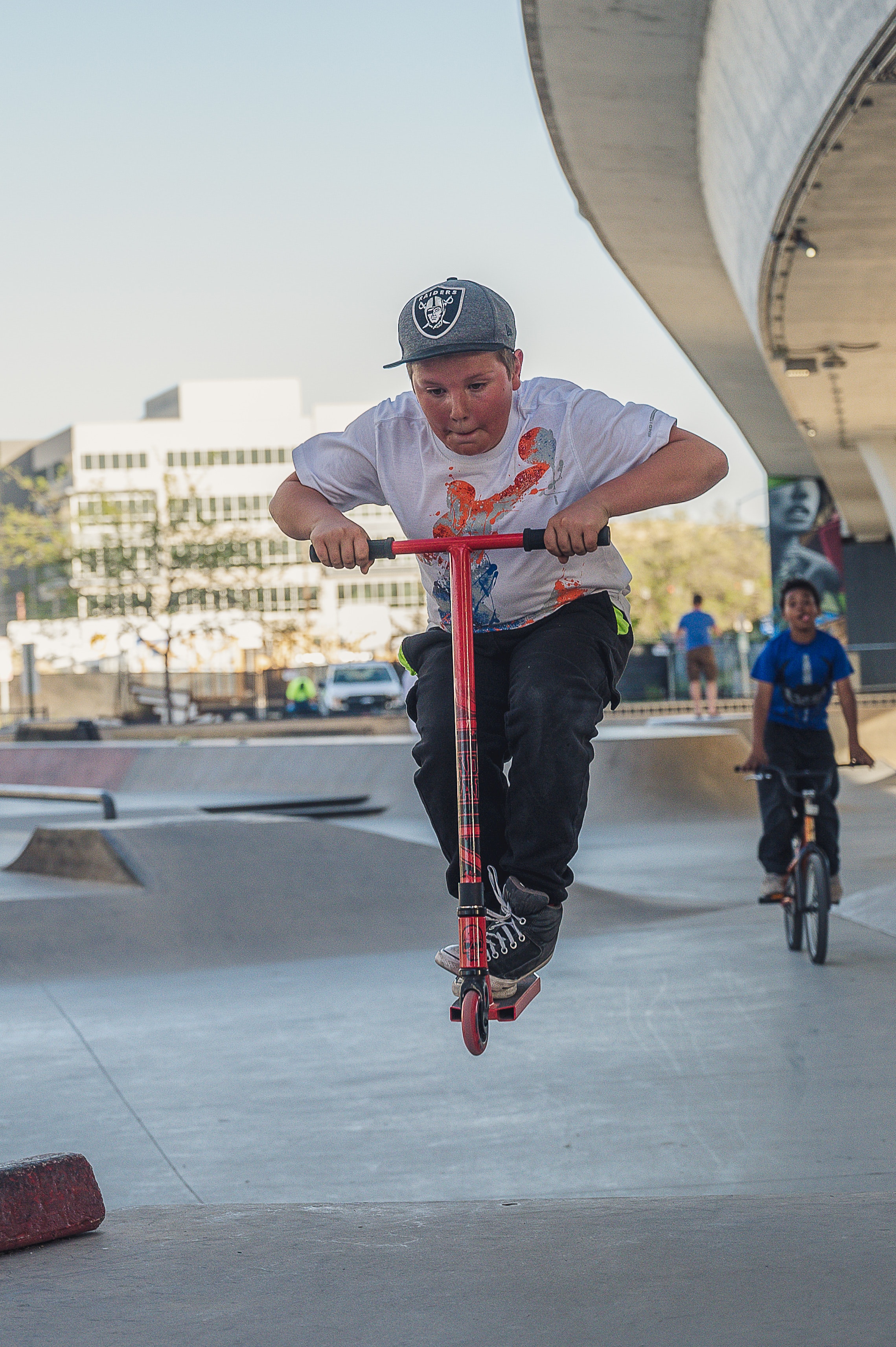
As parents we all know to say “Wear your helmet!” when our children want to go out to ride their bike, skateboard or scooter. We also say this when our older children play baseball, football, hockey or lacrosse. You may have already seen them used in contact sports, such as football, boxing, and ice hockey.
Mouthguards offer the same protection. While a helmet protects a child’s head, a mouthguard protects their teeth and their head.
How does a mouthguard protect a child’s head? As parents we’ve heard about concussions, and a lot of times we think about concussions as occurring from a blow to the head. What’s important to note is that contact to any portion of the mouth or jaw can cause a concussion.
My Balance Beam Is Really High And The Mat Is Far Away, I’m Happy I’m Wearing My Mouthguard
How can a mouthguard help?
What Is The Benefit Of Wearing A Mouthguard?
Mouthguards are mouth protectors which help cushion a blow to the mouth and face, minimizing the risk of broken teeth and injuries to your child’s lips, tongue, face or jaws.
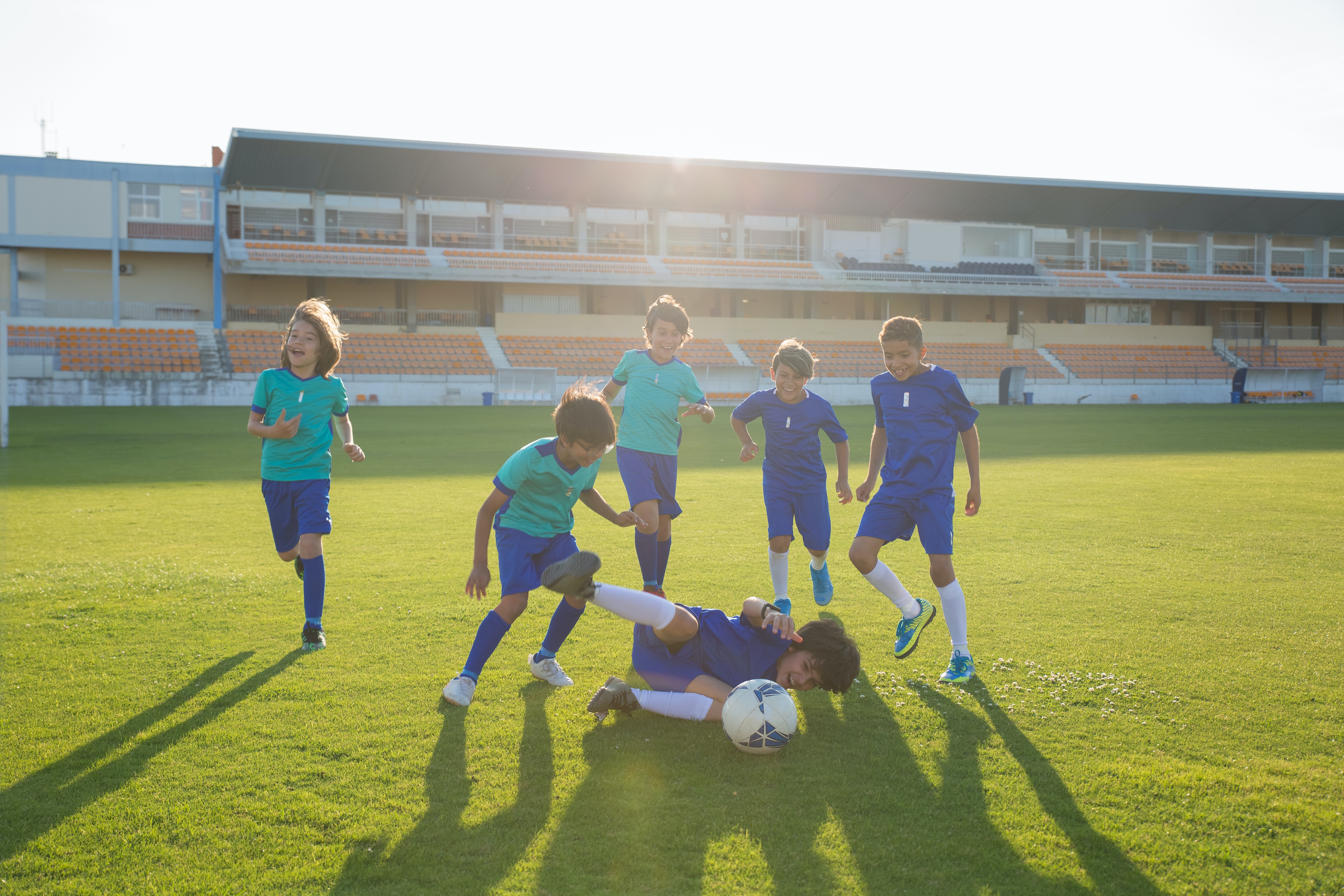
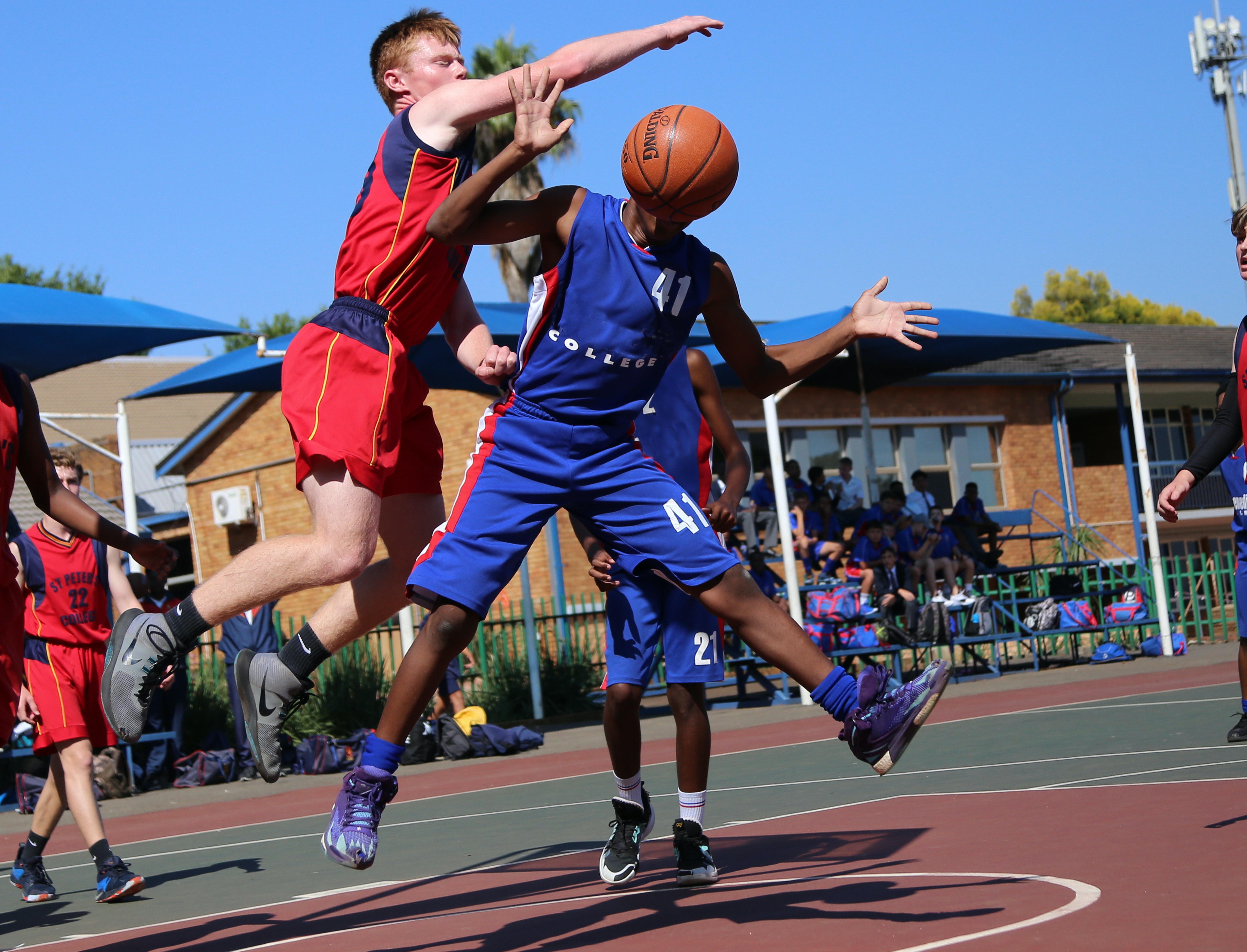
While collisions in contact sports, such as basketball and boxing are higher-risk sports for the mouth, children can experience a dental injury in non-contact activities too, such as gymnastics and skating.
Findings in Sports Dentistry show that even in non-contact sports such as gymnastics, rollerblading, and field hockey, mouthguards help protect teeth. Many of these experts recommend that a mouthguard be worn for any recreational activity that poses a risk of injury to the mouth.
Most Important Mouthguard Features
To be most effective a mouthguard should have these features:
Be resilient, tear-resistant and comfortable,
Fit properly and stay in place during sports activities,
Be durable and easy to clean,
Not restrict your child’s speech or breathing.
There Are 3 Types Of Mouthguards
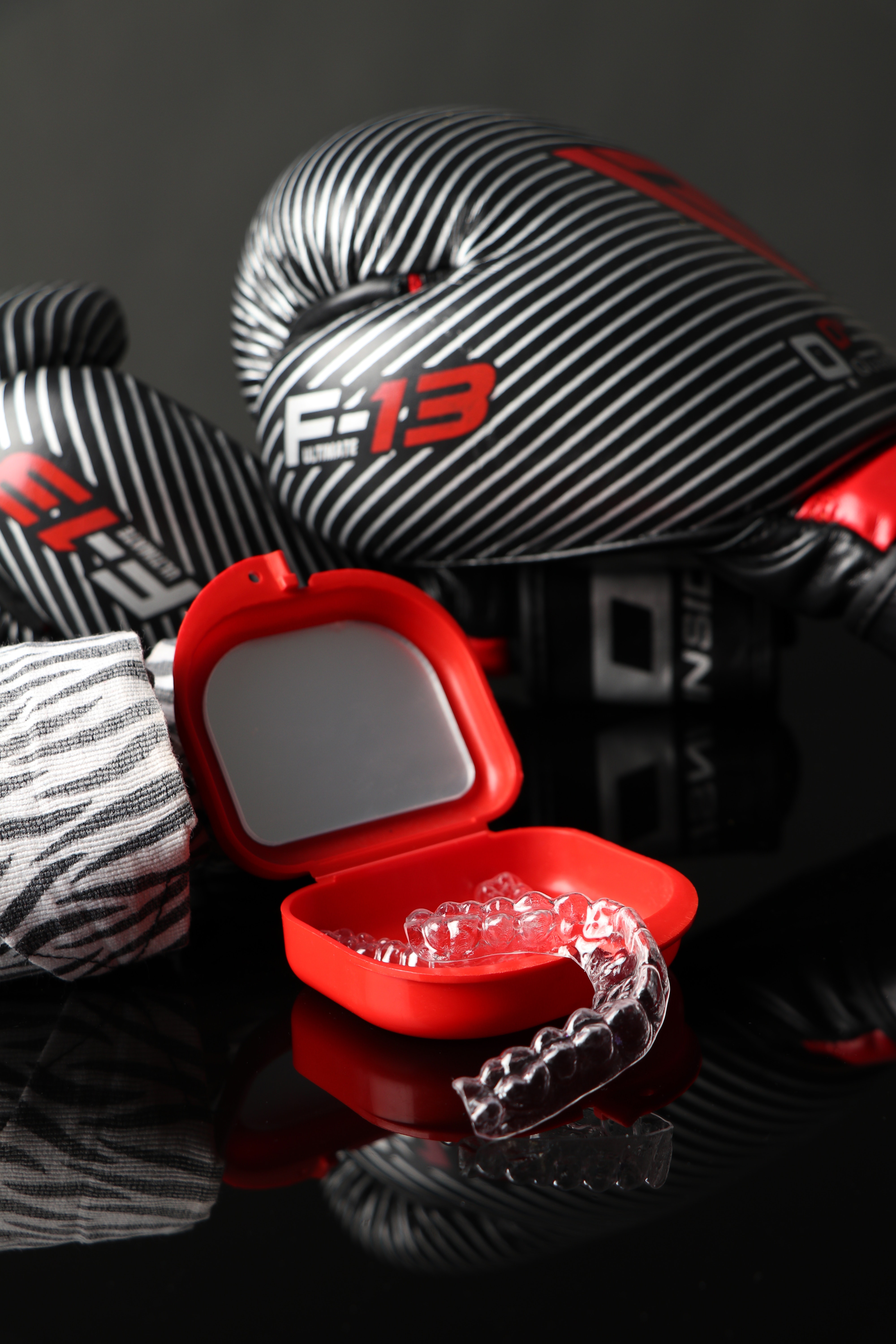
Stock These are found in sporting goods stores and come pre-formed, ready to wear. One size fits most and may not fit very well. They are made of hard plastic, can be bulky and which can make it uncomfortable to wear and talk.
Boil and bite These mouth protectors can also be bought at many sporting goods stores and may have a better fit than stock mouth protectors. They are first softened in hot boiling water, then placed in the mouth and with your child moving their lips, tongue and cheeks around and closing their teeth together, they plastic is adapted to the shape of their mouth. Remember to be very careful because this is very hot water and very hot plastic.
Custom-fit These are made by your dentist for your child specifically and because they are customized, usually offer the best fit. They fit snugly, allowing your athlete to run and talk more easily while playing sports. Custom mouth guards are comfortable, and offer excellent protection. They can be made in a wide variety of colors and designs.
How Many Mouthguards Does My Child Have To Wear?
One.
Mouthguards typically cover the top teeth, and are a great way to protect the soft tissues of their tongue, lips and cheek lining.
There are certain times when depending on specific needs your dentist or orthodontist may suggest for your child to instead use a mouthguard to cover their lower teeth.
Mouthguards And Braces
A properly fitted mouthguard is especially important for children who have braces. A blow to the face could damage the wires and brackets or other fixed orthodontic appliances. The mouthguard provides a barrier between the braces and their cheeks and lips, limiting the risk of gum and soft tissue injuries.
If your child has an orthodontic retainer or wears any removable appliance, never wear it during any type of sports activities.
Tips for Caring for Your Child’s Mouthguard
4 tips for keeping your child’s mouthguard sports ready:
Rinse with cool water before each use and afterwards brush with toothpaste, rinse, dry.
Keep the mouthguard in a sturdy container that has vents and in a safe place. This permits air circulation and helps prevent damage to the mouthguard.
Don’t take the mouthguard out and leave it in the sun. Avoid high temperatures, such as hot water, hot surfaces or direct sunlight, which can distort the mouth guard.
Check for wear and tear to see if it needs replacing. A mouthguard that’s torn, in bad shape, or doesn’t fit any more can irritate your child’s mouth and lessen the amount of protection it provides.
When it comes to protecting your child’s mouth, a mouthguard is an essential piece of athletic gear that should be part of their standard equipment from an early age.



















































































 kidstoothhotline