Happy Thanksgiving!

Wishing you a happy and festive Thanksgiving with your family and friends!
From Our Family To Yours Happy Holidays!
KidsToothHotline
Happy Thanksgiving!
Wishing you a happy and festive Thanksgiving with your family and friends!
From Our Family To Yours Happy Holidays!
KidsToothHotline
In the Know for You to Know

It seems like yesterday your baby got their first tooth. Now they’re coming to you saying “My tooth is loose.” Where did the time go?
This is an exciting time for you and your child as you embrace this new milestone.
Today we’re discussing this natural growth phase as your child begins to lose their baby teeth (aka primary teeth).
Generally children start losing their baby teeth (aka exfoliation) around 6 years of age.
However, the earlier baby teeth come into the mouth, the earlier they fall out. There are some children who may start losing their baby teeth as young as 4 years old.
It’s important to also keep in mind, the later baby teeth come in the later they fall out. So there are some children who may start losing baby teeth at 7 or 8 years of age.



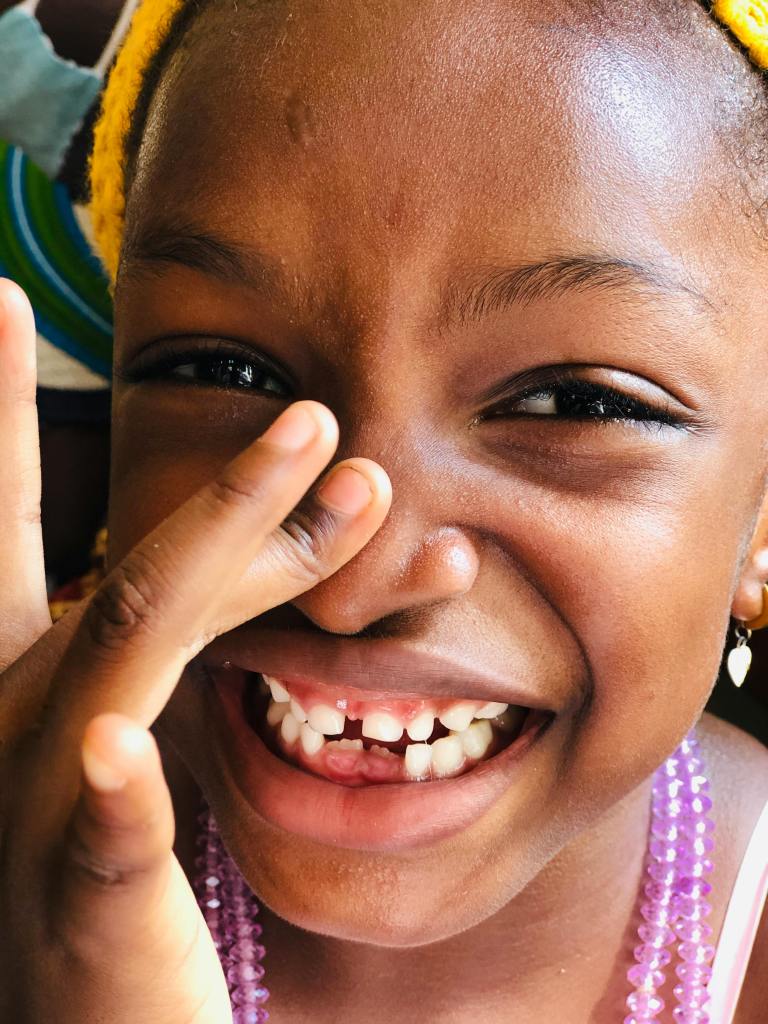
When toddlers have all their baby teeth they’ll have 20 teeth, 10 teeth on the top and 10 teeth on the bottom.
As they grow, children will lose all 20 of their baby teeth.
Teeth fall out in the order they came in to the mouth.
Around the time a child turns 6 years old the first teeth they start to lose are their bottom front teeth (aka lower central incisors).
While the age varies with each child, there is generally a pattern in which baby teeth are lost~
| Tooth | Age |
| Lower Central Incisors | 6-7 years |
| Upper Central Incisors | 6-7 years |
| Upper Lateral Incisors | 7-8 years |
| Lower Central Incisors | 7-8 years |
| Upper First Molars | 9-11 years |
| Lower First Molars | 9-11 years |
| Lower Canines | 9-12 years |
| Upper Canines | 10-12 years |
| Lower Second Molars | 10-12 years |
| Upper Second Molars | 10-12 years |
Sometimes a child doesn’t realize their tooth is loose, so they won’t be able to tell you.
If your child is about the age you were when you lost your first tooth or in the age range, go ahead and check for wiggly teeth. You may find none, 1, or 2.
So what are the tell-tale signs of loose teeth?
Losing teeth is an exciting time for some children, but unsettling for others.
Children do well with guidance in new situations, and losing baby teeth is no exception.
When you know that a tooth is loose, it’s important to stay calm and explain to your child what is happening. They’re growing up. The feeling around their wiggly tooth is new and different and it will go away when their tooth comes out; which may mean a visit from the tooth fairy.
Also, keep in mind that while your child’s tooth is loose, it’s important to show them why you need to stay on your regular toothbrushing and flossing routine; even if they don’t want to.



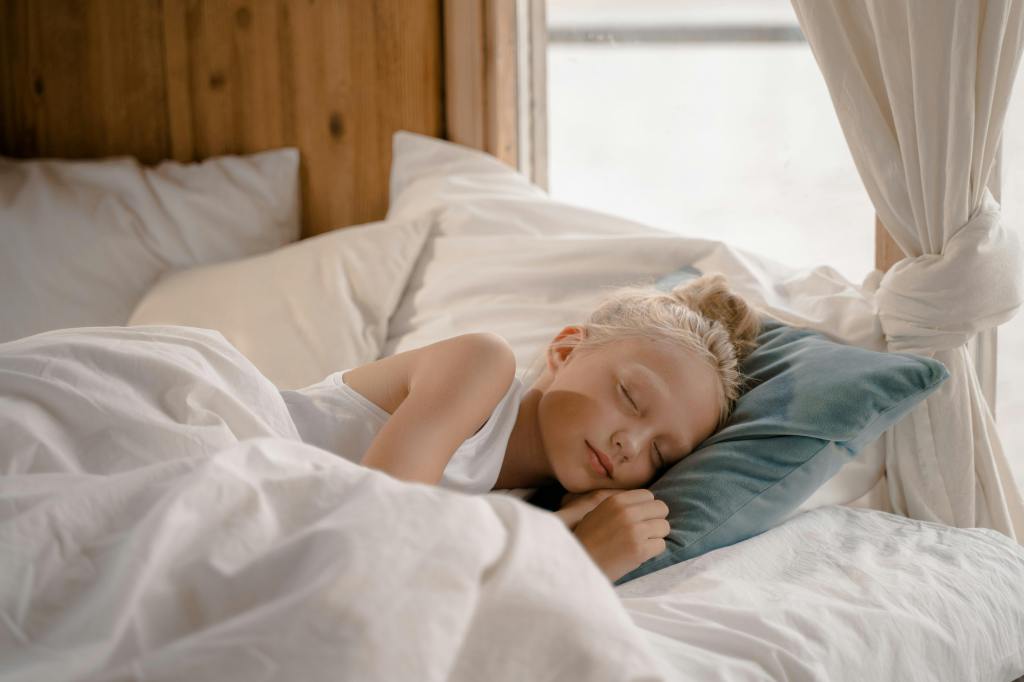
Some children love to wiggle their loose teeth anticipating an earlier visit from the tooth fairy. Other children may not like the feeling of their tooth moving in their gums and want to let the tooth come out on its own.
It’s all right if your child wiggles their loose tooth with their tongue or a clean finger, as long as their gums aren’t inflamed or causing pain.
The earlier baby teeth come in, the earlier they fall out
The most common time children lose their baby teeth is when their permanent tooth is ready to grow in and pushes out the baby tooth.
The first baby teeth that fall out are most often the bottom 2 front teeth, the lower central incisors. The next to fall out are the two top front teeth, the upper central incisors. Followed by the lateral incisors, first molars, canines and second molars.
Embrace each time the tooth fairy makes a visit to your house. These special moments will be a memory in the blink of an eye.

How old was your child when they lost their first baby tooth? Did the tooth come out on its own? Did you need to wiggle their tooth out? Have you saved their teeth? Tell us, We’d really like to know! Email us at kidstoothhotline@proton.me Like Us and Chat with us on Facebook
More tips? We have lots. We’re here just for kids!
In the Know for You to Know

You know your baby is going to get their teeth soon. You’re sad to see their adorable toothless grin go, but you’re anxiously awaiting that first pearly white tooth.
Everyone is telling you when baby teeth come in, and how long they take. But no one has mentioned the order baby teeth come in, or if there even is an order.
Well, yes there is a typical sequence for the way baby teeth come in (aka tooth eruption).
Today we’re talking about the usual order baby teeth (aka primary teeth) erupt into a baby’s mouth, and what happens if teeth come in out of order.
Your baby’s teeth have been forming during your pregnancy. When your baby is born they have all their baby teeth under their gums. With their teeth waiting to come into their mouth at the right time.


Baby teeth tend to erupt in pairs. So the tooth on the right will come in around the same time as their partner on the left.
These are the front teeth. These teeth are thin and flat. When your baby is on solid food, they help them bite into their food. There are 4 incisors, 2 lower and 2 upper.
Lower Central Incisors come in between 4-9 months of age.
Upper Central Incisors erupt between 8-12 months of age.
Each of these teeth comes in to the right and left of your baby’s central incisors. There are 4 lateral incisors, 2 lower and 2 upper.
Lower Lateral Incisors erupt between 10-16 months of age.
Upper Lateral Incisors come in between 9-13 months of age.
Each canine comes in behind the lateral incisors. These teeth have the pointed edge and help to tear into food. There are 4 canines, 2 lower and 2 upper.
Lower Canines come in between 17-23 months of age.
Upper Canines erupt between 16-22 months of age.
Molars are the largest teeth in the mouth. They have large flat biting surfaces that help to chew and grind food. There are 8 molars.
First Molars come in behind the canine teeth. There are 4 first molars, 2 lower and 2 upper.
Lower First Molars erupt between 14-18 months of age.
Upper First Molars come in between 13-19 months of age.
Second Molars come in behind the first molars. There are 4 second molars, 2 lower and 2 upper. These teeth are the furthest back in the mouth.
Lower Second Molars come in between 23-31 months of age.
Upper Second Molars come in between 25-33 months of age.
Typically the first baby teeth to come through the gums are the bottom front central incisors. These teeth come in when baby’s are around 4-9 months old.
The usual order for baby teeth to erupt is~



Between 25-33 months of age, the upper second molars erupt. By their 3rd birthday your toddler should have a full set of 20 primary teeth.
Children’s teeth are just like they are, lots of variety. While there is a typical time line for baby teeth to come in there is also variability in the process.
There may be no cause to worry if your baby’s teeth don’t come in the same order as their sibling’s, cousin’s or your friend’s baby.
Maybe their upper central incisors come in before their lower ones. Or, maybe the lower canine comes in before the upper first molars.
The exact order the teeth come in doesn’t matter. What matters is that the teeth come in and your child has their full set of 20 baby teeth by about their third birthday.


3 Tips to know about baby teeth~
Your baby’s first teeth are an important milestone in their growth. Baby teeth have an impact on your child’s facial development, their bite and how they chew their food.
The average age for a baby’s first tooth come into their mouth is between 4 and 9 months old. You can expect to see 2-4 new teeth come in every 3-4 months.
Teeth come in starting with the front central incisors, followed by the lateral incisors, canines, first molars and second molars.
When teeth come in, the bottom and top teeth typically alternate in terms of appearance.
Sometimes teeth come in out of sequence, and that’s okay, as long as they come in and they are healthy.

Do you remember which baby tooth was the first one your child had come into their mouth? It’s okay if you don’t, this isn’t a test. Which was the last baby tooth that came in? Did your child follow the typical tooth path or did they forge their own? Tell us, We’d really like to know! Send us an email at kidstoothhotline@proton.me Like Us and Chat with us on Facebook
More tips? We have lots. We’re here just for kids!
In the Know for You to Know
Like most childhood milestones teeth are variable. The age when a baby gets their teeth differs from child to child.
There are some infants who are born with teeth. Then there are 1 year olds who have yet to get any teeth.
When you’re out and about you’re noticing other children your baby’s or toddler’s or pre-schooler’s age who already have teeth or are getting teeth.
You’re wondering why at 1 year old your child doesn’t have any teeth yet?
Today we’re talking about possible causes of delayed baby teeth, also known as delayed tooth eruption.
There is no one set “normal” expected age for when teeth start to come into a baby’s mouth. It is a really wide range of time. Some babies may be born with teeth and some may not get a tooth until they’re 1 year old.
However, most babies get their first tooth when they are between 4 and 9 months old.
If a child does not have any teeth by the time they are 12-18 months old, it is time for them to see a pediatric dentist.
It is important to examine their mouth and try to determine the reason teeth have not come in yet, and what to do next.



For some children who haven’t gotten their baby teeth yet, it can come down any one of a number of factors ~
Genes for teeth are passed down just like hair color, eye color, and height.
If your child doesn’t have teeth yet, ask other family members how old they were or their children were when they started getting their teeth.
There are also some genetic conditions, such as Down’s Syndrome, which cause delays in tooth eruption.
There are some developmental delays, diseases, and syndromes which are associated with delayed tooth eruption.
Some include ~
Baby teeth begin forming during your pregnancy and are almost fully formed in time for a full term birth, and ready to start coming into their mouth in the next 4 to 9 months.
Tooth development slows down and delays tooth eruption for baby’s born premature, were low birth weight, and/or failure to thrive.
Poor nutrition with inadequate intake of vitamin A, vitamin B12, vitamin C, vitamin D, vitamin E, calcium, iron, phosphorus, magnesium and zinc, adversely affect tooth development and eruption.


For most children baby teeth coming in late isn’t a concern. For some other children there can be unknown issues.
It’s always best to talk with your pediatrician and pediatric dentist about why no teeth have come through your child’s gums.
Children’s teeth are just like they are, lots of variety.
While there is a general time line for baby teeth to come in, there is a lot of variability in the process.
For most baby teeth coming in late shouldn’t be a concern. However, for some children there could be underlying issues.
If your child’s baby teeth aren’t coming in as you’d expect and they are 12 months old there could be several reasons. Knowing these possible causes can help you take the appropriate steps.
Did your child get their teeth “on time” or were they late? How old were they when they finally got their teeth? Is your family a late tooth bloomer? Tell us, We’d really like to know! Email us at kidstoothhotline@proton.me Like Us and Chat with us on Facebook


More tips? We have lots. We’re here just for kids!
In the Know for You to Know
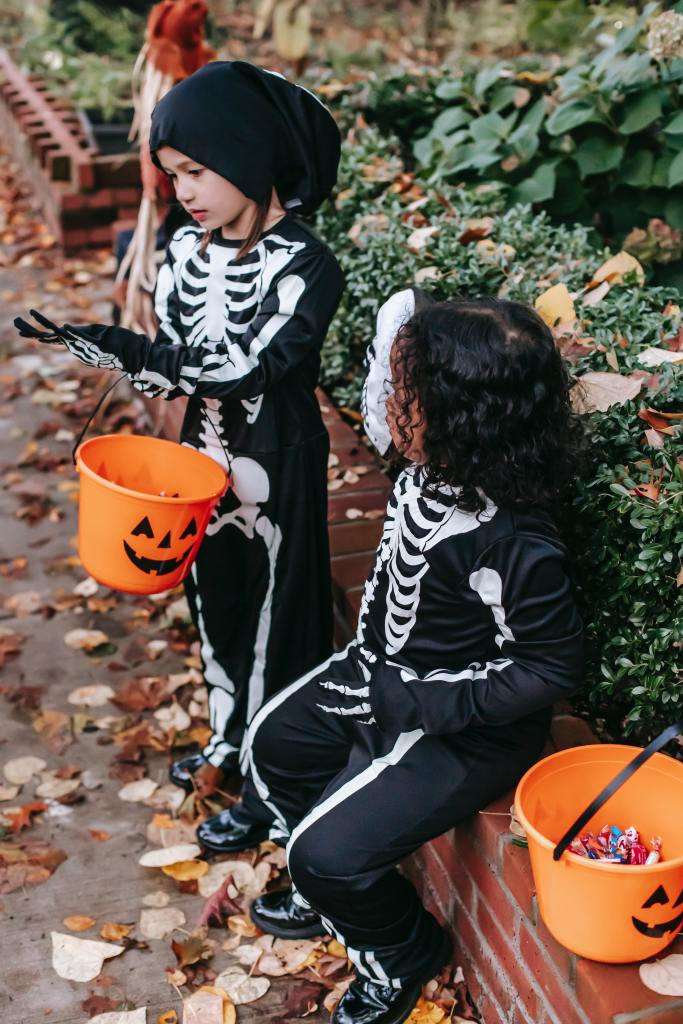
Halloween is finally here!
For the children it’s all about the excitement. The thrill of dressing up in their costumes to go out trick-or-treating to collect candy and trinkets from friends and neighbors.
For you it’s how to manage the sweets while keeping your child’s teeth healthy. Part of you is saying for them to have fun and enjoy some candy. Then you’re also thinking about keeping their teeth healthy.
So how do you keep candy and toothbrushing realistic while allowing your child to have a delightful time?


Each year we celebrate National Brush Day on November 1st.
The legend goes, that to make up for those extra sweet indulgences on Halloween we celebrate today to help your healthy toothbrushing routine.
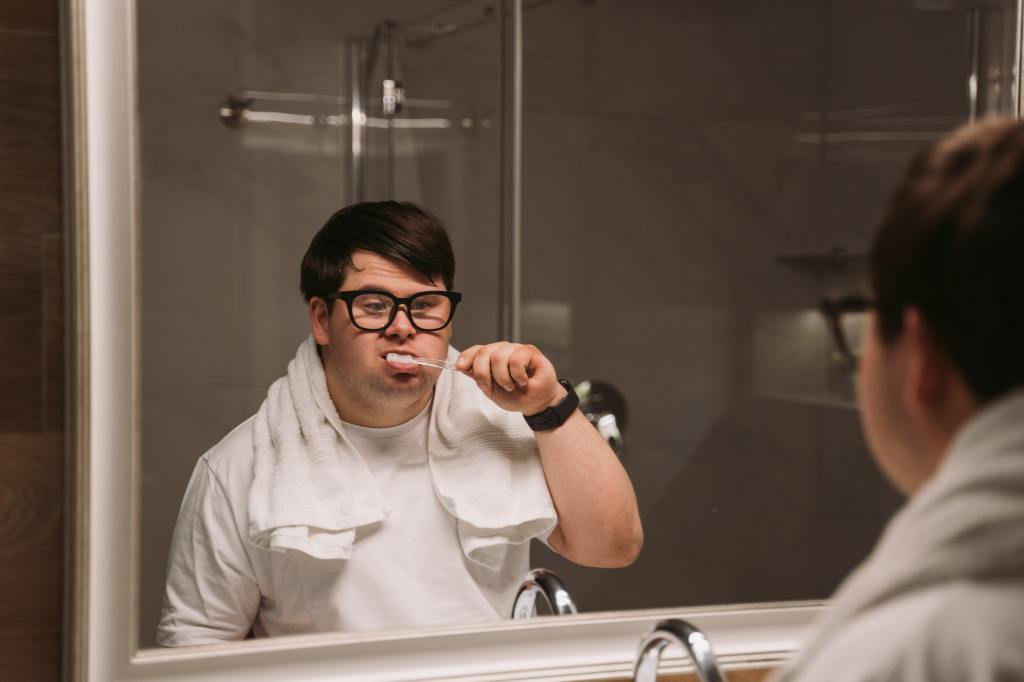
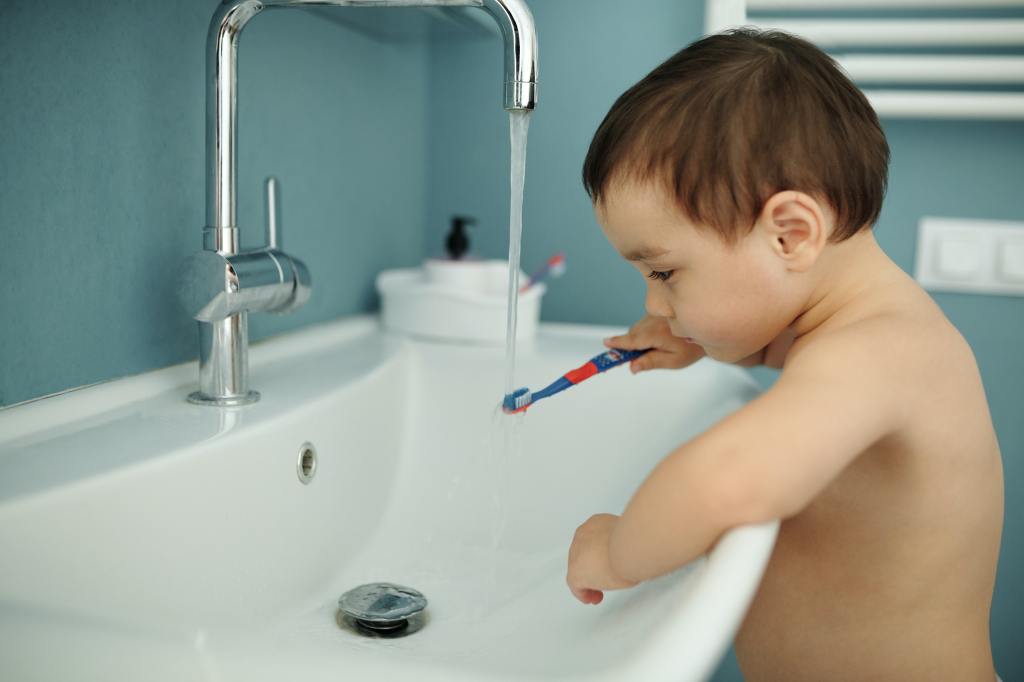
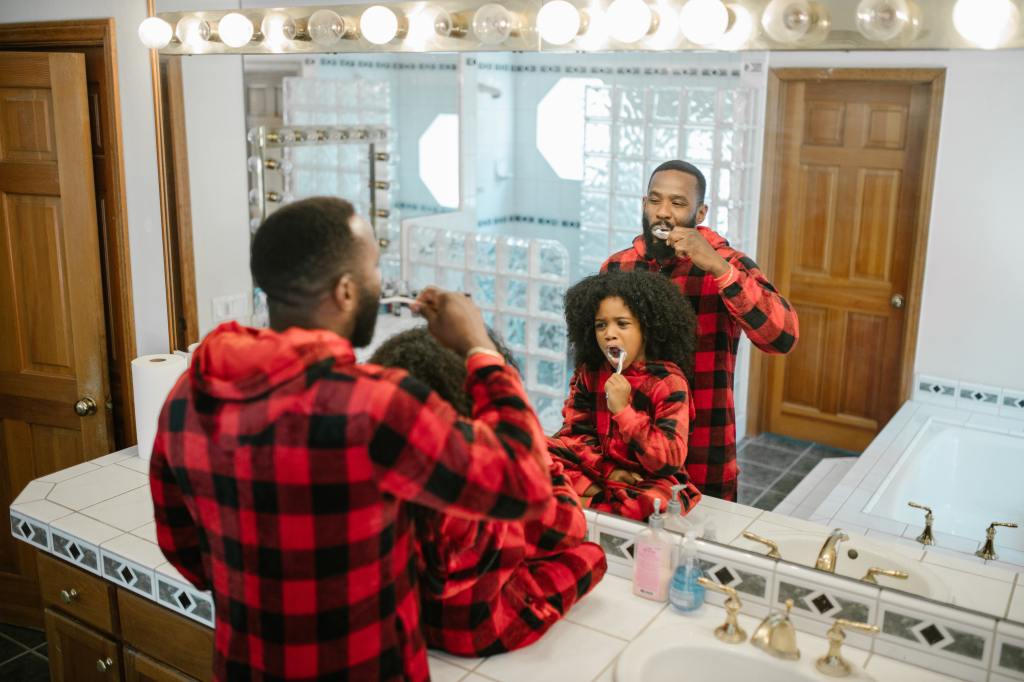
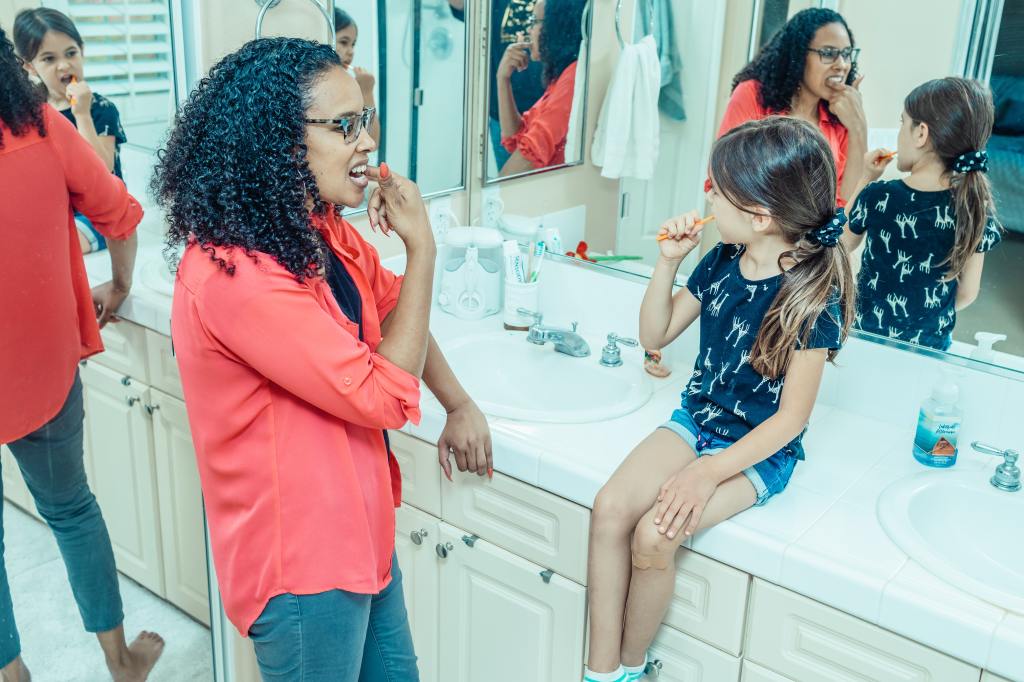
On this day it’s being mindful of how important brushing your child’s teeth for 2 minutes 2x’s a day is for everyone. Brushing is actually fun when you do it together and watching videos to make sure you get into all those tooth nooks and crannies.
Some ways to celebrate ~
Brushing for 2 minutes in the morning after breakfast and for 2 minutes before bed (and after flossing) is a great way to healthy teeth and gums.
Twice a day every day. That’s 7days a week/365 days a year. Yes, even on school days, holidays, vacations and weekends.
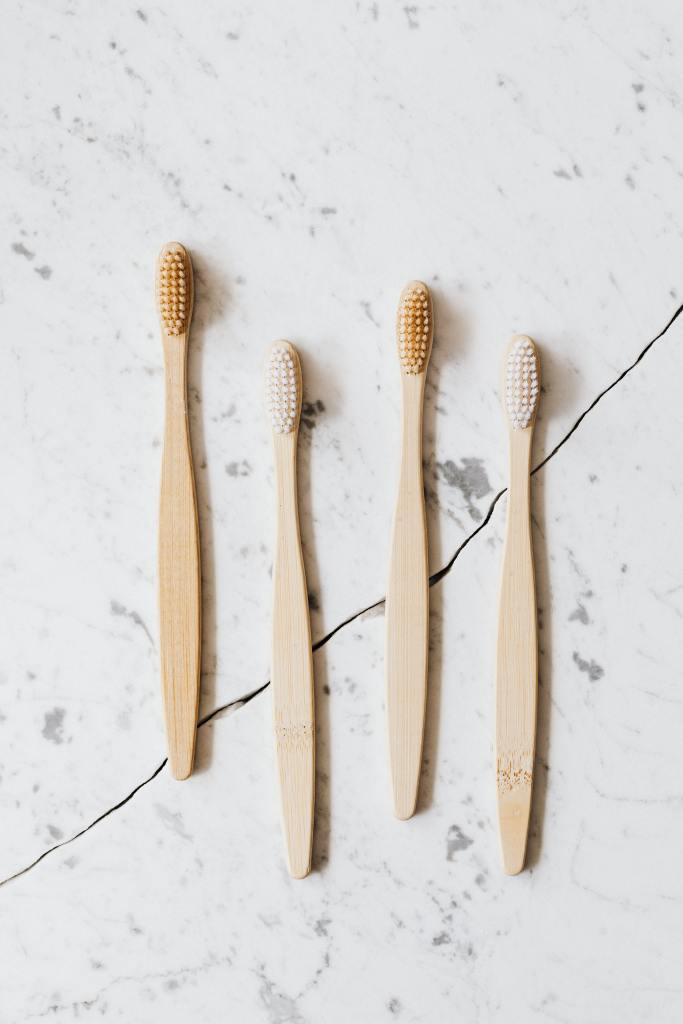
You’ll need 3 things, a soft bristle toothbrush (age appropriate size), a dab will do ya size of toothpaste (fluoride preferred), and a flosser.
Remember to floss first. Flossing first allows you to take out all the yucky stuff that gets caught in-between your child’s teeth (there’s always stuff) and then you brush all that away at once.
If you floss second, then you’ll have to brush again to take the
in-between teeth stuff away.
National Brush Day is a great day to start. This way it will always be your anniversary for good oral health!


Halloween is a thrilling time for parents and children. It’s a treat for parents to see their child’s enthusiasm about dressing up and for children to comb through scary decorations for their rewarding sweet treats.
Upon returning home with your child’s over flowing stash of goodies, take this opportunity to share lessons for making healthy choices and also to reinforce good dental habits.
You can continue all this enthusiasm on November 1st. November 1st is National Brush Day. Celebrate with brushing and flossing #2min2x, choose your family toothbrushing song, have a family brushing competition, select your favorite toothpaste flavor of the week; and always make brushing fun.
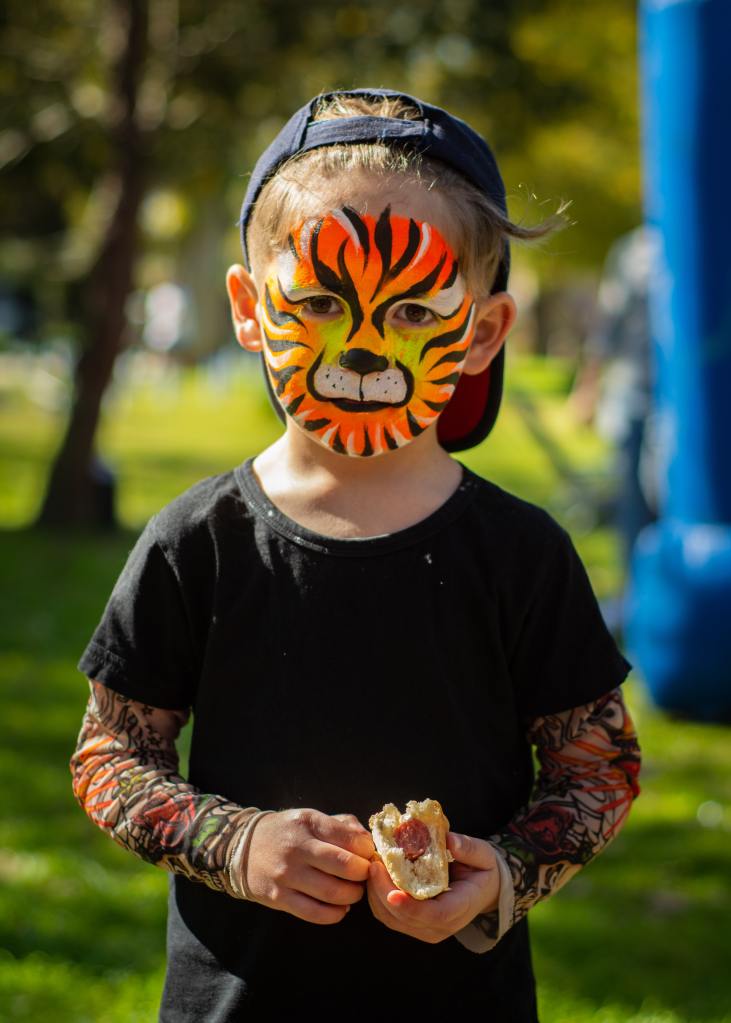
Have A Spooktacular Halloween! and remember to Lift Your Toothbrush For National Brush Day!
Tell us ~Are you having a Halloween Bash or going out Trick-or-Treating? What costume is your child looking forward to wearing? Which is your most memorable costume? Share your favorite toothbrushing song with us. What is your family’s toothpaste flavor this week? If you could create your own toothpaste flavor, what would it be? We’d really like to know! Send us an email at kidstoothhotline@proton.me. Like us or Chat with us on Facebook.
More tips? We have lots. We’re here just for kids!
In the Know for You to Know
Halloween is almost here. This is the sweet time of year when children enjoy dressing up in their favorite costume, going out trick-or-treating as they collect candy and treats from friends and neighbors.
Leading up to Halloween, everywhere you look there’s chocolates and sugary treats ready to tempt your eager trick or treaters.
So, how do you keep treats reasonable while enjoying your family’s fun Halloween trick-or treating?
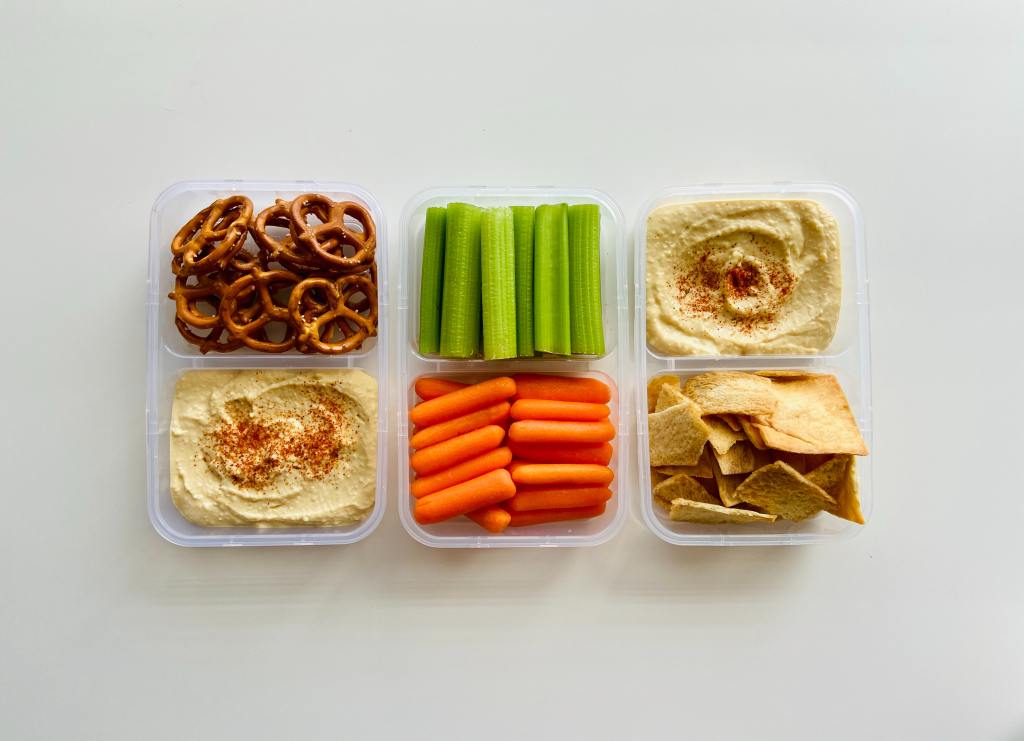
Whether it’s your annual Halloween monster mash, a gathering of your ghosts and goblins, appetizers to go with a witch’s brew or a pre trick-or-treat treat, no Halloween bash is complete without some scary snacks.
Try our top treats you can prepare with your child and your child will love this Halloween~
Peel mandarin oranges and separate the individual wedges. Dip the orange wedges into melted chocolate, place on a parchment lined sheet pan and chill in the refrigerator until firm. A bite sized black and orange treat just right for the season.
Fun and easy to prepare. Melt chocolate chips and peanut butter together in a bowl then add pretzel sticks. Arrange the pretzel sticks in the shape of a spider on a parchment lined sheet pan, place in the refrigerator or freezer until firm.
Whether you choose pizza dough, english muffins, pita, or a tortilla as your base, cover with your favorite tomato sauce and criss-cross slices of mozzarella cheese (or your child’s favorite cheese). Slice green or black olives to make the eyes. Bake until fully cooked.
Quarter an apple (red or green is your choice) and remove the core from each quarter. On the side where you removed the core, slice the apple part way through and spread with your favorite nut butter. Place a slice of strawberry, peach, or red plum onto of the nut butter to create the “tongue”. For the teeth place any nut of your choice into the apple above the through the nut butter. Melt chocolate chips and place a dab of melted chocolate on the bottom of 2 chocolate chips to create the eyes.
Fill a festive bowl with your favorite hummus. Run the back of a spoon through the hummus to create the look of a pumpkin. Serve with carrot sticks, celery sticks, pepper slices or cucumber slices.
Remove the stem and seeds from a bell pepper. Make cut outs in the pepper for the eyes, nose and mouth. Fill one pepper with your family’s favorite dip or dressing. Fill another pepper with pepper slices, carrot sticks, broccoli pieces, cucumber slices, carrot sticks or pretzels. A colorful, festive, fun way to encourage your child to eat their veggies.
These are fun, yummy and festive. Choose 2 of your family’s favorite cheese sticks. Cut each cheese stick to resemble the bristles of a broom. Place two cheese sticks around a pretzel stick or pretzel rod and tie together with a chive or use a vegetable peeler to create thin carrot ribbons to tie the broom together.




When it needs to be candy ~
Choose dark chocolate treats like chocolate bars over sticky, gummy candy. Chocolate melts off the teeth and has anti-oxidants which are good for children.
Sugar-free gum contains xylitol, stimulates saliva, neutralizes acids in the mouth, and helps wash away food particles all of which help keep teeth healthy.
Sugar-free candy contains xylitol, helps increase the flow of saliva, neutralizes acids in the mouth, and helps wash away food particles which help teeth stay healthy.
Part of Halloween fun is indulging. However some candies should be on the no candy list~
Gummy and sticky candies stay stuck to the teeth which is difficult to brush off.
Hard candies are so hard that they can cause a child to chip or break a tooth by biting into or chewing on them. Since these candies stay in their mouth for such a long time there is more time for the sugar to stick to their teeth.
Sour candies taste so sourly good because they are acidic which makes their saliva more acidic and weakens tooth enamel.
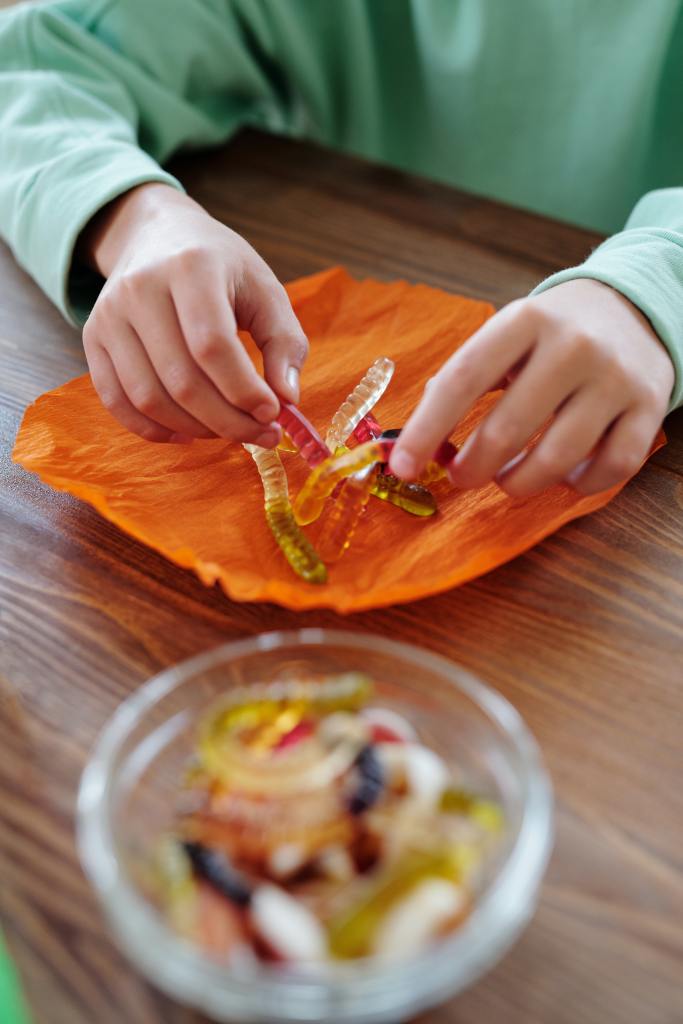


When given a choice select children’s play favorites such as ~
Halloween is every child’s dream. It’s the holiday of costumes and candy and more candy and even more candy. With all the joy trick-or treating brings, we don’t want to crush their excitement. So be the cool parent and the Halloween Hero, and wonder no more about which Halloween treats are best for your child’s teeth.
Does your family like to trick or do you like the treats? Are you doing a family costume theme or does everyone choose their own? What are your children’s all time must have no way it will ever change favorite Halloween treats? Where does your child like to keep their candy stash and how did you find it? Tell us, We’d really like to know! Email us at kidstoothhotline@proton.me Like Us and Chat with us on Facebook
More Tips? We have lots. We’re here just for kids!
In the Know for You to Know
It’s an exciting time, your baby is getting their teeth. Their first pearly white teeth are so adorable.
You’re noticing that teeth are coming in, but how many teeth is a child supposed to have?
Is the number of baby teeth the same as the number of adult teeth? How many teeth is that?
Today we’re breaking down the basics on exactly how many baby teeth and how many adult teeth a child is supposed to have.
Children have 2 sets of teeth.
Their first set of teeth are their baby teeth. Baby teeth are also called primary or deciduous teeth.
Baby teeth begin developing in your baby’s jaws during your pregnancy and continue until just after they are born.
A child’s second set of teeth is their adult teeth. Adult teeth are also called permanent teeth.
Adult teeth begin developing around birth. Wisdom teeth (aka third molars) are the last teeth to develop, which is around 8 to 12 years of age.
Baby teeth come into a child’s mouth when they are between 4 and 9 months of age, with the average being when a baby is 6 months old.
The timing and order of baby teeth coming into a child’s mouth (aka tooth eruption) is variable.
Most children by the time they are 3 years old have all of their 20 baby teeth.
20 baby teeth means that they have 10 top teeth and 10 bottom teeth.
So 8 incisors, 4 canines, and 8 molars make up the 20 baby teeth.

Around the time a child is 4 1/2 to 7 years old their baby incisors begin to get loose and they also have new teeth coming in behind their baby molars.
When their baby incisors are lost (aka exfoliate), they are replaced with their adult incisors.
Losing baby teeth and having new teeth come in typically continues until a child is 12 to 14 years old.
During this time the adult teeth are gradually replacing the baby canines and baby molars with adult canines and premolars.
School age children as well as tweens and teens also have adult teeth coming in behind their baby molars which are their new adult molars. These new molars do not replace baby teeth. The 6 year old molars come in first, and then the 12 year old molars.
So 8 incisors, 4 canines, 8 premolars, and 8 molars make up their 28 teeth.
Wisdom teeth (aka third molars) usually develop when a child is between 8 and 12 years old.
Typically you think about having 4 wisdom teeth. But that isn’t always the case. While lots of children develop 4 wisdom teeth, sometimes 1, 2, 3 or even all 4 teeth don’t develop.





The number of teeth depends on the child. Each child’s tooth pattern is different. Every child loses teeth and gets teeth at their own rate.
A 1 year old can have? Most 1 year olds should have between 2 and 6 teeth. Some can have 8 teeth, while other babies have none.
A 4 year old can have? Most 4 years olds should have all 20 of their 20 baby teeth.
An 8 year old can have? Most 8 year olds should have about 16 to 20 teeth, a combination of baby teeth and adult teeth.
A 15 year old can have? Most 15 year olds should have about 24 to 28 teeth. Some may have all adult teeth, while other’s can have a mix of baby teeth and adult teeth.
Baby teeth total is 20
Adult teeth total is 28
Wisdom teeth—
All 4 wisdom teeth develop, tooth total is 32 teeth
3 wisdom teeth develop, tooth total is 31 teeth
2 wisdom teeth develop, tooth total is 30 teeth
1 wisdom tooth develops, tooth total is 29 teeth
0 wisdom teeth develop, tooth total is 28 teeth
When your toddler has all their baby teeth they’ll have 20 teeth. 10 teeth on the top and 10 teeth on the bottom. The front teeth are their incisors, next are the pointy teeth called the canines, and behind those are the large squarish-rectangular teeth called the molars. So in all they’ll have 8 incisors, 4 canines, and 8 molars.
When your tween and teen has their adult teeth (not counting wisdom teeth) they’ll have 28 teeth. The adult teeth count of 8 incisors, 4 canines, 8 premolars, and 8 molars make up their 28 teeth. Including wisdom teeth the tooth count is up to 32.

How many teeth does your child have? How many teeth do you have? Did you know that the number of teeth your child has changes as they grow? Which tooth do you think is the most important? Tell us, we’d really like to know! Email us at kidstoothhotline@proton.me Like Us and Chat with us on Facebook
More tips? We have lots. We’re here just for kids!
In the Know for You to Know
Babies grow so fast and experience so many growth milestones so quickly you don’t know where the time has gone.
With all these first experiences it’s easy to overlook teeth. When you look around you see your family and friend’s babies who are around the same age getting their first teeth.
You’re wondering when will my baby get their adorable toothy grin?
Like with all baby’s milestones teething is very individual and unique to them.
Today, we’re breaking down the basics on when babies get their teeth.
There is no one set “normal” expected age for when teeth start to come into a baby’s mouth. It’s a really wide range of time. Some babies may be born with teeth and some may not get a tooth until they’re 1 year old.
However, most babies get their first tooth when they are between 4 and 9 months old.
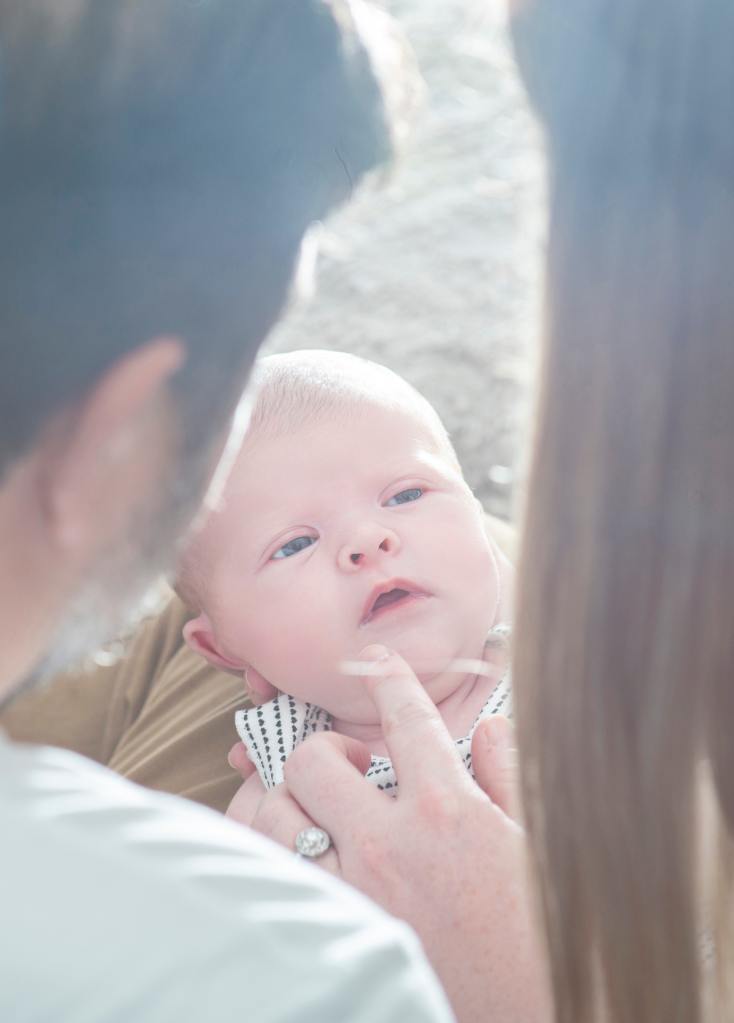

The very first teeth which typically come into their mouth are the 2 bottom front teeth. These teeth are their bottom central incisors and typically come in between 4 and 6 months of age.
The next teeth to come in are the top front central incisors. These incisors come in between 6 months and 8 months of age.
As the teeth grow underneath they push up against the gums. This pushing causes pressure that is uncomfortable.
But as a parent how can you tell if your baby is teething?
These are some classic signs of teething ~

Teething doesn’t cause a baby to develop a fever, diarrhea, or a rash.
If your child refuses to eat, you’re not able to console them, they develop a fever of 100 degrees Fahrenheit or higher, develop diarrhea, or develop any type of rash, these can be signs of potentially serious medical issues and it is imperative to contact your pediatrician immediately.
When babies are teething their gums often become swollen, red, appear to bulge from the tooth underneath.
As the tooth initially comes through the gums you will see the white tip of the tooth.
Babies begin to experience teething as the tooth grows up to the gums. Once the new tooth has come through the gums the teething pain begins to decrease over the next several days and is usually subsided within a week.
To help relieve the pressure the tooth exerts from under the gums, you can apply light pressure to the gums.
You can do this by~
The FDA (Federal Drug Administration) strongly recommends to avoid, and in fact discourages to use ~
The number of teeth depends on the baby and family tooth history.
Most 1 year olds have between 2 and 6 teeth. Some can have 8 teeth, while other babies have none.
This also depends on the child and family.
Most 3 year olds have all 20 of their 20 baby teeth. They have 10 teeth on the top and 10 teeth on the bottom.
From front to back they have their central incisors, lateral incisors, canines, first baby molars, and second baby molars; all adding up to 20 baby teeth.
When your baby starts teething it can be difficult for both of you. Teething can be stressful. Knowing all you can about your baby’s teeth is essential, and helps both of you through the teething process.
While there is no “normal” expected age for when teeth start to come into a baby’s mouth, most babies get their first tooth when they’re between 4 and 9 months old. Some children may start getting their teeth as early as 3 months while others not until 1 year old.
For you as a parent it’s important to recognize the signs of teething and understand how to take care of your baby’s teething pain. This enables you to take care of your baby the best way you can as they start to get their teeth.

How old was your child when they got their first baby tooth? What was teething like for them? How many sleepless nights did you have? What do you wish you had known then? Tell us, We’d really like to know! Email us at kidstoothhotline@proton.me Like Us and Chat with us on Facebook
More tips? We have lots. We’re here just for kids!
In the Know for You to Know
You’ve seen your gums bleed when you brush your own teeth, and don’t think twice about it. After all don’t everyone’s gums bleed?
Then you notice when you brush your toddler’s teeth their gums also bleed. Sure you’ve missed a few brushings but why would their gums bleed? Now when you look at their gums they don’t look so good.
Your toddler’s gums bleeding isn’t something you want to overlook.
Today we’re breaking down the basics for you to understand why this is happening, how to treat it, and how to prevent bleeding gums for your toddler.
In a word, No.
If you notice your child’s gums are bleeding when you’re brushing their teeth this is something to pay attention to.
It’s important to check and see if their gums are red, swollen, or tender. This is something to talk about with your pediatrician or pediatric dentist.

There are a few reasons why you toddler’s gums are bleeding ~




Yes, bleeding gums and gingivitis are the same thing. Gingivitis is inflammation of the gums surrounding the teeth which leads to bleeding gums..
When plaque sits on the teeth without being removed the gums become red, swollen, irritated and begin to recede away from the teeth.
Plaque irritates the gums and it is the consistent irritation that causes the bleeding.
What you need to look for ~
Yes, a toddler can have gum disease.
Gingivitis is the mildest form of gum disease (aka periodontal disease). This causes the gums to become red, swollen, and bleed easily.
At this mild stage gingivitis is reversible with regular dental care and good at home consistent twice daily home care.


The best way to prevent your toddler’s gums from bleeding is to keep to a daily routine of twice a day toothbrushing with a soft bristle brush and nightly flossing.
While you’re brushing their teeth, angle the toothbrush slightly towards the gums and brush in gentle circles all around their mouth, including their tongue.
Plaque also sticks to the tongue so remember to brush their tongue as well.
What to do ~
Your toddler’s bleeding gums is definitely something you want to pay attention to.
Plaque forms in the mouth everyday, even in toddler’s mouths. Beginning a regular toothbrushing and flossing routine with your child when they are young helps you both grow into it together.

Does your toddler have bleeding gums? How is your family’s daily toothbrushing and flossing routine going? What special tricks have you come up with to keep your routine going? What struggles are you having in your routine? Tell us, We’d really like to know! Email us at kidstoothhotline@proton.me Like Us or Chat with us on Facebook
More tips? We have lots. We’re here just for kids!
In the Know for You to Know

Happy Fall!
Fall is here and it seems like everyone is planing a trip to go apple picking.
There are so many wonderful things about apples, and just about everyone loves them.
Did you know that apples are a very important fruit? Not only are they packed with vitamins for a healthy diet, apples can also help clean teeth.
Keep reading for some fyi’s on how apples help keep teeth and gums healthy.
Eating an apple can help remove plaque from teeth and gums.
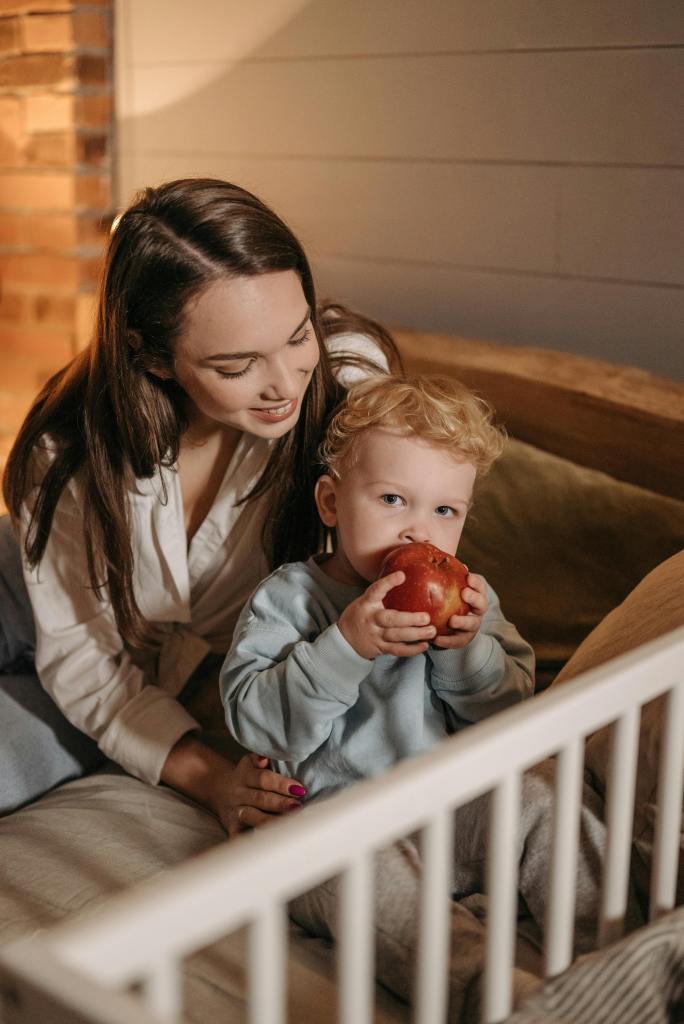


Apples make great snacks with their natural sweetness and high fiber content.
An apple’s natural sweetness decreases cravings for other higher sugar content snacks. The fiber keeps children full longer so they snack less. By being high in water apples are naturally juicy so your child is less likely to ask for sugary beverages.




What’s your family’s favorite way to eat apples? Do you have a special apple pie recipe to share? How many apples does your family eat in a week? What’s your family’s favorite apple? Tell Us, We’d really like to know! Send us an email at kidstoothhotline@proton.me Chat with us and Like Us on Facebook
More tips? We have lots. We’re here just for kids!
 kidstoothhotline