
Enjoy the miracle of Christmas with love, peace, and joy!
Merry Christmas!
Kidstoothhotline

Enjoy the miracle of Christmas with love, peace, and joy!
Merry Christmas!
Kidstoothhotline

In the Know for You To Know
Happy Holidays!
From each of us at Kidstoothhotline to each of you, we wish for your family a joyful holiday season, filled with the wonder of children, love, health and happiness.
Happy Hanukah!
Happy Yule!
Merry Christmas!
Happy Kwanzaa!
Enjoy days filled with the sparkle of laughter, big smiles, your home filled with warmth and joy that embraces you all year long!
All of our very best wishes,
Kidstoothhotline


More tips? We have lots. We’re here just for kids!

In the Know for You to Know
The holiday spirit is in the air! Spending time enjoying family, friends and food is here. Chocolates, candies, cookies, cakes and donuts are everywhere.
Mostly everything our children eat this time of year is tied to tradition, especially the sweets. As parents we want to create new memories and enjoy family traditions.
This is also a great time to start new family traditions to help your child maintain healthy tooth habits even during your hectic holiday schedule.
How do you do this?
I’ve put together some tips for keeping teeth healthy while enjoying the holidays.
We’ve all heard this from our parents. You can enjoy everything but everything in moderation.
And you know this is true, especially for sugary and starchy foods. But why?
Holiday time with big family meals and lots of special foods and tons of deserts increase the number of times children are eating sweets.
The natural bacteria in their mouth also love all those sugary and starchy foods. When the sugars and starches stay on the teeth, the bacteria release acids that eat away at tooth enamel. Eating away at the enamel is a cause of cavities.
What to do? When your entertaining and festive meals are planned, make sure your child’s other meals and snacks are full of foods that help strengthen teeth, like fresh vegetables, whole grains, low-fat dairy and lean protein.
If you’ve been invited out for the holidays, stock your own refrigerator and kitchen cabinets with healthy food. This way you know that when you’re at home, your child is enjoying foods with less sugar and important nutrients.
Family time together with home made cookies and hot chocolate is the best. With minor alterations in the recipe these special treats can be even better.
Instead of using all purpose flour, perhaps you can find a recipe that replaces some of the regular flour with whole wheat flour. Maybe you experiment to see how much frosting, icing, sprinkles, jimmies and sugar decorations you can remove from your baked goods and your children and guests will still absolutely love them.
There’s something so special about drinking hot chocolate with marshmallows when it’s cold outside. Maybe instead of mixing up those pre-packaged mixes (which are loaded with sugar), you make it from scratch. This way you can keep the hot chocolate on the yummy side but not the sugary sweet side. Or maybe you’ll add a dash of cinnamon. Remember, that peppermint stick candy is just for decoration.


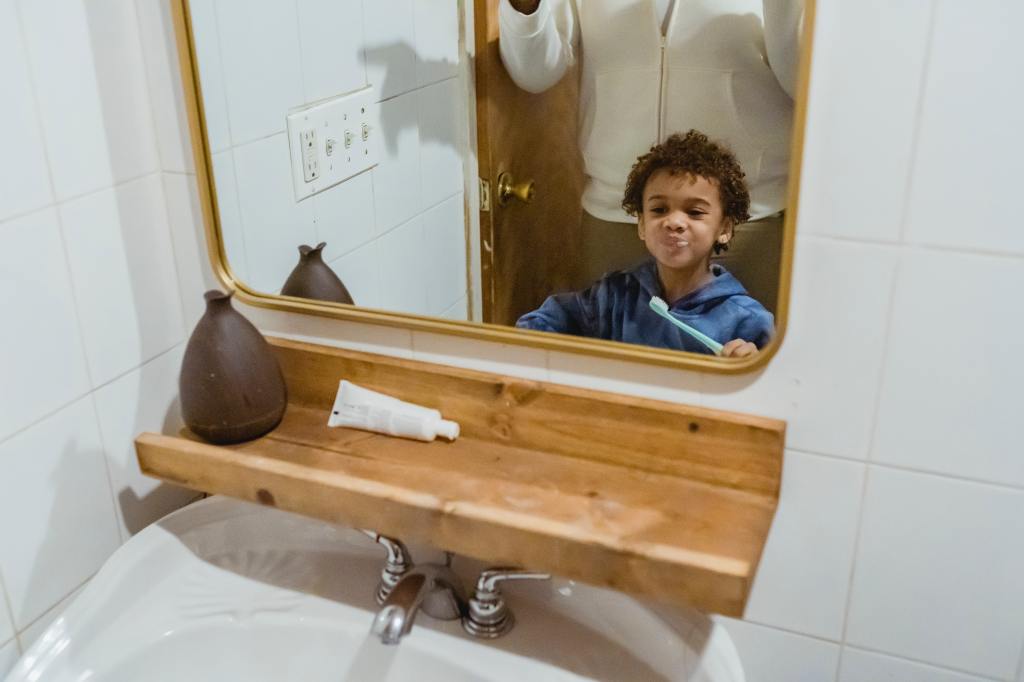
Set aside a dedicated time each morning after breakfast and each night before bed devoted especially for you and your child as “our together time.” This way you’ll be reinforcing good toothbrushing and flossing habits.
Making oral hygiene even more of a priority during the holidays can help go a long way to protecting your child’s teeth.
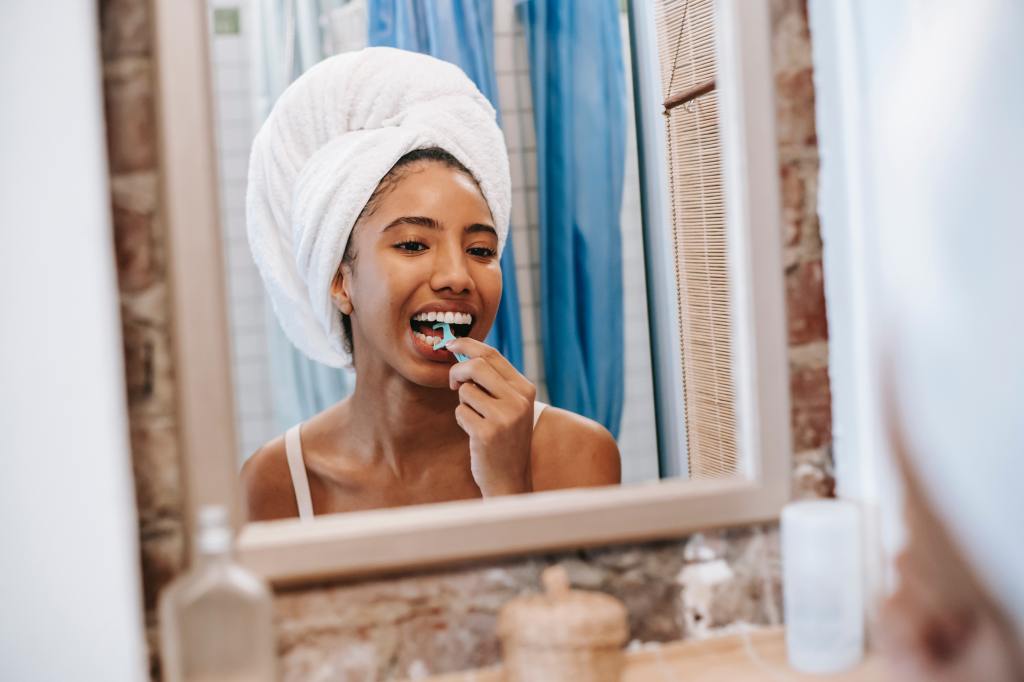
Remember to brush your child’s teeth with a fluoride toothpaste for 2 minutes in the morning and 2 minutes before bed, and floss before their bed time brushing.
If you’re traveling for the holidays, pack all your children’s brushing supplies in your easy to access luggage before you head out on the road.
Checklist:
Spending time together in the kitchen enjoying all the cooking and baking, or at the table reminiscing after a luxurious meal is amazing and heart warming.
But it’s actually not that great for teeth.
Did you know that the first 30 minutes after eating are the most vulnerable time for teeth? This is when teeth are the most susceptible to those bacterial acids. So eating a cookie here, grabbing a candy there, actually restarts the clock each time.
It’s really better to eat and drink all at once. If your child is having their special treat, juice or soda, it’s best for them to have it with their meal. This is so that it gets neutralized by their saliva.
Include a few tooth friendly gifts into your holiday gift mix as a good way towards keeping your child’s teeth healthy during the holidays and afterwards.
Gift Tips:
Drinking water helps wash away the residual food that stays around in the mouth as we eat and after we eat. Water also helps to stimulate more saliva to be released into the mouth, which neutralizes the pH of the mouth.
This is a good thing because there isn’t any sugar in water. Which also helps to neutralize the acid caused by bacteria in the mouth.
Drinking water is always a good idea, whether it’s with a meal, after a meal, instead of juice and soda, or after a sugary drink.
An added bonus of water is that it keeps everyone hydrated.
The holidays are hectic enough. Help your child brush like a champ.
Being watchful about the amount of sugary treats they eat during the festivities and downtime at home, and keeping up with their regular dental check-ups goes a long way to happy mouths and bright smiles.
Sugar bugs love to eat sugar and teeth. What do you think is their most favorite time of the year? What is your child’s favorite holiday story? Does your child have a favorite holiday food? Tell Us, We’d really like to know! Send us an email at kidstoothhotline@proton.me Like Us on Facebook
Happy holidays for all, and for all a bright smile!
More tips? We have lots. We’re here just for kids!

In the Know For You To Know
Here you are. You have your child’s dental appointment all set. You’ve talked about this. Even read books and watched videos. They’ve practiced how big they’re going to open for the dentist to see all their teeth. This time it’s going to be different. Everything is going great.
Somewhere along the drive to the dental office your child says “I don’t want to go. I’m scared.” They keep repeating this louder and louder. Then they start to cry.
You know their melt down has started. Maybe this time it will get better before you get there. But what if it doesn’t and gets worse?
What do you do? How do you calm and reassure your child there’s nothing to be scared of at the dentist’s office? Will they believe this?
A lot of children are afraid of the dentist. So today we’re discussing children’s dental anxiety and how you can make your child’s pediatric dental appointment a positive experience.
It’s relatively common for children to have dental anxiety. Overall, the prevalence of dental anxiety in ~


As a parent you can help your child overcome these negative and fearful feelings about dental care with an empathetic attitude and positive reinforcement.
Understanding and addressing dental anxiety in children is critical for their long term oral health. Anxiety, often rooted in fear, unfamiliarity, or past experiences can make their dental visits challenging.
We do this by working together. As pediatric dentists our goal is to empower you with knowledge and tools to help your children overcome their dental fears.
Fostering a collaborative approach ensures that children feel they are supported, informed, and involved in their dental health, making dental visits a positive experience. All of which helps to ensure a life time of healthy smiles.
Is your child afraid to go to the dentist? Do you know a child who had meltdown before, during or after their dental appointment? What tips do you have that has worked for you? Tell Us, We’d really like to know! Send us an email to kidstoothhotline@proton.me Like Us on Facebook


More tips? We have lots. We’re here just for kids!

Wishing you a happy and fun filled Thanksgiving!
A great meal is the beginning. Family and friends mean so much. Enjoy your time together.


Happy Thanksgiving from Our Family at Kidstoothhotline to Your Family!

In the Know for You to Know
Your child had their dental appointment for their filling (or tooth extraction) and everything went great. Yea! Everyone is cheering and so happy!
The pediatric dentist talks with you about their after care. You take special note to be especially careful and watch them since the novocaine (aka local anesthetic, numbing) hasn’t worn off yet.
Your child says that their mouth feels funny on that one side. They tell you that they don’t like it. It feels funny and big. They want you to make it “wake up now.” Then they try on their own to pinch and hit their lip and cheek saying “wake up.” You ask them to stop and put their hands in yours. Both of you explain that their mouth will “wake up” in a little while. For now it’s important to let it be and wake up on its own.
Children will be children and this is difficult for them. They want their mouth to feel “normal and regular.”
How many of us have been here? Whether it’s after your child’s or your dental treatment, many of us have experienced this feeling.
As the patient myself, as the mom, and as the pediatric dentist I have been here.
Today we’ll be talking about what happens when despite all of our best efforts your child experiences a lip bite.
When a child needs a filling (or tooth extraction) local anesthesia is often used to “numb” the area. Depending on the treatment needed and the type of local anesthetic, it can last from 2-4 hours.
This makes it difficult for a child to feel their lips, cheek, and tongue. As a result, they may accidentally bite, chew or suck on these areas without realizing it.


In the event your child accidentally bites their lip, cheek or tongue, there are a few signs you need to look for ~
If your child does bite, chew or suck on their lip, cheek or tongue, a yellowish-white scab forms as the wound heals. This may take up to 14 days to go away.
If the bite is larger or includes the skin, it takes longer to heal and may cause scaring.


Eating is important. Stay with things like ~
Keeping your child’s mouth and the bite area clean is really important. This is because clean areas heal faster.
It’s important to ~


A dad brought his 4 year old child to my office for a filling on a bottom back tooth (aka molar). This child did great. They even got an extra prize for being so awesome.
As I was sitting this child up in the chair I could see they felt the one side of their mouth was “feeling funny.”
I reviewed the after care instructions with Dad, and explained to the child (in age appropriate words) about the “funny feeling.”
Everything went well. I checked in on the family that evening and Mom was so happy and pleased. I reviewed instructions for overnight (as I always do).
The next morning Mom brought her child to the office. She was (understandably) livid. When this child woke up their lip and cheek was visibly swollen, there was some blood crusting and had a white-ish yellow covering.
After making sure there wasn’t any infection, this turned out to be a lip bite.
I cleaned the area and instructed mom on how to take care of the bite area. We talked about diet and oral hygiene. I sensed mom’s concern and encouraged mom to speak with her pediatrician.
I also called the pediatrician (which is my usual when there are concerns). The pediatrician encouraged mom to follow my recommendations and would also follow up.
We made appointments and I saw this child everyday in the office to monitor their healing. At the 5 day mark the swelling was resolved and by day 7 the bite was healed. When I saw them on day 10, you wouldn’t have known there was a lip bite.
Mom took a picture on day 10 and compared it with a picture taken prior to the filling. She said that no one could tell any difference.
Are you wondering? Yes, this family still brings their children to my office along with cousins and a few neighbors.
If your child received local anesthesia for their dental treatment their lips, cheek, and tongue will be “numb” for a few hours after their appointment.
Since they can’t feel these areas, sometimes children may accidentally bite them. This causes them to swell.
It’s very important to watch your child closely after their dental appointment. You’ll need to remind them not to suck, bite or chew on their lip, cheek or tongue.
Cold drinks, frozen treats (like popsicles), and cool compresses can help them feel comfortable.
If your child has any swelling or something doesn’t look right to you contact your dentist’s office immediately so they can be evaluated.
Has your child had local anesthetic for a filling or tooth extraction? How did they do afterwards? Did your child bite their lip or cheek or tongue? What did you do? Do you know a child who bit their lip? How did it go? Tell Us, We’d really like to know! Send us an email at kidstoothhotline@proton.me Like Us on Facebook
More tips? We have lots. We’re here just for kids!

In the Know for You to Know
As a Mom we love to look at our child’s big adorable grin. We know that a big welcoming smile is a great way to meet people and make friends.
Yet many children and teens are self-conscious about their smiles because of discolored or not so white teeth. This concern is even more prevalent now with the emphasis on whitening teeth.
A smile can have an enormous impact on a child’s self-esteem. Children who are self-conscious about their smile’s seem reserved and don’t appear to be interested in making friends.
We’ve all seen those children during our after school pickups. The ones who are hiding their mouths behind their hands or actively keeping their mouth’s closed to avoid showing their teeth to the world.
Today I’m answering your questions about what’s important for you to know about tooth whitening.
There are many possible causes of discolored teeth and white spots on a child’s tooth enamel.
Some of the most common include:
Teenagers especially will focus on an off-white smile. They usually request bleaching during prom season, spring break and when they’re going off to college.
Home tooth whitening kits are similar to those used in the dental office. But the concentrations of active ingredients are lower than in a dental professional’s product.
In the office, the pediatric dentist can control the application of the whitening agent. This allows us to work with higher concentrations.
It’s important to keep an eye on overly enthusiastic teens. Watch out for them disregarding the instructions on the home whitening kits. They’ll apply them for more than the recommended time. This can lead to:
Remember, consulting with your pediatric dentist is always necessary, especially when discussing at-home whitening kits and possible risks.

Let’s look at tooth colored fillings and whitening toothpaste.
Another option for children with discolored teeth is tooth colored fillings. These fillings are also known as composites or bonding.
Bonding uses a composite resin to make cosmetic changes to teeth. For the front teeth, the composite covers the flaws with a thin plastic coating on the front surface. After the coating is applied it’s sculpted, shaped and polished to give a desired result.
There are some limitations when it comes to bonding:
What about whitening toothpaste for older children and teens?
A key aspect whether it’s whitening toothpastes or whitening kits is to determine the extent of tooth root development. Nobody wants stunted roots, which can happen when using whitening agents.
The more complete root development is the better. After that a whitening toothpaste with fluoride should be used only 1 time a day. This is because these products are abrasive. They can wear away tooth enamel, making teeth sensitive to hot and cold.
For the 2nd daily brushing, it’s important to use a regular non-abrasive toothpaste with fluoride.

No child should feel like they have to hide their teeth. With today’s advances all children should have the freedom to meet the world with a big wide smile.
Has your child asked you about whitening their teeth? Have you thought about tooth whitening for your child? Are you considering at home whitening or in office whitening? Do you use a whitening toothpaste? Tell Us, We’d really like to know! Send us an email at kidstoothhotline@proton.me Like Us on Facebook
More tips? We have lots. We’re here just for kids!

In the Know for You to Know
As a parent we’ve all been there. Whether we’re out and about or at the grocery store with our children, when they get thirsty they want something sweet. That sugary drink is soda.
It may seem to be okay to occasionally give in and let them have that soda. However, there are things for you to know and consider before saying yes to a soda.
Soda is made from sugar and acids. Over time these 2 things lead to tooth decay (aka cavities).
This is why:

Citric acid and phosphoric acid are 2 acids commonly found in soda, and they directly attack tooth enamel. Which leads to enamel break down and ultimately tooth decay.
Soda affects teeth in 1 significant way that leads to long term troubles.
Tooth enamel is the hard outer layer of teeth that is there to protect teeth. Soda weakens and breaks down this protective layer causing:
What’s important to know is that tooth enamel doesn’t regenerate or grow back. Once it’s gone, it’s gone.
The issue is that this does not only affect 1 tooth. The sugar and acids melt away the tooth’s enamel by dissolving it until it isn’t there any more.
Remember the science experiment when you put a tooth in a plastic cup and poured soda over it? What you saw on day 1 was very different from what the tooth looked like at the end of the experiment.
What did you see at the end? A gnarly brown tooth with holes in it.
Dental experts, including those at the American Academy of Pediatric Dentistry have found that:
The American Academy of Pediatrics (AAP) and the American Heart Association (AHA) agree. Together they put out a joint statement endorsing policies to reduce children’s consumption of sugar.
Cavities and tooth pain are the tip of the iceberg. The effects of drinking soda on a regular basis also set children up for other health problems as they get older.


Regular or diet soda doesn’t matter. They both do the same harm when it comes to teeth.
Knowing the consequences of why soda is bad for your children’s teeth helps you to make informed choices for your entire family.
Realistically your child is going to have a soda at a birthday party or holiday get together. After wards, it’s important to make sure you’re keeping up with their flossing and brushing.
Remember, preventing dental problems is easier than treating them.


Does your child have a favorite soda? How much sugar do you think there is in soda? Do you think soda is good to drink? How much soda do you think is okay for your child to drink? Do you think soda is bad for your children’s teeth? Tell Us, We’d really like to know! Send us an email at kidstoothhotline@proton.me Like Us on Facebook
More tips? We have lots. We’re here just for kids!

In the Know for You To Know
Halloween is here!
It’s the time of year when children enjoy dressing up in their favorite costume, going out trick-or-treating and trying to see how much candy and treats they can collect from friends and neighbors.
Every where you look there’s chocolates and sugary treats ready to tempt our eager trick or treaters.
So, how do you keep treats reasonable while enjoying your family’s fun Halloween trick-or treating?
I’ve put together our top picks for tooth friendly treats your child will love this Halloween. You can even make them together.
Is this your annual Halloween monster mash or a gathering of your ghosts and goblins? No Halloween bash is complete without some scary snacks.
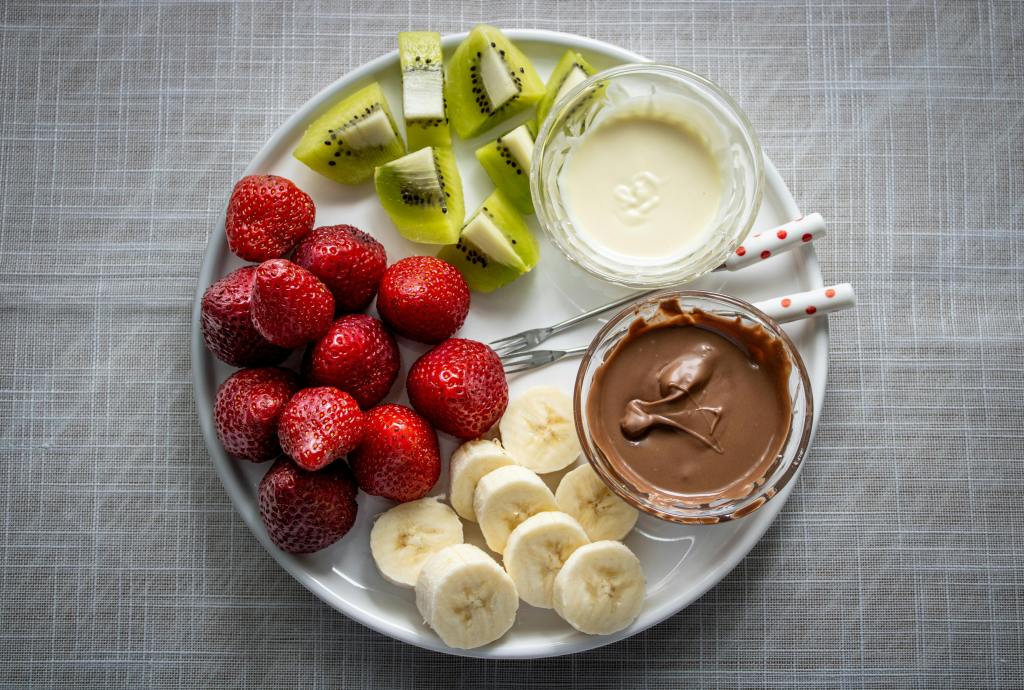
Peel mandarin oranges and separate the individual wedges. Dip the orange wedges into melted chocolate, place on a parchment lined sheet pan and chill in the refrigerator until firm. A bite sized black and orange treat that’s right for the season.
Whether you choose pizza dough, english muffins, pita, or a tortilla as your base, cover with your favorite tomato sauce and criss-cross slices of mozzarella cheese (or your child’s favorite cheese). Slice green or black olives to make the eyes. Bake until fully cooked.
Between 2 slices of apple spread your favorite nut butter. Place a slice of strawberry, peach, or red plum onto of the nut butter to create the “tongue”. For the teeth place almond slices into the nut butter. Apples are great for stimulating saliva production, which naturally cleanse the teeth, making them an ideal choice for a healthy Halloween snack.
Remove the stem and seeds from a bell pepper. Make cut outs in the pepper for the eyes, nose and mouth. Fill one pepper with your family favorite dip or dressing. Fill another pepper with pepper slices, carrot sticks, broccoli pieces, cucumber slices, carrot sticks or pretzels. Veggies aren’t only tasty and crunchy. They naturally clean teeth by stimulating saliva production. A great choice for a Halloween snack.
Witches Broomsticks are fun, yummy and festive. Choose 2 of your family’s favorite cheese sticks. Cut each cheese stick to resemble the bristles of a broom. Place two cheese sticks around a pretzel stick or pretzel rod and tie together with a chive or use a vegetable peeler to create thin carrot ribbons to tie the broom together. Cheese is healthy for teeth and can help prevent cavities.


Halloween is every child’s dream. It’s the season of costumes and candy and candy and more candy. With all the joy trick-or treating brings, we don’t want to crush their excitement.
So be the cool parent and the Halloween Hero because a healthy Halloween doesn’t mean dull and boring. Being creative with snacks and staying committed to your child’s oral hygiene routine allows you both to have fun!

Does your family like to trick or do you like the treats? Are you doing a family costume theme or does everyone choose their own? What are your children’s all time must have no way it will ever change favorite Halloween treat? Where does your child like to keep their candy stash? Share with us your Halloween treat ideas and experiences! Tell us, We’d really like to know! Email us at kidstoothhotline@proton.me Like Us on Facebook

More tips? We have lots. We’re here just for kids!

In the Know for You to Know
Have you ever had a cavity? Even a small one?
Growing up it seemed that at every dental check-up I had another cavity. My parents didn’t know why. Doesn’t everyone have cavities?
During dental school the whole issue around cavities became clear. Then when I became a pediatric dentist it became crystal clear. There wasn’t only one thing that caused cavities. It’s a cycle. A never ending daily cycle.
I want to share with you how you can help protect your child’s teeth.


Don’t leave your child’s oral health up to genetics or luck. It’s not luck that contributes to good teeth. It’s about planning, consistency and adapting as your child grows.
With everything you have to do, it may be tempting to skip a day. Turns out diligence is the key.
What are your tips for keeping teeth cavity free? Do you have a routine that works for your family? Tell Us, We’d really like to know! Send us an email at kidstoothhotline@proton.me Like Us on Facebook

More tips? We have lots. We’re here just for kids!