In the Know for You to Know
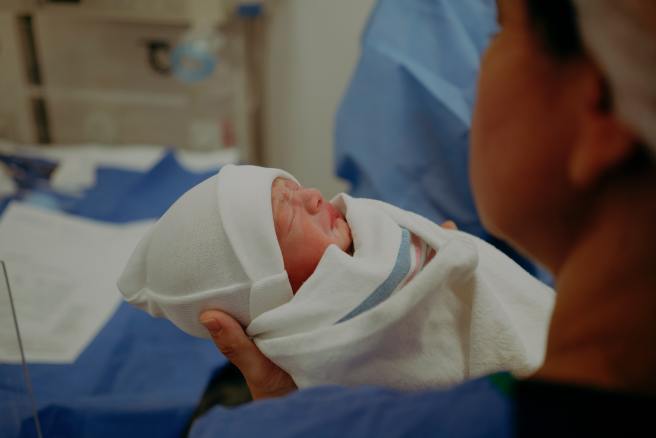
Yes it is possible for babies to be born with teeth. We’re used to hearing that we should expect babies to get their first teeth around the time they are 6 months of age. Believe it or not, you’d be surprised that some babies are born with teeth!
What Are These Teeth And Where Did They Come From?
Some babies are born with teeth, and they are called Natal Teeth.
The reason for natal teeth is not well understood. What is known is that there is no one single cause of natal teeth.
Some say these are baby teeth that come in early. Some say it’s genetic. While others are of the opinion that babies born with cleft lip or cleft palate are more likely to have natal teeth.
What To Know About Neonatal Teeth
There are some babies who have teeth appear within the first 30 days after they are born, these are called Neonatal Teeth.
Neonatal teeth are less common than Natal Teeth. They can develop like typical baby teeth, but they need to be watched as they carry many of the same complications and risks as natal teeth.



What Do Natal and Neonatal Teeth Look Like?
Sometimes these teeth have the same shape and appearance as typical baby teeth. While other times they may be smaller, under developed, yellow or yellow-brown in color, loose, or conical in shape.
Natal and neonatal teeth can come through the gums in the same places a baby tooth would, but they’re most likely to be in the bottom front area. Sometimes there’ll be a lone tooth, or they can come in as a pair.
Complications To Watch Out For
While natal and neonatal teeth aren’t usually fully developed like usual baby teeth, there are some complications to watch out for:
Breastfeeding Difficulties – Babies with natal and neonatal teeth often have difficulty latching on for breastfeeding. These teeth can also make breastfeeding painful for mothers as they can cause sores due to biting.
Tongue Injury – An injury to the tongue is uncomfortable, especially for a newborn, and especially when it is on the bottom surface or tip of their tongue. These are the places where their tongue comes in contact with the natal or neonatal teeth. This can also cause interferences with breastfeeding.
Tooth Swallowing – There are some circumstances when the natal or neonatal teeth are loose and there is a risk of them being swallowed that they’ll need to be taken out for safety.
Treatment For Natal And Neonatal Teeth
Some treatment may include:
Tooth Extraction – This is recommended if the baby’s natal or neonatal tooth is loose to prevent the tooth from being swallowed.
Smoothing – Smoothing the tooth if it is impacting the baby’s ability to feed. If the tooth is sharp it can cause pain and injury during breastfeeding.
Watch and Wait – Some natal and neonatal teeth are actually baby teeth. If this is the case and there aren’t any concerns with these teeth, keeping them in place has many potential benefits for your child’s oral health.
As long as natal and neonatal teeth are not interfering with feeding, not causing any injuries or problems, aren’t at risk for being swallowed, aren’t bothering you or the baby they can be kept in place and monitored. It’s also important to care for them as you would regular baby teeth.
Let us know if you know someone whose baby has (or had) natal or neonatal teeth and what they needed to do. Send us an email at kidstoothhotline@protonmail.com or Message us, Like us or Send us a Comment on Facebook at www.facebook.com/kidstoothhotline
More tips? We have lots. We’re here just for kids!

 kidstoothhotline