In the Know for You to Know
Once your baby comes you’re going to be busy. As a parent you have so many responsibilities. Let’s face it, teeth sometimes fall to the bottom of the list.



So we’ve put together some tips to help you seamlessly incorporate dental health into your new daily routine.
Tip 1 Mom and Dad, you and your baby share everything.
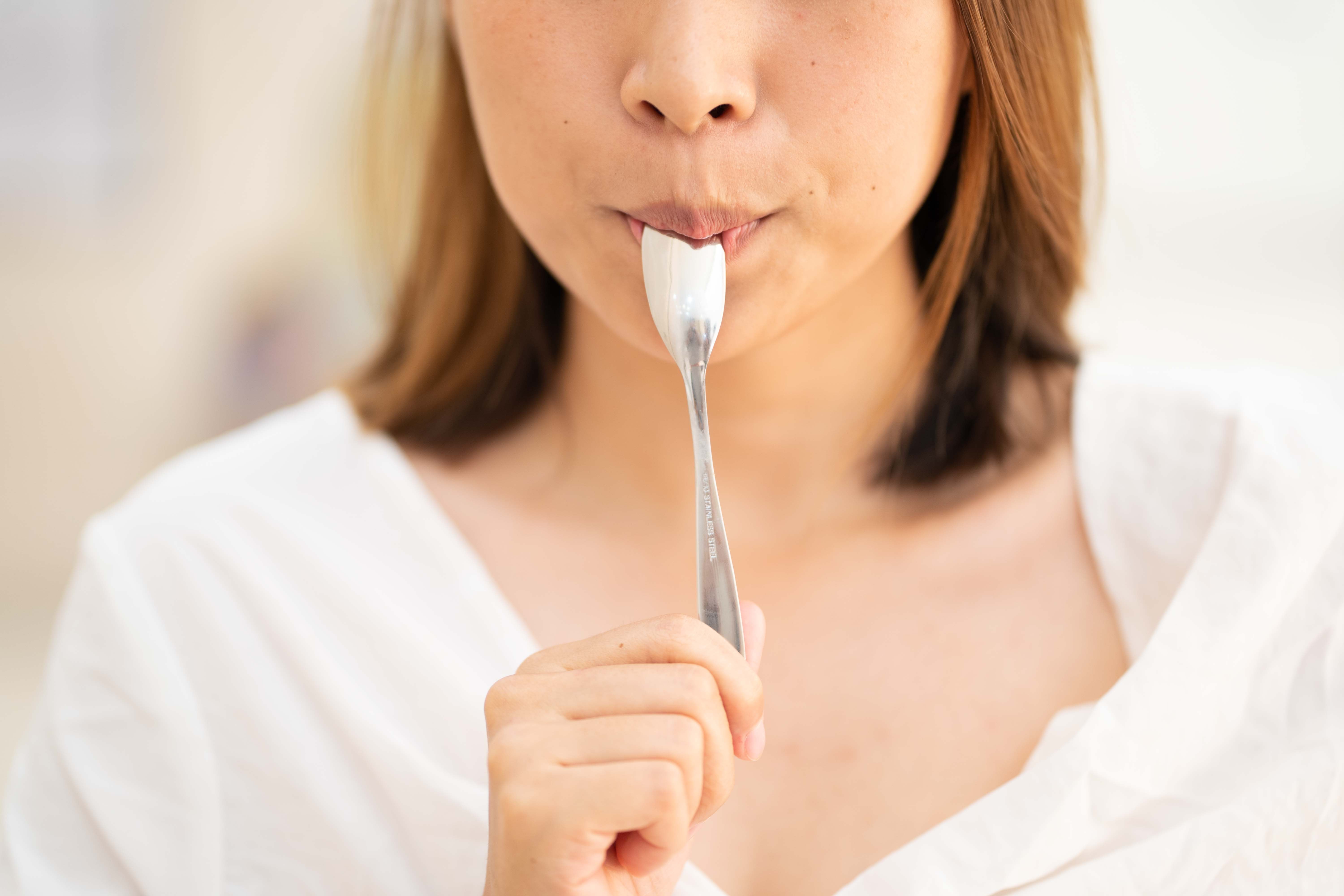
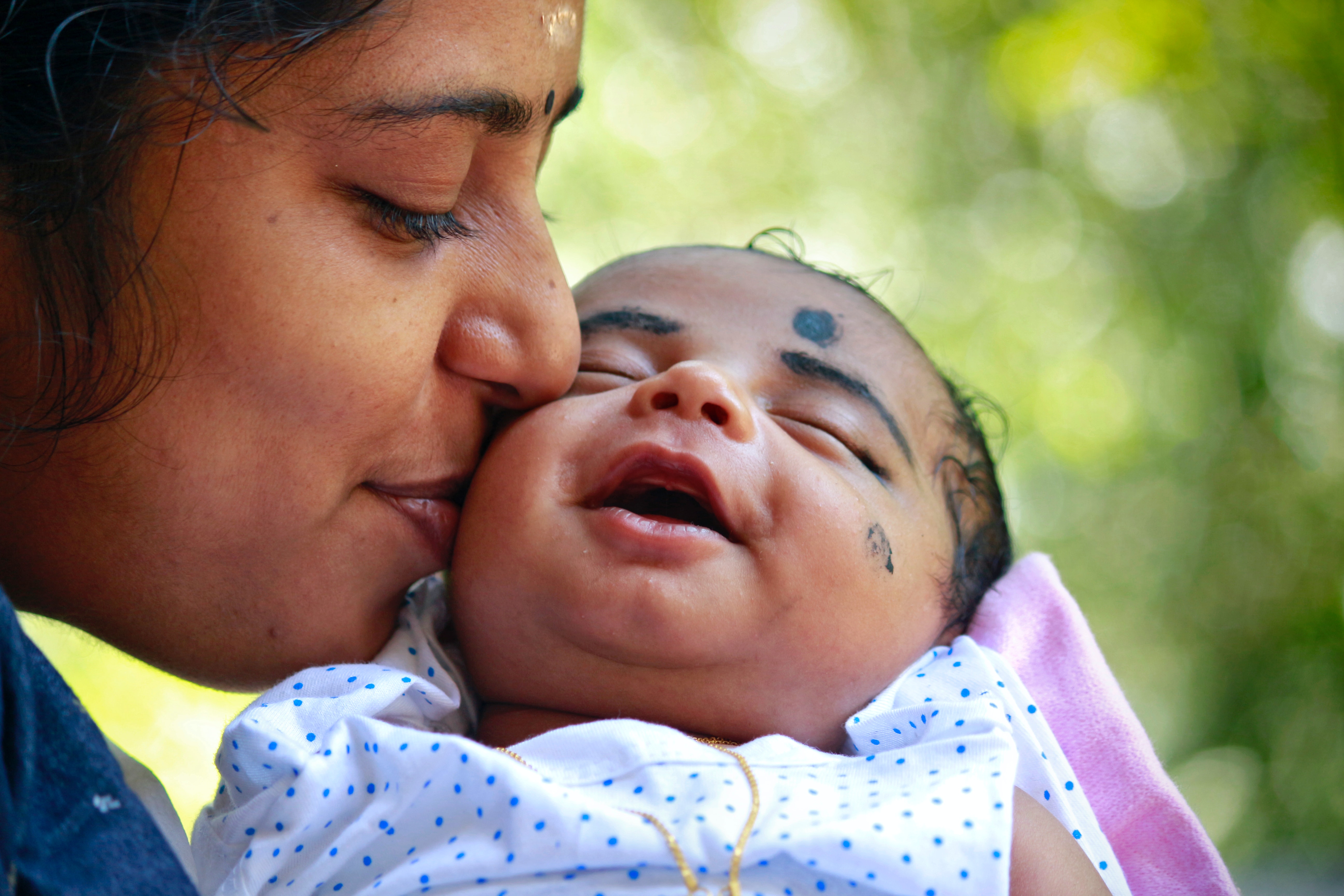
If you have cavities, then you also have the bacteria in your mouth that causes them. These bacteria can be passed from your mouth to your baby’s mouth and increase their risk of having cavities. Think giving kisses, licking spoons, and licking pacifiers.
Oral health is always a work in progress, so think about your own healthy smile early on.

Tip 2 Take care of your baby’s teeth before they come into their mouth.
Whether you bottle feed, breast feed, or a combination of both, what’s important is that you wipe your baby’s gums and lips after each feeding and before naps and bedtime. Their mouth is a warm moist place, the milk (or formula) contains sugar, and bacteria love both so they can grow.
When wiping your baby’s gums and lips use a soft lightly wet washcloth. Gently go over their top and bottom gum pads and gingerly move their lips so you have their gums in full view (this is called – Lift the Lip). Then wipe their lips from the inside to the outside.




Tip 3 Don’t let your child fall asleep with a bottle or while breast feeding.
Of course this can happen and the milk bubbles they make with their lips is so adorable. While this looks super cute the sugar in the milk helps to cause cavities (which are not so cute). Even with your best efforts to avoid this, if it does happen, wipe their gum pads and lips with a soft damp washcloth.
Keep extra washcloths at the ready in a separate compartment of your diaper bag so if this happens when you’re out and about you’ll be prepared.

Tip 4 What to do when your baby starts teething.
Baby’s can start teething when they are between 4 and 6 months old. Some baby’s can be older and some can be younger. You can rub their gums with your clean fingers or with a cool washcloth that you hold.
It’s a good idea to stay away from those liquid teething medicines (since they can burn their tender gums), teething rings, teething beads and teething necklaces.
Teething itself doesn’t cause a fever or diarrhea. Check with your Pediatrician if your baby develops a fever, diarrhea, or looks sick.


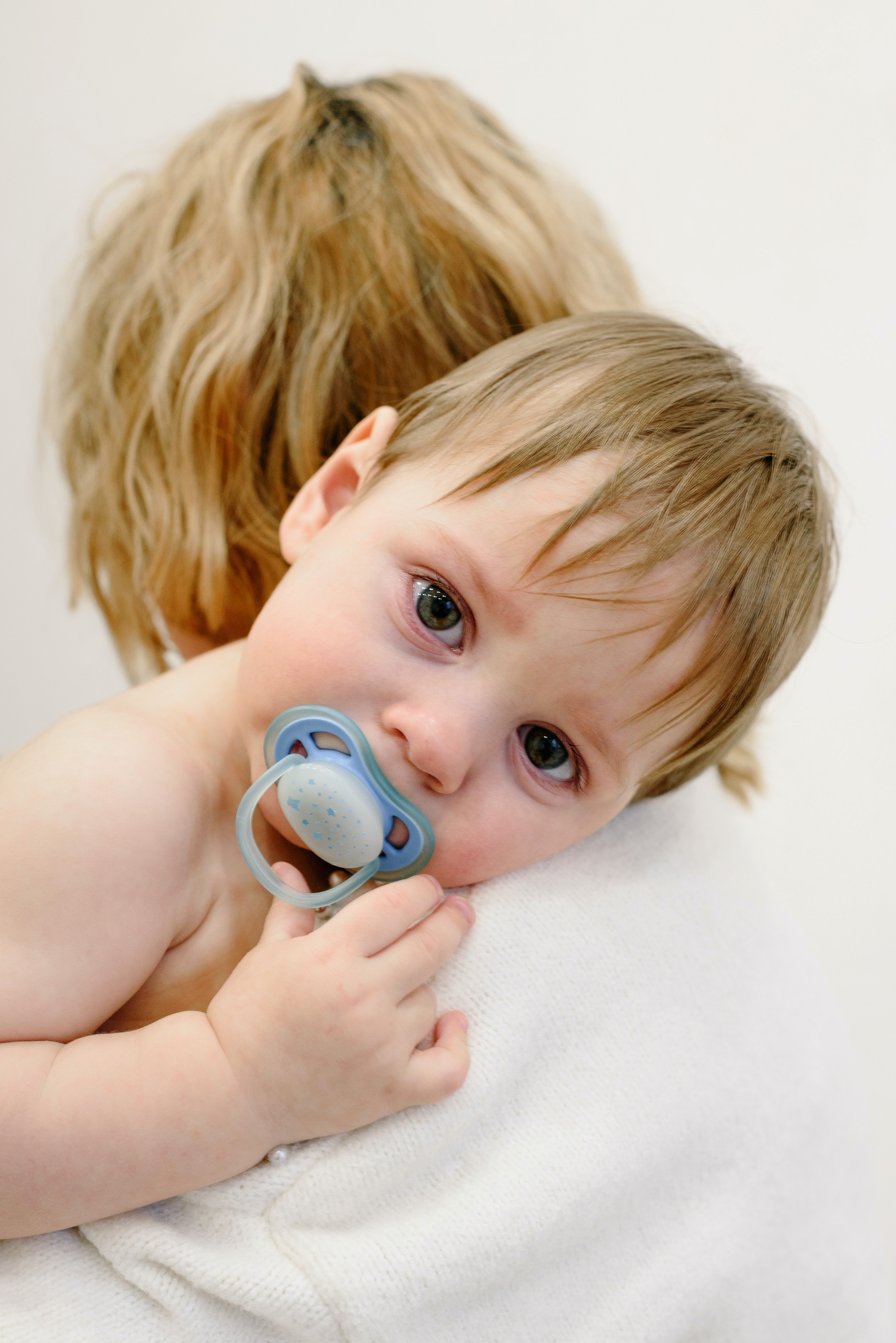
Tip 5 Baby Teeth are important.
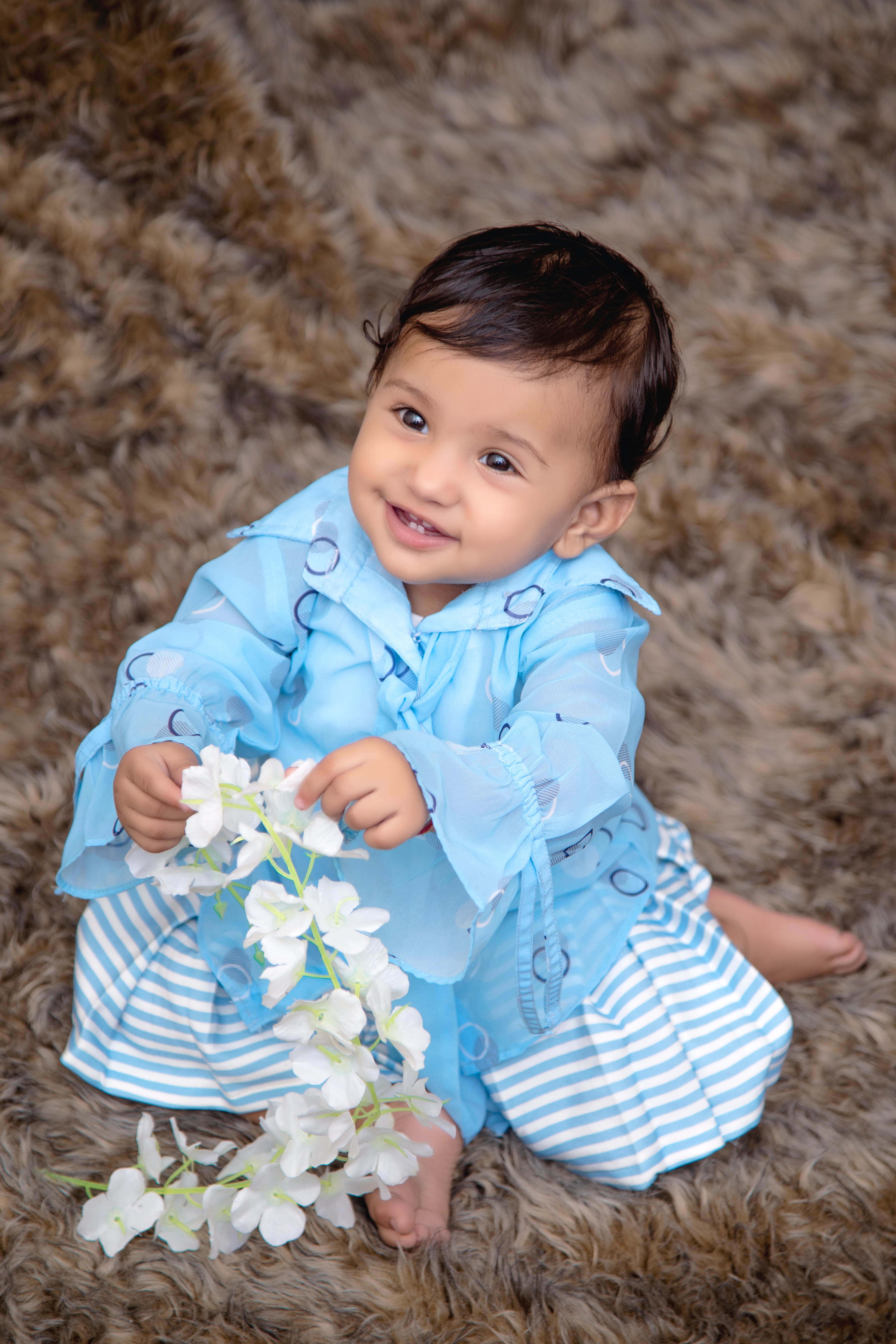
Not all baby teeth are the same. Some teeth go to the tooth fairy when your child is much older, like 13 to 15 years old.
Baby teeth allow your child to chew their food and speak clearly. Very importantly they provide the place for adult teeth to grow in healthy and in proper position.




Remember, your oral health matters. A healthy mouth for mommy and daddy means a healthy start for your baby.
Tell us some of your tooth care tips –
Send us an email at kidstoothhotline@protonmail.com or Message us and Like us on Facebook at www.facebook.com/kidstoothhotline
More tips? We have lots. We’re here just for kids!

 kidstoothhotline